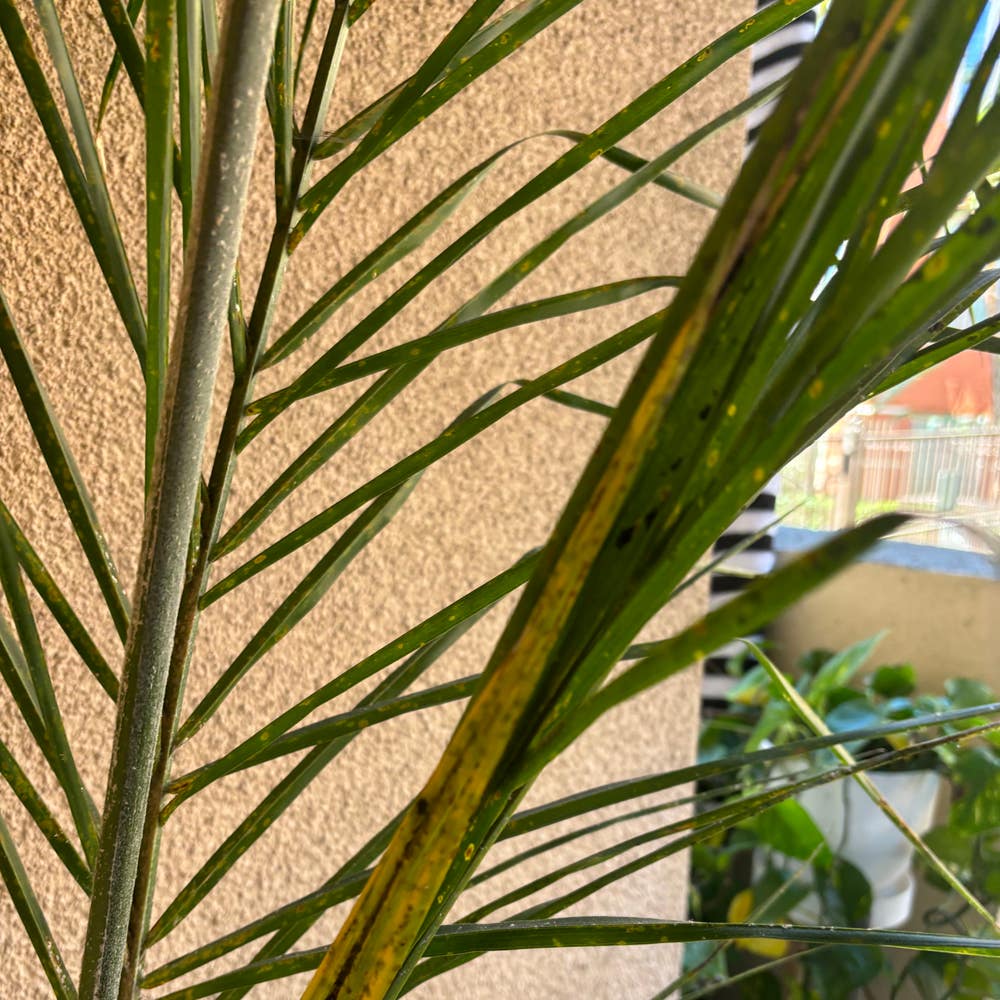
Ultimate Guide to Coco Palm Roots 🥥
Syagrus cocoides
By the Greg Editorial Team
Nov 23, 2024•6 min read
This article was created with the help of AI so we can cover more plants for you. May contain errors. See one? Report it here.
Master Coco palm care 🌴 by understanding their unique root system for vibrant growth and resilience in any environment!
- 🌱 Coco palms have fibrous roots that absorb nutrients and stabilize against storms.
- 💧 Prevent root rot by ensuring proper drainage and allowing soil to dry slightly.
- 🌿 Healthy roots indicate plant vigor; monitor for yellowing leaves and stunted growth.
Characteristics of the Root System
Type of Root System 🌱
Coco palms boast a fibrous root system characterized by an extensive network of thin roots that spread horizontally. This adaptability allows them to thrive in various soil conditions, optimizing nutrient and water absorption.
Specific Characteristics 🌳
The fibrous roots provide remarkable stability, anchoring the plant securely in sandy or loose soils. This feature enhances the palm's resilience against strong winds and storms, making it a robust choice for coastal areas.
However, these roots are sensitive to overwatering. Proper drainage is crucial to prevent root rot, ensuring the health and longevity of your Coco palm.
With a solid understanding of the root system's characteristics, you can better care for your Coco palm and ensure it thrives in its environment. Next, let’s explore the root depth and spread to further understand how these roots function beneath the surface.
Root Depth and Spread
Typical Root Depth 🌱
Coco palms typically develop a root depth of 3 to 6 feet (0.9 to 1.8 meters). This depth can vary based on several factors, including soil type, moisture availability, and environmental conditions.
Factors Influencing Root Depth 🌍
The type of soil plays a crucial role in determining how deep the roots will grow. Well-draining sandy soils may encourage deeper roots, while compacted or clay-heavy soils can restrict growth.
Growth Patterns and Spread 🌳
Coco palm roots are known for their impressive horizontal spread. They can extend up to 25 feet (7.6 meters) from the trunk, creating a vast network that supports the plant.
Initial Growth and Maturation 🌿
Young coco palms exhibit rapid initial growth, establishing their root systems quickly. As the plant matures, growth stabilizes, allowing it to focus on strengthening its existing roots.
Understanding the root depth and spread of coco palms is essential for proper care and maintenance. This knowledge helps ensure that these beautiful trees thrive in their environments, setting the stage for healthy growth and resilience.
Watering and Fertilizing
Root System and Watering Needs 🌱
Coco palms thrive when their roots are well cared for, making proper watering essential. It's crucial to allow the soil to dry slightly between waterings to promote healthy root development.
Overwatering can lead to root rot, while underwatering may cause stress to the plant. Watch for signs like yellowing leaves or wilting, which indicate that adjustments are needed in your watering routine.
Fertilization Techniques 🌿
To keep your Coco palm flourishing, a monthly fertilization schedule during the growing season is recommended. Using a balanced fertilizer will provide the necessary nutrients for robust root health.
Opt for slow-release fertilizers, as they gradually nourish the roots over time. This approach supports sustained growth and vitality, ensuring your palm remains a vibrant part of your landscape.
With proper watering and fertilizing, your Coco palm will not only survive but thrive, setting the stage for the next topic on common root-related issues.
Common Root-Related Issues
🦠 Identifying Root Rot and Other Diseases
Root rot is a common issue for Coco Palms, and recognizing its symptoms early can save your plant. Look for yellowing leaves, wilting, and stunted growth as key indicators of this problem.
In addition to root rot, other diseases can affect the roots of Coco Palms. Fungal infections and pests can also compromise root health, leading to similar symptoms.
🛠️ Solutions for Common Problems
Preventing root-related issues starts with proper care. Ensure your Coco Palm has adequate drainage to avoid waterlogged conditions, which are a breeding ground for rot.
If you do encounter problems, act quickly. Remove any diseased roots and repot your plant in fresh, well-draining soil to promote recovery. This proactive approach can help restore your Coco Palm's health and vitality.
By staying vigilant and addressing these common root issues, you can ensure your Coco Palm thrives. Next, let’s explore how to assess root health through visual cues and other indicators.
Indicators of Root Health
👀 Visual Cues of Healthy vs. Unhealthy Roots
Healthy roots are a sight to behold. They exhibit a firm texture, showcasing a white or light tan color, and possess a robust, fibrous structure that indicates vitality.
In contrast, unhealthy roots tell a different story. Dark, mushy, or foul-smelling roots are clear signs of rot, signaling that immediate action is needed to save your plant.
📊 Other Indicators
Beyond root appearance, overall plant vigor is a crucial indicator of health. Look for vibrant leaf color, steady growth rates, and the plant's ability to withstand stress factors like drought or pests.
Soil moisture levels also play a significant role. Effective drainage is essential; if the soil remains soggy, it can lead to root issues, impacting the plant's overall health.
By keeping an eye on these indicators, you can ensure your Coco Palm thrives and flourishes. Understanding these signs not only helps in maintaining root health but also enhances your gardening experience.
Rootbound Plants
Definition and Recognition 🌱
Rootbound plants experience a specific condition where their roots grow in circles within the pot. This growth pattern restricts the plant's ability to absorb nutrients and water effectively.
Signs of Rootbound Plants 👀
You can identify rootbound plants by several telltale signs. Look for stunted growth, roots pushing out of drainage holes, and poor water absorption, all indicating that the plant is struggling for space.
Steps to Address Rootbound Conditions 🛠️
If you suspect your Coco Palm is rootbound, follow these steps to help it thrive again:
- Assess the plant's growth and root condition. Check for signs of distress or limited growth.
- Carefully remove the plant from its pot. Gently loosen the soil around the edges to avoid damaging the roots.
- Trim circling roots and loosen tightly bound areas. This encourages new growth and prevents future rootbound issues.
- Repot in a larger container with fresh soil. Choose a pot that allows for further root expansion, ensuring the plant has room to grow.
By addressing rootbound conditions promptly, you can revitalize your Coco Palm and promote healthy growth. This proactive approach not only enhances the plant's vitality but also enriches your gardening experience.
Next, let’s explore the importance of root health in propagation and division, ensuring your plants continue to flourish.
Propagation and Division
Importance of Root Health 🌱
Healthy roots are the backbone of successful propagation. They ensure vigorous growth and help new plants establish themselves quickly in their new environment.
Techniques for Effective Division ✂️
To effectively divide your Coco Palm, timing is crucial. Aim for early spring or late summer when the plant is actively growing.
Tools for the Job
Use a clean, sharp spade or knife to cut through the roots. This minimizes damage and promotes quicker recovery.
Aftercare Essentials
Once divided, provide proper aftercare. Water the new plants thoroughly and consider fertilizing to support their recovery and growth.
By following these techniques, you can ensure that your propagation efforts yield thriving new plants. This not only enhances your garden but also deepens your connection to these beautiful palms.
Next, let’s explore how to recognize and address rootbound conditions, ensuring your plants continue to flourish.
⚠️ Safety First
This content is for general information and may contain errors, omissions, or outdated details. It is not medical, veterinary advice, or an endorsement of therapeutic claims.
Always consult a qualified healthcare professional before using any plant as food, medicine, or supplement.
Never eat any plant (or feed one to pets) without confirming its identity with at least two trusted sources.
If you suspect poisoning, call Poison Control (800) 222-1222, the Pet Poison Helpline (800) 213-6680, or your local emergency service immediately.
Spotted an error? Please report it here.
Unlock the secret to thriving coco palms 🌴 by using Greg's tailored watering alerts and fertilization tips to keep their roots healthy and strong!