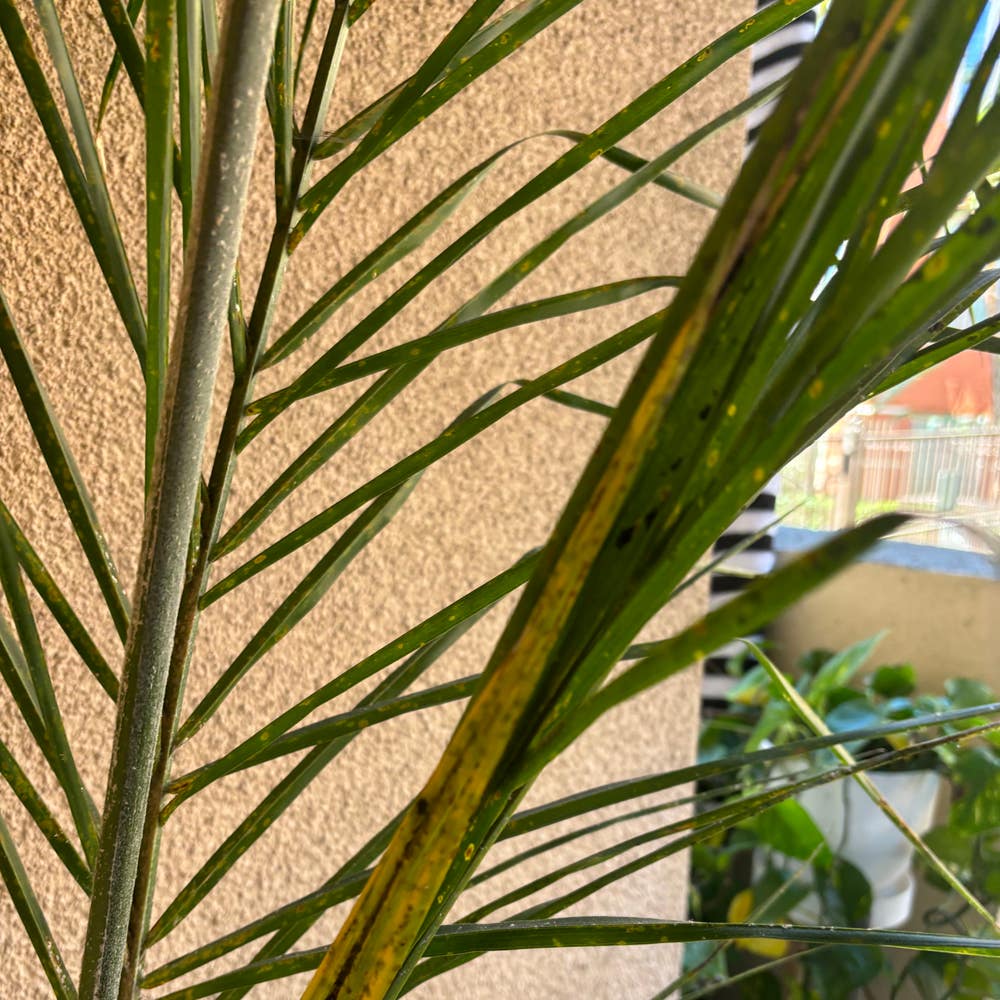
🌴 Step-by-Step Guide to Choosing Soil for Coco Palm
Syagrus cocoides
By the Greg Editorial Team
Nov 23, 2024•6 min read
This article was created with the help of AI so we can cover more plants for you. May contain errors. See one? Report it here.
Master the art of soil care 🌱 to ensure your coco palm thrives and flourishes in any environment!
- 🌱 Choosing the right soil is crucial for healthy coco palm growth.
- 💧 Coconut coir offers excellent moisture retention and aeration for coco palms.
- 🔍 Regular soil checks prevent issues like compaction and root rot.
Soil Requirements for Coco Palm
Ideal Soil Composition 🌱
Choosing the right soil for your coco palm is crucial for its health and growth. The ideal soil should be well-draining yet moisture-retentive, striking a balance that allows roots to breathe while retaining essential moisture.
Recommended Soil Types
When it comes to soil types, two popular options stand out:
Peat-based mixes: These are often favored for their ability to retain moisture. However, they can be heavy and may lead to compaction over time, which can hinder root growth.
Coconut coir: This is an excellent choice for coco palms. It offers superior moisture retention and aeration, making it a fantastic medium for healthy root development.
Importance of Drainage and Aeration in Soil 🚰
Proper drainage and aeration are vital for preventing root rot, a common issue in overly saturated soils. Good aeration supports healthy root growth, allowing your coco palm to thrive.
By ensuring your soil has these characteristics, you set the stage for a flourishing plant. Next, let’s explore how to identify and resolve unhealthy soil conditions that could hinder your coco palm’s growth.
Identifying and Resolving Unhealthy Soil
Signs of Unhealthy Soil 🌱
Recognizing unhealthy soil is crucial for the well-being of your coco palm. One of the first signs to look for is moldy soil, which can indicate excessive moisture and poor air circulation. This not only affects the plant's health but can also lead to root rot.
Another common issue is compaction. When soil becomes too dense, it restricts root growth and limits the plant's access to essential nutrients. Symptoms of compaction include slow growth and a lack of vigor in your coco palm.
Keep an eye out for foul odors, which can signal anaerobic conditions in the soil. Poor drainage is another red flag; if water pools on the surface after watering, your soil may not be draining properly. Lastly, stunted growth is a clear indicator that something is off with your soil.
Solutions for Unhealthy Soil 🛠️
If you identify unhealthy soil, don't panic—there are effective solutions. Amending soil is a great first step. You can improve soil health by incorporating organic matter, such as compost or well-rotted manure, which enhances nutrient content and drainage.
In some cases, you may need to consider replacing the soil entirely. This is especially true if the soil is heavily compacted or contaminated. When replacing soil, ensure you remove the old soil completely and replace it with a fresh, well-draining mix.
To prevent unhealthy soil conditions in the future, adopt best practices. Regularly check moisture levels, avoid overwatering, and ensure proper drainage. Additionally, rotating your coco palm with other plants can help maintain soil health and prevent nutrient depletion.
By staying vigilant and proactive, you can ensure your coco palm thrives in a healthy soil environment. Next, let’s explore the ideal soil pH for your coco palm and how it impacts overall plant health.
Soil pH for Coco Palm
Ideal pH Range 🌱
Coco palms thrive in slightly acidic to neutral soil, ideally within a pH range of 6.0 to 7.0. This pH level is crucial as it directly influences nutrient availability and overall root health.
When the pH is balanced, your coco palm can efficiently absorb essential nutrients. An improper pH can lead to nutrient deficiencies, stunted growth, and even plant stress.
How to Test and Adjust Soil pH 🔍
Testing your soil's pH is straightforward. You can choose between DIY kits, which are user-friendly and cost-effective, or opt for professional testing for more precise results.
If you find your soil's pH needs adjusting, there are simple amendments to consider. Use lime to raise the pH or sulfur to lower it, depending on your needs.
Timing is key when adjusting pH. It's best to test and amend your soil at the beginning of the growing season, allowing your coco palm to benefit from the changes as it grows.
Regular monitoring of soil pH will help maintain optimal conditions for your coco palm. This proactive approach ensures your plant remains healthy and vibrant.
With a solid understanding of soil pH, you're well on your way to nurturing a thriving coco palm. Next, let’s explore how to create a homemade soil mix tailored for your palm's needs.
Creating a Homemade Soil Mix
Creating the perfect soil mix for your coco palm can be a rewarding experience. With the right ingredients and ratios, you can ensure your plant thrives.
📝 Step-by-Step Guide
Gather Materials: Start with coconut coir, perlite, and compost. These components are essential for a well-balanced mix.
Measure Ingredients: Use the recommended ratios for optimal results. Precision in measurement will lead to a healthier soil environment.
Mixing Process: Combine the ingredients thoroughly. This ensures that each component is evenly distributed, promoting consistent moisture retention and aeration.
📊 Recommended Ingredients and Ratios
For a successful homemade soil mix, consider the following ratios:
- 50% Coconut Coir: This provides excellent moisture retention and aeration.
- 30% Perlite: Enhances drainage and prevents soil compaction.
- 20% Compost: Adds essential nutrients to support growth.
Adjust these ratios based on your specific growing conditions. For instance, if your environment is particularly humid, you might increase perlite to improve drainage.
Creating your own soil mix not only saves money but also allows you to customize the blend to meet your coco palm's needs. With the right mix, your plant will flourish, setting the stage for a vibrant indoor oasis.
Next, let’s explore how to maintain the soil for your coco palm to ensure it remains healthy and supportive.
Soil Maintenance for Coco Palm
Regular Soil Checks and Maintenance Tips 🌱
Maintaining healthy soil is crucial for the vitality of your coco palm. Aim to inspect the soil monthly to catch any issues early.
Look for signs that indicate the need for maintenance, such as unusual odors, poor drainage, or visible mold. These can signal that your soil needs attention.
When to Repot and Refresh Soil 🌿
Repotting your coco palm is essential when you notice signs of being root-bound or if the soil appears degraded. Roots that are tightly packed or growing out of drainage holes are clear indicators that it's time for a change.
Best practices for repotting include choosing the right time—preferably during the growing season—and using fresh, nutrient-rich soil. This ensures your palm has the best chance to thrive in its new environment.
Seasonal Considerations for Soil Care ☀️
Adjust your soil care practices with the changing seasons to keep your coco palm healthy. In warmer months, you may need to water more frequently, while cooler months might require less moisture.
Monitoring moisture levels is especially important during different weather conditions. Too much or too little water can lead to unhealthy soil, so stay vigilant and adjust your care routine accordingly.
By keeping a close eye on your soil and adapting to seasonal changes, you can ensure your coco palm remains vibrant and healthy. Next, let’s explore the ideal pH range for your palm’s soil to maximize its growth potential.
⚠️ Safety First
This content is for general information and may contain errors, omissions, or outdated details. It is not medical, veterinary advice, or an endorsement of therapeutic claims.
Always consult a qualified healthcare professional before using any plant as food, medicine, or supplement.
Never eat any plant (or feed one to pets) without confirming its identity with at least two trusted sources.
If you suspect poisoning, call Poison Control (800) 222-1222, the Pet Poison Helpline (800) 213-6680, or your local emergency service immediately.
Spotted an error? Please report it here.
Nurture your coco palm with customized soil care 🌱 from Greg, ensuring it thrives in the perfect mix for vibrant growth and health!