Optimal Temperature for Your Coco Palm 🌴
Syagrus cocoides
By the Greg Editorial Team
Nov 23, 2024•5 min read
This article was created with the help of AI so we can cover more plants for you. May contain errors. See one? Report it here.
Master the ideal temperature for your Coco Palm 🌴 to keep it thriving and stress-free! 🌡️
- 🌡️ Coco Palms thrive best between 70°F to 90°F for optimal growth.
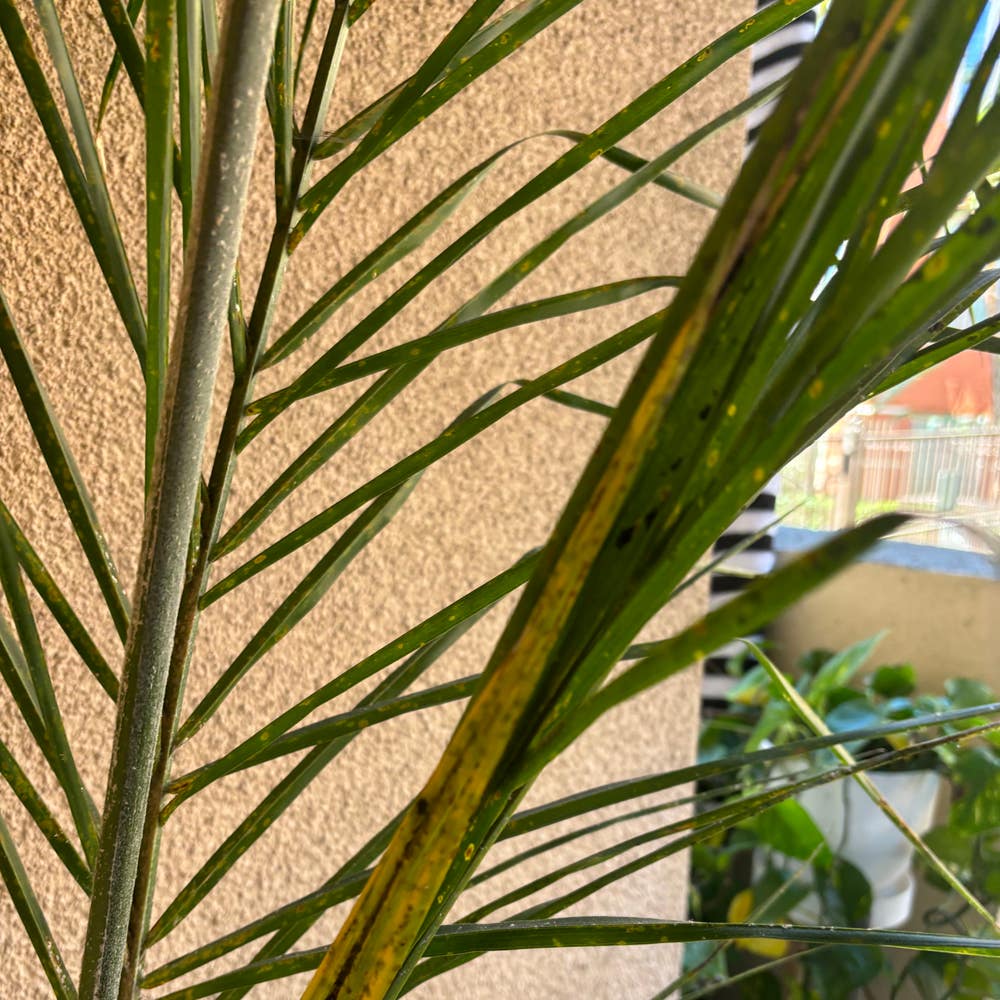
- ❄️ Cold stress occurs below 50°F, causing yellowing leaves and slow growth.
- 🔥 Temperatures over 95°F lead to heat stress, resulting in leaf burn and wilting.
Ideal Temperature Range
Optimal Temperature Range 🌡️
The Coco Palm thrives in a preferred temperature range of 70°F to 90°F (21°C to 32°C). Consistent temperatures within this range are crucial for promoting healthy growth and vitality.
Cold Tolerance ❄️
While the Coco Palm can tolerate temperatures as low as 30°F (-1°C) for short periods, caution is necessary. Prolonged exposure to temperatures below 50°F (10°C) can lead to significant stress and damage, impacting the plant's health.
Heat Tolerance 🔥
On the flip side, the Coco Palm can experience stress when temperatures exceed 95°F (35°C). Maintaining stable temperatures is essential, as fluctuations outside the ideal range can hinder growth and lead to various health issues.
Understanding these temperature tolerances is vital for any Coco Palm enthusiast. By providing the right conditions, you can ensure your palm flourishes beautifully.
Next, let’s explore the symptoms of temperature stress that can affect your Coco Palm.
Temperature Stress Symptoms
Signs of Heat Stress 🌡️
Heat stress can be a real challenge for your Coco Palm. One of the first signs is leaf burn, where the fronds develop browning and crispy edges, indicating they’re struggling.
Another symptom is wilting. When leaves droop and lose their turgor pressure, it’s a clear signal that your palm is feeling the heat. Additionally, you might notice stunted growth, with reduced new leaf production and a slower overall growth rate.
Signs of Cold Stress ❄️
On the flip side, cold stress presents its own set of symptoms. Yellowing leaves are a common indicator, as leaves may turn yellow and drop prematurely when temperatures dip too low.
You might also see browning tips on the fronds, which can indicate that the plant is not happy with the cold. Lastly, a slow growth rate during cooler months is a telltale sign that your Coco Palm is experiencing stress from the chill.
Recognizing these symptoms early can help you take action to protect your plant. By understanding how temperature affects your Coco Palm, you can ensure it thrives in the right conditions.
Next, let’s explore the causes of temperature stress and how to mitigate these challenges effectively.
Causes of Temperature Stress
🌡️ Environmental Factors
Temperature stress in Coco Palms often arises from environmental conditions. Sudden temperature fluctuations can shock the plant, leading to visible distress.
Prolonged exposure to extreme temperatures can overwhelm the Coco Palm's natural tolerance. Whether it's sweltering heat or unexpected cold, these conditions can significantly impact its health.
🍂 Seasonal Changes
Understanding seasonal temperature variations is crucial for proper Coco Palm care. As seasons change, so do the temperature needs of your plant.
During winter, Coco Palms may enter a state of dormancy due to cooler temperatures. This dormancy can slow growth and affect overall vitality, making it essential to monitor conditions closely.
By recognizing these causes of temperature stress, you can better prepare your Coco Palm for the challenges of its environment. This knowledge will help you implement effective care strategies as we move into the next section on geographic considerations.
Geographic Considerations
🌴 Native Habitat
Coco Palms thrive in coastal areas where warm temperatures are the norm. These regions provide a stable environment, allowing the palms to flourish within their preferred temperature range.
🌡️ Temperature Characteristics
In their native habitats, temperatures typically hover around the ideal range of 70°F to 90°F (21°C to 32°C). This consistency is crucial for the health and vitality of Coco Palms, ensuring they grow robustly.
🗺️ Recommended Growing Zones
When considering where to plant your Coco Palm, look to USDA hardiness zones 10-11. These zones offer the warm climate that Coco Palms crave, making them the perfect choice for outdoor planting.
🌞 Considerations for Outdoor Planting
Before planting, ensure your local climate aligns with the temperature needs of Coco Palms. This alignment will help you avoid the stress that comes from temperature extremes, allowing your palm to thrive in its new home.
Understanding these geographic considerations is essential for successful Coco Palm cultivation. With the right environment, your palm can grow beautifully and bring a touch of tropical elegance to your space.
Temperature Management Strategies
Protecting from Extreme Temperatures 🌡️
Coco Palms thrive in warm environments, but extreme temperatures can pose a challenge. To shield your palm from excessive heat, consider using shade cloth or planting nearby trees that can provide natural cover.
When cold snaps occur, frost protection becomes essential. Cover your Coco Palm with frost cloth or, if possible, move it indoors to prevent damage from freezing temperatures.
Adjusting Care Based on Seasonal Changes 🍂
Monitoring temperature is crucial for maintaining a healthy Coco Palm. Regularly check for fluctuations and adjust your care routine accordingly to keep your plant thriving.
As the seasons change, so should your care strategies. Modify watering and fertilization practices based on temperature variations to support the health and vitality of your Coco Palm throughout the year.
With these temperature management strategies, you can ensure your Coco Palm remains vibrant and resilient, ready to flourish in its ideal environment.
⚠️ Safety First
This content is for general information and may contain errors, omissions, or outdated details. It is not medical, veterinary advice, or an endorsement of therapeutic claims.
Always consult a qualified healthcare professional before using any plant as food, medicine, or supplement.
Never eat any plant (or feed one to pets) without confirming its identity with at least two trusted sources.
If you suspect poisoning, call Poison Control (800) 222-1222, the Pet Poison Helpline (800) 213-6680, or your local emergency service immediately.
Spotted an error? Please report it here.
Keep your Coco Palm thriving 🌴 by using Greg's tailored reminders to maintain that perfect temperature range of 70°F to 90°F for optimal growth!