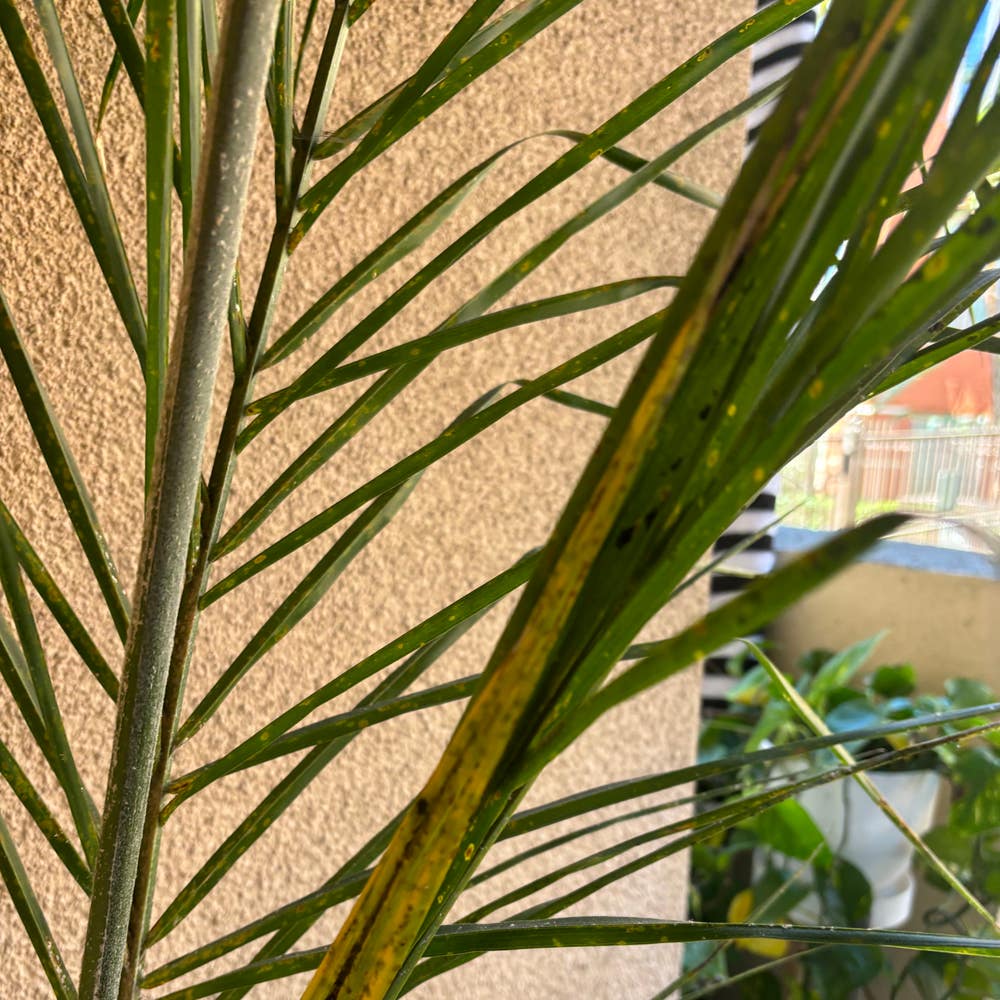
Coco Palm Is Not Considered a Weed
Syagrus cocoides
By the Greg Editorial Team
Nov 23, 2024•6 min read
This article was created with the help of AI so we can cover more plants for you. May contain errors. See one? Report it here.
Transform your garden with Coco Palm 🌴, a stunning non-invasive plant that supports local wildlife and enhances biodiversity!
- 🌴 Coco Palm is non-invasive, making it a safe choice for diverse gardens.
- 🌞 Thrives in warm, humid climates; struggles in cooler, drier areas.
- 🐦 Supports local wildlife by providing food and habitat for birds and insects.
Plant Classification
Definition of Invasive Species 🌱
Invasive species are non-native plants that aggressively spread, outcompeting local flora and disrupting ecosystems. They can wreak havoc on native habitats, leading to a decline in biodiversity.
Coco Palm's Non-Invasive Nature 🌴
Coco Palm stands out as a non-invasive species due to its moderate growth rate, which limits its spread potential. Unlike many invasive plants, it doesn't produce a high volume of seeds that can germinate in various environments.
The natural habitat of Coco Palm is typically confined to warm, humid climates. This restriction means it struggles to thrive in cooler or drier areas, further preventing it from becoming invasive.
By understanding these characteristics, gardeners can appreciate Coco Palm's role in landscaping without the fear of it overtaking their gardens. Its non-invasive nature makes it a safe and attractive choice for tropical garden designs.
As we explore the growth habits of Coco Palm, we’ll see how its unique traits contribute to its suitability in various landscapes.
Growth Habits
🌱 Typical Growth Patterns
Coco Palm stands tall with its slender trunk and a crown of feathery fronds, creating a striking silhouette. Under optimal conditions, it grows at a moderate pace, typically adding 1-2 feet in height each year.
To thrive, Coco Palm prefers well-draining soil and full sun exposure. These ideal conditions allow it to flourish, making it a beautiful addition to any tropical landscape.
🌡️ Natural Limits to Growth
This palm requires specific climatic conditions, particularly warm and humid environments, to truly thrive. Such requirements limit its spread in cooler or drier regions, ensuring it remains manageable in garden settings.
Coco Palm is not known for aggressive spreading, making it an excellent choice for controlled landscaping. Its moderate growth and specific needs allow gardeners to enjoy its beauty without the worry of it overtaking their space.
As we explore the ecological role of Coco Palm, we’ll see how it contributes positively to gardens and local ecosystems.
Ecological Role
Benefits in Gardens and Ecosystems 🌿
Coco Palm plays a vital role in supporting local wildlife. Its presence provides food and habitat for various birds and insects, creating a lively ecosystem.
The coconuts produced by Coco Palm are not just a tropical treat for humans; they also serve as a food source for many animals. This makes the Coco Palm an essential player in maintaining biodiversity.
Positive Interactions with Wildlife 🐦
One of the standout features of Coco Palm is its ability to attract beneficial pollinators. This interaction enhances biodiversity in garden settings, making them more vibrant and productive.
Additionally, the fronds of Coco Palm offer shelter for small animals and birds. This natural refuge promotes a balanced ecosystem, allowing various species to thrive together harmoniously.
Incorporating Coco Palm into your garden not only beautifies the space but also fosters a rich ecological environment. As we explore its role further, consider how these interactions can enhance your gardening experience.
Garden Management
Incorporating into Garden Designs 🌴
Coco Palm is a stunning choice for tropical garden designs. Use it as a focal point or integrate it into a mixed planting scheme for a vibrant landscape.
When planting, ensure adequate spacing between Coco Palms and other plants. This allows them to reach their full height and spread without overcrowding.
Controlling Growth for Aesthetic Purposes ✂️
To maintain the desired height and shape of your Coco Palm, regular pruning of fronds is essential. This task is moderately challenging but rewarding, as it keeps your garden looking tidy.
Additionally, keep an eye out for signs of nutrient deficiencies or pests. Monitoring these factors ensures your Coco Palm remains healthy and vibrant, contributing positively to your garden's ecosystem.
With proper management, Coco Palms can thrive beautifully in your garden, enhancing both its aesthetic appeal and ecological balance.
Comparison to Other Plants
🌴 Similar Non-Invasive Plants
When considering tropical landscaping, the Coco Palm stands out alongside other non-invasive plants like the Royal Palm and Date Palm. While all three share a tropical vibe, they differ in growth habits and ecological contributions.
The Royal Palm grows taller and has a more robust trunk, making it a striking centerpiece. In contrast, the Date Palm is known for its sweet fruit and slightly slower growth rate. The Coco Palm, however, is unique for its moderate growth and ability to produce coconuts, providing both aesthetic appeal and practical benefits.
🌺 Unique Qualities in Garden Settings
Coco Palms are not just beautiful; they thrive in tropical climates, making them a favorite for landscaping projects. Their slender trunks and feathery fronds create a relaxed atmosphere, perfect for any garden.
Moreover, their non-invasive nature allows them to blend seamlessly into diverse garden designs. This quality ensures that Coco Palms can coexist with other plants without overwhelming them, promoting a balanced and harmonious landscape.
Incorporating Coco Palms into your garden can elevate its beauty while supporting local wildlife. Their presence not only enhances visual appeal but also contributes to a thriving ecosystem, making them a smart choice for eco-conscious gardeners.
As we explore the next section, we'll delve into the legal and environmental considerations surrounding Coco Palm cultivation.
Legal and Environmental Considerations
📜 Relevant Classifications or Guidelines
When considering planting Coco Palm, it's essential to check local regulations. Some regions may have specific guidelines regarding non-native species to protect local ecosystems.
These regulations can vary widely, so it's wise to consult local horticultural societies or environmental agencies. Understanding these rules helps ensure that your gardening choices support local biodiversity rather than disrupt it.
🌱 Role in Sustainable Gardening Practices
Coco Palm plays a significant role in sustainable gardening. It provides essential habitat for wildlife, including birds and beneficial insects, enhancing the overall biodiversity of your garden.
Moreover, Coco Palm's low maintenance requirements make it an eco-friendly option. Gardeners can enjoy its beauty without the burden of excessive care, allowing for a more sustainable approach to landscaping.
Incorporating Coco Palm into your garden not only beautifies your space but also contributes positively to the environment. This makes it an excellent choice for those looking to create a thriving, eco-conscious garden.
As we explore the next section, we'll delve into how to effectively incorporate Coco Palm into your garden designs for maximum impact.
⚠️ Safety First
This content is for general information and may contain errors, omissions, or outdated details. It is not medical, veterinary advice, or an endorsement of therapeutic claims.
Always consult a qualified healthcare professional before using any plant as food, medicine, or supplement.
Never eat any plant (or feed one to pets) without confirming its identity with at least two trusted sources.
If you suspect poisoning, call Poison Control (800) 222-1222, the Pet Poison Helpline (800) 213-6680, or your local emergency service immediately.
Spotted an error? Please report it here.
Discover the eco-friendly charm of Coco Palm 🌴 as it beautifies your garden and supports wildlife, and let Greg provide personalized care tips to help it flourish in your unique environment!