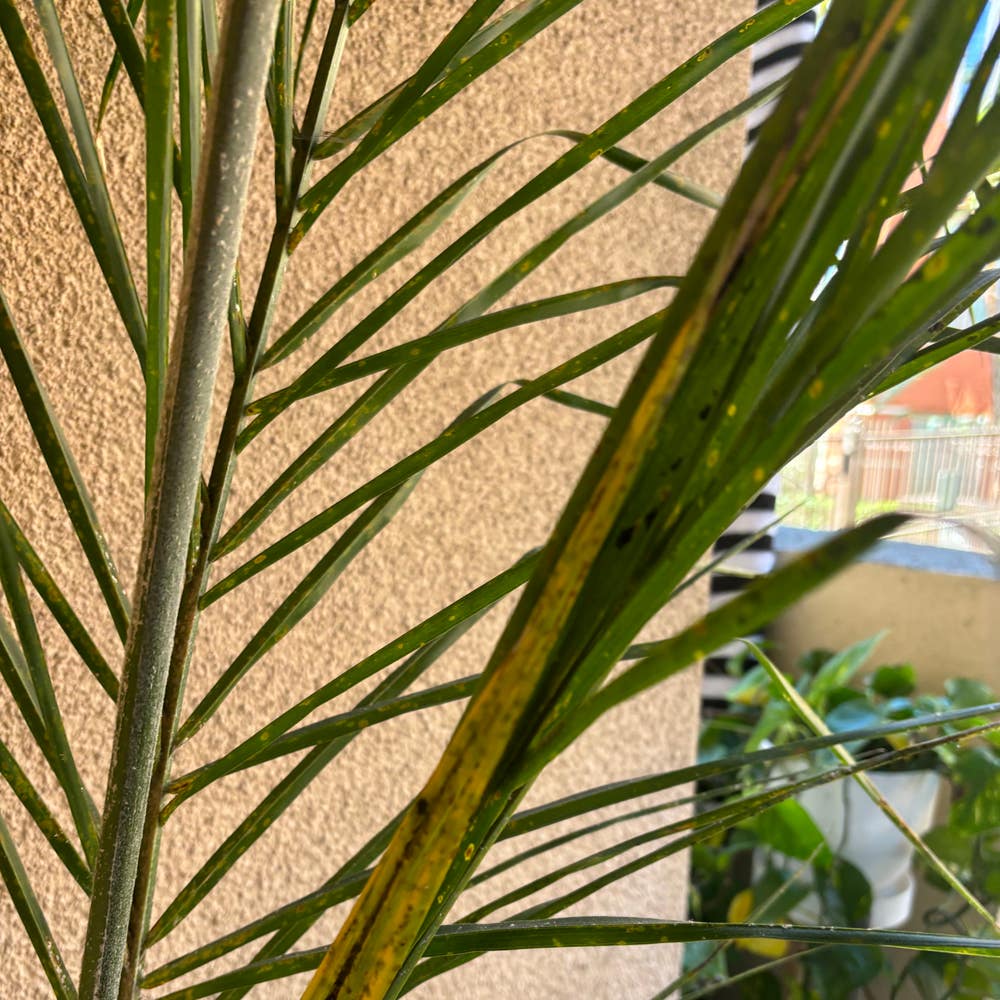
Ultimate Guide to What's Eating Your Coco Palm 🐛
Syagrus cocoides
By the Greg Editorial Team
Nov 23, 2024•6 min read
This article was created with the help of AI so we can cover more plants for you. May contain errors. See one? Report it here.
Safeguard your coco palms from pesky herbivores while fostering a vibrant garden ecosystem! 🌴🐝
- 🦌 Coco palms face threats from deer, rabbits, squirrels, and more.
- 🚫 Deterrents like repellents and fencing can protect coco palms from herbivores.
- 🌱 Regular monitoring and quick action are key to maintaining palm health.
Common Herbivores Affecting Coco Palm
🦌 Deer
Signs of presence and damage
Deer are notorious for their impact on coco palms. Look for hoof prints in muddy areas and signs of browsing, where leaves and young fronds are stripped away.
Interaction impact
Their presence is generally harmful, leading to significant plant damage and stunted growth. This can hinder the overall health of your palm.
Deterrent methods
To keep deer at bay, consider using commercial deer repellents. Alternatively, planting strong-smelling herbs around the palm can serve as an effective organic deterrent.
🐇 Rabbits
Signs of presence and damage
Rabbits leave small, round footprints and droppings, which can be a telltale sign of their presence. They often chew on fronds and young shoots, causing noticeable damage.
Interaction impact
These furry intruders can decimate young plants, making them a serious threat to your garden's health.
Deterrent methods
For easy deterrence, use rabbit repellents available in stores. You can also opt for organic methods like fencing or using predator urine to keep them away.
🐿️ Squirrels
Signs of presence and damage
Squirrels can be identified by chewing marks on fronds and fruits, along with nesting debris found at the base of the palm. Their activity can be quite disruptive.
Interaction impact
Their interaction is generally harmful, as they damage fruits and young shoots, which can affect the yield of your coco palm.
Deterrent methods
To deter squirrels, consider using squirrel repellents. Installing squirrel-proof feeders can also help divert their attention away from your palm.
🐦 Birds
Signs of presence and damage
Birds leave behind feathers and droppings around the base of the palm. Look for pecking marks on fruits and flowers, which indicate their feeding habits.
Interaction impact
Birds have a mixed impact; while some help pollinate, others may damage fruits, creating a complex relationship with your coco palm.
Deterrent methods
To manage birds, use bird deterrent sprays or hang reflective objects to scare them away. These methods can help protect your palm from unwanted pecking.
🐭 Rodents
Signs of presence and damage
Rodents can be identified by burrows near the base of the palm and gnaw marks on the trunk. Chewed roots and young shoots are clear indicators of their presence.
Interaction impact
Their interaction is generally harmful, leading to severe plant damage and potential root rot, which can be detrimental to your palm's health.
Deterrent methods
For rodent control, consider using rodent baits and traps. An organic approach includes using peppermint oil or planting mint, which can deter these pests naturally.
🦡 Groundhogs
Signs of presence and damage
Groundhogs create large burrows and flatten grass around your palm. They also chew on fronds and young shoots, causing significant damage.
Interaction impact
Their presence is generally harmful, leading to severe damage to young palms, which can stunt growth and reduce vitality.
Deterrent methods
To deter groundhogs, use commercial repellents designed for them. Installing fencing with buried edges can also be an effective, albeit harder, solution to keep them out.
As you navigate the challenges posed by these herbivores, understanding their signs and impacts is crucial. Next, we’ll explore the beneficial animals that play a positive role in the ecosystem surrounding your coco palm.
Beneficial Animals and Ecosystem Role
🐝 Description of Beneficial Animals
Coco palms aren't just vulnerable to herbivores; they also attract beneficial animals that play crucial roles in their ecosystem. Pollinators like bees and butterflies are essential for the reproduction of many plants, including the coco palm, ensuring vibrant growth and fruit production.
Birds also contribute significantly by acting as seed dispersers. They consume the fruits of the coco palm and help spread seeds across the landscape, promoting genetic diversity and the establishment of new plants.
🌍 Positive Impacts on the Ecosystem
The presence of these beneficial animals enhances pollination, leading to more fruitful coco palms and a healthier ecosystem overall. Increased biodiversity is another positive outcome, as these interactions support a variety of plant and animal life.
By fostering a balanced ecosystem, beneficial animals help maintain the health of coco palms and their surroundings. This interconnectedness highlights the importance of protecting these creatures, as they contribute to the vitality of our gardens and natural spaces.
Understanding the role of beneficial animals can inspire us to create environments that support both our plants and the wildlife that enriches them. As we move forward, let’s explore general strategies for protecting our coco palms from herbivores while nurturing these helpful allies.
General Strategies for Protection
🛡️ Preventive Measures
Regular monitoring is key to protecting your coco palm from herbivores. Keep an eye out for any signs of animal presence, such as tracks or chewed leaves.
Planting companion plants can also be a game-changer. Strong-smelling herbs like rosemary or lavender can deter many herbivores, creating a natural barrier around your palm.
⚠️ Reactive Solutions
If you notice damage, act quickly by removing the affected parts. This not only helps your palm recover but also prevents further attraction of pests.
For more persistent issues, consider using traps specifically designed for rodents and groundhogs. These can effectively reduce the population of these troublesome animals.
🌱 Seasonal Variations
Be aware that herbivore activity can spike during certain seasons. For instance, during the fruiting season, many animals are drawn to the ripe fruits, increasing the risk of damage.
Additionally, young shoots are particularly appealing in spring. This is when you should be extra vigilant, as new growth can attract a variety of herbivores looking for a tasty snack.
By implementing these strategies, you can create a protective environment for your coco palm, ensuring it thrives despite the challenges posed by herbivores. Next, let’s explore the beneficial animals that can enhance your garden's ecosystem.
Toxicity and Safety
🐾 Toxic effects on animals
Coco palms can pose mild toxicity risks to animals if consumed in large quantities. While most herbivores may experience digestive upset, the effects are generally not severe, making it essential to monitor animal interactions closely.
🦺 Implications for animal interactions and garden management
Understanding the toxicity of coco palms helps in managing your garden effectively. By being aware of these potential risks, you can take proactive measures to protect both your plants and the animals that frequent your garden.
This awareness can guide you in creating a balanced ecosystem, ensuring that beneficial animals thrive while minimizing harm to your coco palms. As you cultivate your garden, consider how these dynamics play a role in your overall strategy for plant health and animal safety.
Next, let’s explore some general strategies for protecting your coco palms from herbivores.
⚠️ Safety First
This content is for general information and may contain errors, omissions, or outdated details. It is not medical, veterinary advice, or an endorsement of therapeutic claims.
Always consult a qualified healthcare professional before using any plant as food, medicine, or supplement.
Never eat any plant (or feed one to pets) without confirming its identity with at least two trusted sources.
If you suspect poisoning, call Poison Control (800) 222-1222, the Pet Poison Helpline (800) 213-6680, or your local emergency service immediately.
Spotted an error? Please report it here.
Keep your coco palm thriving 🌴 by using Greg's custom alerts and tips to outsmart pesky herbivores and protect your plant's health!