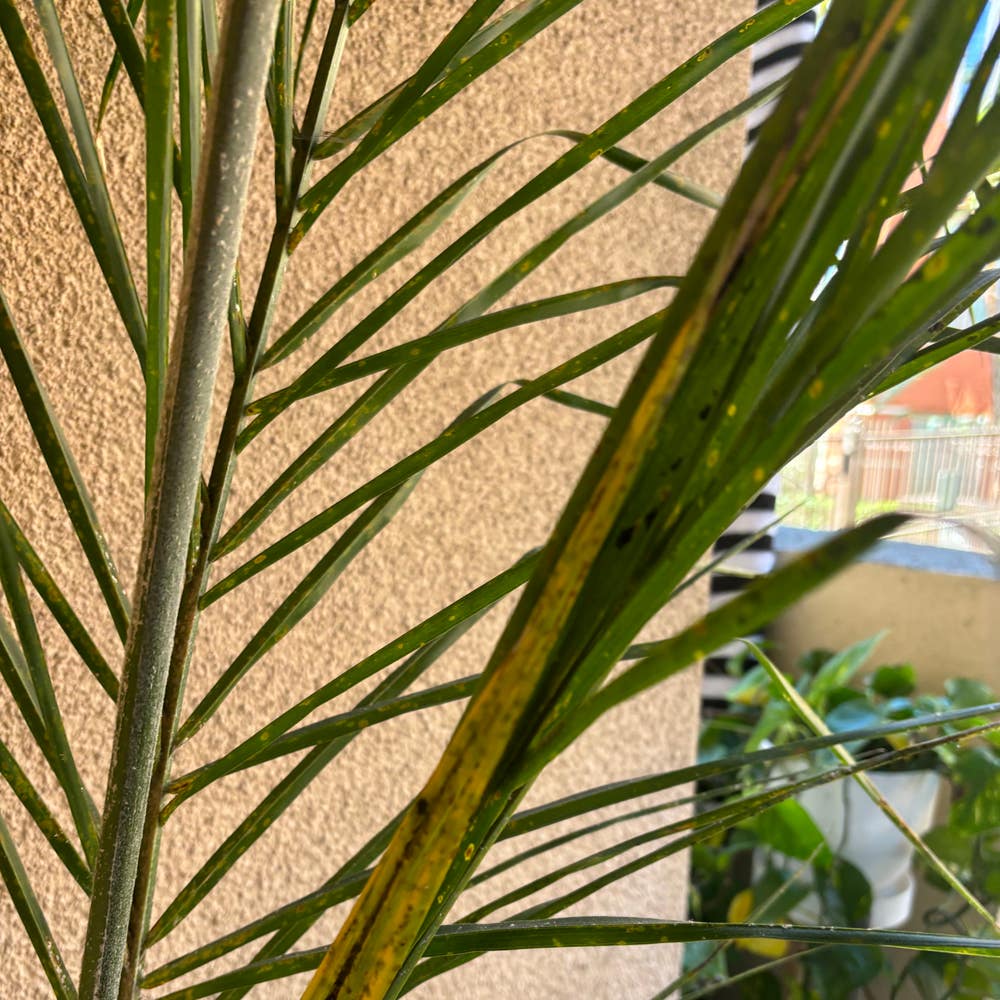
Understanding Curling Leaves on Your Coco Palm 🌴
Syagrus cocoides
By the Greg Editorial Team
Nov 23, 2024•6 min read
This article was created with the help of AI so we can cover more plants for you. May contain errors. See one? Report it here.
Revive your coco palm's vitality 🌴 by mastering simple solutions for curling leaves and ensuring its thriving health!
- 🌱 Curling leaves indicate pests, stress, or nutrient issues—inspect regularly for health.
- 💧 Proper watering and humidity are vital—allow soil to dry slightly between waterings.
- 🌞 Indirect sunlight is best—avoid direct light to prevent leaf scorch and curling.
Solutions for Curling Leaves
🌱 Step-by-Step Guide to Diagnosing the Issue
Diagnosing curling leaves on your coco palm starts with a thorough inspection. Look closely for any signs of pests or disease, such as discoloration, webbing, or sticky residue.
Next, check the environmental conditions. Temperature and humidity play crucial roles in your plant's health, so ensure they are within the ideal range for coco palms.
Assess your watering habits by evaluating how often you water and the moisture levels in the soil. Over or under-watering can lead to significant stress for your plant.
Finally, evaluate nutrient levels by considering any recent fertilization. A lack of essential nutrients can contribute to leaf curling.
🌡️ Treatment Options for Environmental Stress
To address environmental stress, start by adjusting the temperature. Maintaining a stable environment is key to keeping your coco palm healthy.
Increasing humidity can also help. Consider using a humidifier or the pebble tray method to create a more suitable atmosphere for your plant.
Proper watering techniques are essential as well. Ensure your soil drains well and that you water at appropriate intervals to prevent stress.
🐞 Pest Control Methods
When it comes to pest control, organic options are often the best first step. Neem oil is a popular choice; apply it every 7-14 days to affected areas for effective results.
Insecticidal soap is another safe option. Apply it directly to the leaves, ensuring thorough coverage to combat pests effectively.
If these methods don't work, you may need to consider chemical pest control. Use these stronger treatments as a last resort, following the manufacturer's instructions carefully.
🌿 Nutrient Supplementation Techniques
Choosing the right fertilizer is crucial for your coco palm's health. Look for a balanced NPK ratio, such as 10-10-10, to provide essential nutrients.
Application methods vary; you can use either liquid or granular fertilizers. Liquid fertilizers are often absorbed more quickly, while granular options can provide a slow-release effect.
Timing is everything when it comes to fertilization. The best times to fertilize are during the growing season, typically in spring and summer, to ensure optimal absorption.
By following these steps and treatment options, you can effectively address curling leaves on your coco palm. This proactive approach will help maintain the health and vitality of your plant, preparing you for the next section on preventative measures.
Preventative Measures
🌴 Best Practices for Coco Palm Care
Caring for your coco palm starts with regular maintenance. Pruning dead or yellowing leaves not only enhances appearance but also promotes healthy growth.
Choosing the right potting mix is crucial. Opt for a well-draining and nutrient-rich blend to support your palm's development.
💧 Ideal Watering Schedule and Techniques
Watering frequency varies with the seasons and the size of your plant. Generally, coco palms prefer to dry out slightly between waterings, so adjust accordingly.
To check soil moisture, use the finger test or a moisture meter. This ensures you’re not over or under-watering your palm.
🌫️ Maintaining Optimal Humidity Levels
Coco palms thrive in humid environments. Increase humidity by grouping plants together or using trays of water beneath your pots.
Regularly monitor humidity levels with a hygrometer. This helps you maintain the ideal conditions for your palm's health.
🕵️♂️ Regular Inspection for Pests and Diseases
Conduct weekly inspections to catch any issues early. Look for signs like discoloration, webbing, or sticky residue that may indicate pests or diseases.
Early detection is key to preventing more significant problems. Stay vigilant to keep your coco palm thriving.
These preventative measures will help ensure your coco palm remains healthy and vibrant. Next, we’ll explore seasonal considerations that can affect its care.
Seasonal Considerations
🌱 Seasonal Changes Affecting Leaf Curl
Coco palms are sensitive to seasonal shifts, which can lead to curling leaves. In winter, lower humidity and cooler temperatures can stress your plant, causing its leaves to curl inward.
Conversely, summer heat brings its own challenges. Increased temperatures mean your coco palm may require more frequent watering and some shade to prevent leaf curl from excessive sun exposure.
🔄 Adjusting Care Routines Based on Growth Cycles
Spring is a critical time for coco palms, as they enter a growth phase. This is the perfect moment to fertilize and consider repotting to give your plant room to thrive.
As fall approaches, it's essential to adjust your care routine. Reduce watering and conduct thorough pest checks to prepare your palm for the upcoming winter months.
❄️ Preparing for Seasonal Stressors
Winterizing your coco palm is vital for its survival. Protect it from drafts and cold temperatures by moving it to a more sheltered location.
During the summer, ensure your palm stays hydrated and shaded. Regularly check soil moisture and adjust your watering schedule to keep your plant healthy and vibrant.
By understanding these seasonal considerations, you can maintain the health of your coco palm throughout the year. This proactive approach will help you prevent curling leaves and promote lush growth.
Common Misconceptions
🐛 Myths About Leaf Curl
Many plant enthusiasts mistakenly believe that all leaf curling on coco palms is a direct result of pests. In reality, curling can stem from various factors, including environmental stress and improper care.
Another common myth is that overwatering is the sole culprit behind leaf curl. While excess moisture can lead to root rot, it's crucial to understand the balance between moisture and drainage to keep your palm healthy.
☀️ Clarifying the Role of Sunlight in Leaf Health
Indirect light is vital for the health of your coco palm. Direct sunlight can scorch the leaves, leading to curling and discoloration.
If you notice signs of too much light, such as leaf burn or curling, it’s time to adjust your plant's location. Providing the right light conditions can significantly improve your palm's overall vitality.
💧 Debunking Myths About Watering Frequency
Understanding your coco palm's specific needs is essential for proper care. Watering frequency should be adjusted based on environmental conditions, such as temperature and humidity levels.
Relying solely on a fixed schedule can lead to over or under-watering. Regular soil moisture checks are key to ensuring your plant receives the right amount of water, promoting healthy growth and vibrant leaves.
As you navigate these misconceptions, remember that informed care is the best way to support your coco palm's health. Next, let’s explore preventative measures to keep your plant thriving.
⚠️ Safety First
This content is for general information and may contain errors, omissions, or outdated details. It is not medical, veterinary advice, or an endorsement of therapeutic claims.
Always consult a qualified healthcare professional before using any plant as food, medicine, or supplement.
Never eat any plant (or feed one to pets) without confirming its identity with at least two trusted sources.
If you suspect poisoning, call Poison Control (800) 222-1222, the Pet Poison Helpline (800) 213-6680, or your local emergency service immediately.
Spotted an error? Please report it here.
Keep your coco palm thriving 🌱 by using Greg's tailored care tips and reminders to tackle curling leaves and maintain optimal conditions effortlessly!