6 Key Winter Strategies for Coco Palm ❄️
Syagrus cocoides
By the Greg Editorial Team
Nov 23, 2024•5 min read
This article was created with the help of AI so we can cover more plants for you. May contain errors. See one? Report it here.
Ensure your Coco Palms thrive this winter with essential care tips for frost protection and indoor growth! 🌱❄️
- ❄️ Frost protection is vital for Coco Palms to prevent winter damage.
- 🌡️ Use heat lamps or move indoors during cold snaps for optimal care.
- 💧 Adjust watering to avoid root rot; water only when the top inch is dry.
Winter Care Strategies
❄️ Frost Protection Methods
Frost protection is crucial for Coco Palms, as it prevents damage to leaves and maintains overall plant health. Implementing effective methods can make a significant difference during cold snaps.
To shield your plants, consider covering them with frost cloth or burlap on chilly nights. This simple step can provide essential insulation against freezing temperatures.
Another option is to utilize heat lamps or string lights to generate warmth around your Coco Palms. While this method requires a bit more effort, it can be quite effective in keeping your plants cozy.
If you have potted Coco Palms, moving them to sheltered areas or indoors during frost alerts is a smart strategy. This proactive approach can save your plants from potential frost damage.
💧 Adjusting Watering Schedules
As winter sets in, it's important to adjust your watering schedule for Coco Palms. With lower evaporation rates, overwatering can lead to root rot, so reducing the frequency is essential.
Watch for signs of overwatering, such as yellowing leaves and mushy roots. These indicators can help you gauge when to cut back on watering.
A good rule of thumb is to water only when the top inch of soil is dry. This simple practice can help maintain a healthy balance for your plants during the colder months.
🌱 Fertilizing in Winter
Fertilization plays a key role in supporting plant health, but it needs to be adjusted for winter conditions. Understanding how to fertilize your Coco Palms during this season can enhance their resilience.
Use a balanced, slow-release fertilizer sparingly. This approach ensures your plants receive necessary nutrients without encouraging excessive growth during dormancy.
Timing is also important; fertilize only if your Coco Palms show signs of active growth. If they appear dormant, it's best to hold off until spring.
Lastly, avoid high nitrogen fertilizers, as they can stimulate growth when your plants should be resting. By following these guidelines, you can help your Coco Palms thrive even in winter.
As you implement these winter care strategies, you'll be better prepared to support your Coco Palms through the colder months. Next, let's explore how to care for your plants indoors when temperatures drop.
Indoor Care
Best Practices for Bringing Indoors 🌱
Timing is crucial when moving your Coco Palm indoors. Aim to bring it inside before temperatures dip below 50°F (10°C) to avoid stress on the plant.
Acclimatization is equally important. Gradually introduce your Coco Palm to indoor conditions over a week to help it adjust smoothly.
Light and Temperature Requirements ☀️
Coco Palms thrive in bright, indirect light. Avoid placing them in direct sunlight, as this can lead to unsightly leaf burn.
Maintaining the right temperature is essential. Keep indoor temperatures between 65°F to 80°F (18°C to 27°C) for optimal growth.
Humidity Needs 💧
Humidity is a key factor for Coco Palms, as they originate from tropical environments. Increase humidity levels using a humidifier or by placing pebble trays filled with water near the plant.
By following these indoor care practices, you can ensure your Coco Palm remains healthy and vibrant throughout the winter months. As you prepare for spring, keep an eye on your plant's health and be ready to address any signs of winter damage.
Spring Preparation
🌨️ Signs of Winter Damage
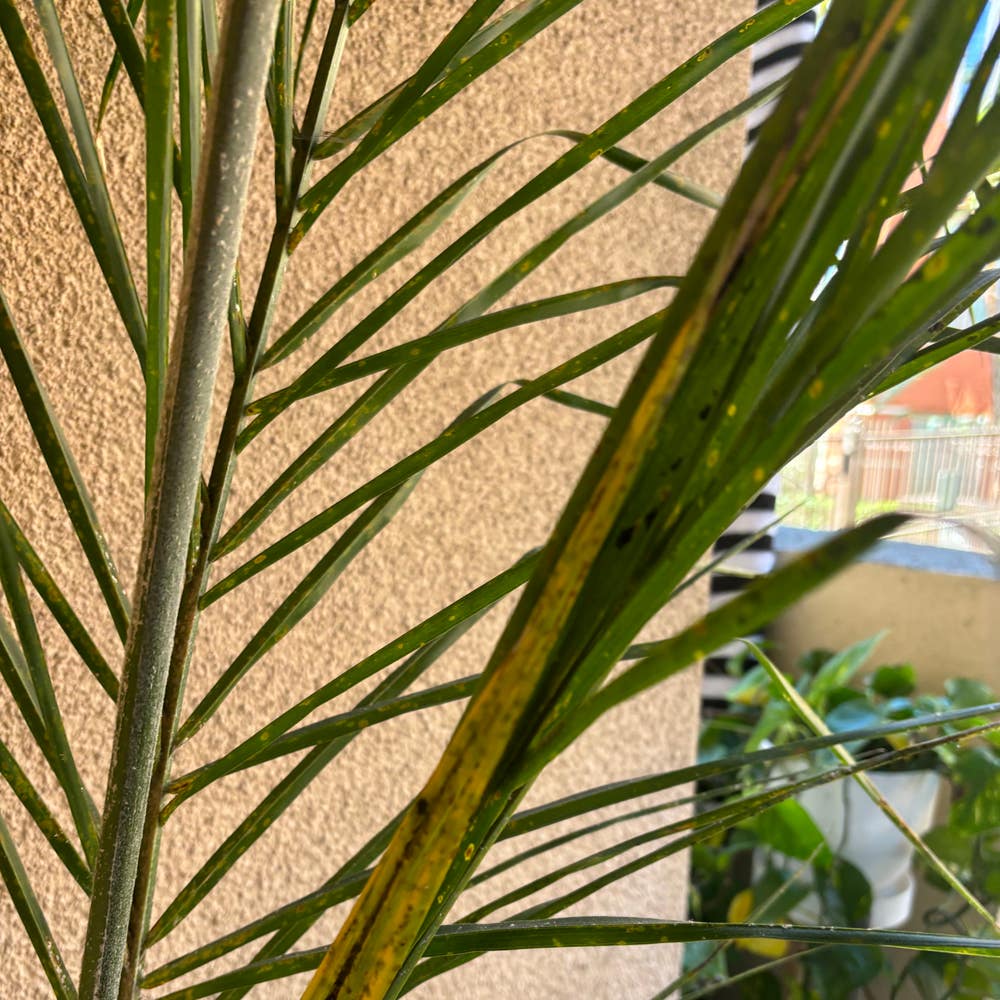
As winter fades, it's crucial to assess your Coco Palm for signs of damage. Look for browning leaf tips, yellowing fronds, and stunted growth, which indicate that your plant may have suffered during the colder months.
To ensure your plant's health, check for root rot or pest infestations. Healthy roots are vital for recovery, so take a moment to inspect them closely.
🌱 Steps for Recovery and Rejuvenation
Start the recovery process by pruning any damaged fronds. Removing dead or severely damaged leaves encourages new growth and revitalizes your Coco Palm.
Next, gradually reintroduce your plant to outdoor conditions. This slow acclimatization helps prevent shock and allows your palm to adjust to the changing environment.
Finally, resume your regular fertilization schedule to support recovery. A balanced approach will help your Coco Palm bounce back and thrive as spring unfolds.
With these steps, your Coco Palm will be well on its way to a vibrant and healthy season ahead. Transitioning into spring care is essential for ensuring your plant flourishes as the weather warms.
Common Challenges
Addressing Cold Hardiness Issues ❄️
Understanding cold hardiness is crucial for Coco Palm care. Different varieties have varying tolerances to cold temperatures, which can significantly impact their survival during winter.
To improve cold hardiness, consider selecting more resilient varieties suited for colder climates. Additionally, implementing protective measures during extreme weather can help safeguard your plants from frost and freezing temperatures.
Solutions for Common Winter-Related Problems 🥶
Identifying and treating frost damage is essential for maintaining plant health. Pruning damaged fronds and providing proper care can effectively mitigate the effects of frost.
Indoor environments can also pose challenges, particularly with pests that thrive in warmer conditions. Regularly monitor your Coco Palms for any signs of pest infestations and take action promptly to manage them.
Adjusting care practices based on observed challenges is key to successful winter maintenance. Tailor your watering and light exposure to meet the specific needs of your plants as conditions change.
With these strategies, you can navigate the common challenges of winter care and keep your Coco Palms thriving. Next, let’s explore how to prepare for spring and rejuvenate your plants after the winter months.
⚠️ Safety First
This content is for general information and may contain errors, omissions, or outdated details. It is not medical, veterinary advice, or an endorsement of therapeutic claims.
Always consult a qualified healthcare professional before using any plant as food, medicine, or supplement.
Never eat any plant (or feed one to pets) without confirming its identity with at least two trusted sources.
If you suspect poisoning, call Poison Control (800) 222-1222, the Pet Poison Helpline (800) 213-6680, or your local emergency service immediately.
Spotted an error? Please report it here.
Keep your Coco Palms thriving this winter ❄️ with Greg's tailored reminders for frost protection and watering adjustments that ensure your plants stay healthy and vibrant!