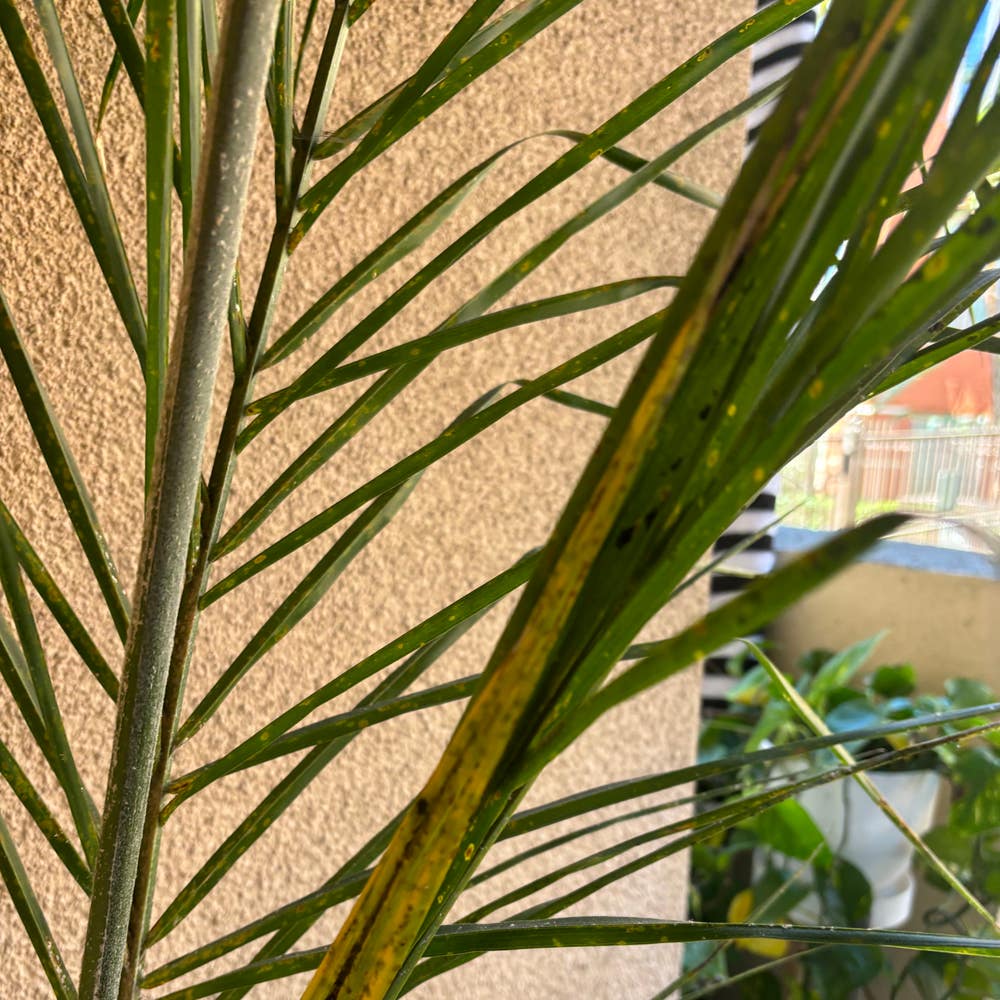
Best Light Conditions for Coco Palm ☀️
Syagrus cocoides
By the Greg Editorial Team
Nov 23, 2024•5 min read
This article was created with the help of AI so we can cover more plants for you. May contain errors. See one? Report it here.
Master Coco Palm light needs 🌞 for vibrant growth and stunning blooms, ensuring your indoor oasis thrives beautifully!
- 🌞 Coco Palms thrive in bright, filtered sunlight; 6-8 hours daily is ideal.
- 🌿 Insufficient light causes stunted growth and yellowing leaves; adjust placement accordingly.
- 💡 Use grow lights indoors to mimic sunlight and ensure optimal growth conditions.
Ideal Light Conditions for Outdoor Growth
Optimal Light Exposure 🌞
Coco Palms thrive best in bright, filtered sunlight. While they can tolerate some direct sun, it's wise to provide them protection during peak hours to prevent stress.
Light Intensity Requirements 💡
For optimal growth, Coco Palms need 6-8 hours of bright, indirect sunlight each day. Insufficient light can lead to stunted growth, yellowing leaves, and a general decline in vigor.
Seasonal Considerations 🍂
As seasons change, so should your Coco Palm's light exposure. In winter, they can benefit from more direct sunlight, while summer calls for filtered light to avoid leaf burn, which manifests as browning tips.
By understanding these light conditions, you can ensure your Coco Palm remains healthy and vibrant throughout the year. Next, let’s explore the ideal light conditions for indoor growth.
Ideal Light Conditions for Indoor Growth
🌞 Coco Palm Indoor Light Requirements
Coco palms thrive in bright, indirect sunlight, making them perfect for indoor settings. Positioning them near windows is crucial, with east or west-facing windows being the best spots for optimal light exposure.
💡 Light Intensity and Duration
For healthy growth, coco palms need 6-8 hours of indirect sunlight daily. To protect their delicate leaves from harsh rays, consider using sheer curtains to filter the light.
🌑 Adjustments for Low Light Environments
If your coco palm shows signs of low light, such as stunted growth or yellowing leaves, it’s time to take action. Moving the plant closer to a light source or supplementing with grow lights can help revive its vigor.
With the right light conditions, your indoor coco palm can flourish beautifully, adding a touch of tropical elegance to your space. Next, let’s explore how light plays a vital role in the flowering process of these stunning plants.
The Role of Light in Flowering
Flowering Conditions 🌼
Coco Palms thrive in outdoor environments where they can bask in adequate light. This exposure is crucial for flowering, as indoor conditions often fall short, leading to rare blooms.
Importance of Light for Flowering 💡
Light plays a vital role in triggering the flowering process. When Coco Palms receive sufficient light, they are more likely to engage in reproductive growth, leading to those beautiful blooms that many plant enthusiasts desire.
Understanding the relationship between light and flowering can help you create the perfect environment for your Coco Palm, whether indoors or outdoors. As we explore further, you'll discover how to optimize light conditions for your plant's health and vitality.
Benefits of Using Grow Lights for Indoor Coco Palm
🌱 Types of Grow Lights
When it comes to grow lights for your indoor Coco Palm, LED and fluorescent lights are the top recommendations. These options provide a light spectrum that closely mimics natural sunlight, ensuring your plant thrives even in less-than-ideal conditions.
🌟 Advantages of Grow Lights
Using grow lights offers consistent light exposure, which is crucial for plants in low-light environments. They also allow you to control light intensity, helping to prevent leaf burn and ensuring your Coco Palm receives just the right amount of light.
💡 Implementation Tips
For optimal results, position your grow lights 12 to 24 inches above your Coco Palm. Aim for a duration of 12 to 14 hours of light daily to promote healthy growth and vibrant foliage.
Incorporating grow lights into your indoor gardening routine can make a significant difference in the health and vitality of your Coco Palm. With the right setup, you can create an environment that mimics its natural habitat, leading to lush growth and a thriving plant.
Common Light-Related Issues and Solutions
🌞 Identifying Light-Related Problems
Understanding light-related issues is crucial for maintaining a healthy Coco Palm. Both insufficient and excessive light can lead to noticeable problems.
🌱 Signs of Insufficient Light
When your Coco Palm isn't getting enough light, it may show symptoms like stunted growth, yellowing leaves, and a leggy appearance. These signs indicate that the plant is stretching towards the light source, which is a clear call for action.
To remedy this, consider increasing light exposure. You can either relocate the plant closer to a window or choose a brighter spot in your home.
🔆 Signs of Excessive Light
On the flip side, too much light can also harm your Coco Palm. Look for signs such as leaf burn, browning tips, and faded fronds. These symptoms suggest that the plant is overwhelmed by direct sunlight.
To address this issue, move your Coco Palm to a shadier location. Alternatively, using sheer curtains can help filter harsh sunlight and protect the leaves.
📏 General Light Management Tips
Regularly monitoring light conditions is essential for your Coco Palm's health. Adjust the plant's placement based on seasonal changes to ensure it receives the right amount of light year-round.
Additionally, rotating the plant every few weeks can promote even light exposure on all sides. This simple practice helps maintain a balanced and vibrant appearance.
By staying attentive to your Coco Palm's light needs, you can foster a thriving indoor oasis. Next, let’s explore how light plays a vital role in the flowering process of this beautiful plant.
⚠️ Safety First
This content is for general information and may contain errors, omissions, or outdated details. It is not medical, veterinary advice, or an endorsement of therapeutic claims.
Always consult a qualified healthcare professional before using any plant as food, medicine, or supplement.
Never eat any plant (or feed one to pets) without confirming its identity with at least two trusted sources.
If you suspect poisoning, call Poison Control (800) 222-1222, the Pet Poison Helpline (800) 213-6680, or your local emergency service immediately.
Spotted an error? Please report it here.
Help your Coco Palm shine bright 🌞 by using Greg's tailored light tips to ensure it gets the perfect amount of sunlight for thriving growth!