4 Outdoor Care Tips for Coco Palm 🥥
Syagrus cocoides
By the Greg Editorial Team
Nov 23, 2024•6 min read
This article was created with the help of AI so we can cover more plants for you. May contain errors. See one? Report it here.
Transform your Coco Palms 🌴 into lush beauties with essential tips on sunlight, watering, and protection!
- ☀️ Coco Palms need 6-8 hours of sunlight for optimal growth and vibrant fronds.
- 💧 Water every 1-2 weeks; overwatering causes yellow fronds, while underwatering leads to wilting.
- 🌱 Use well-draining soil and balanced fertilizer for healthy Coco Palms.
Sunlight Requirements
Ideal Sunlight Exposure 🌞
Coco Palms thrive in full sun, requiring 6-8 hours of direct sunlight daily. While they can tolerate partial shade, this may hinder their growth and the development of lush fronds.
Effects of Insufficient Light 🌑
When deprived of adequate light, Coco Palms exhibit stunted growth, often appearing weak and leggy. Additionally, insufficient sunlight leads to reduced frond size, resulting in smaller and less vibrant leaves.
Adjusting Light Conditions 🌤️
To protect young plants from the harsh afternoon sun, consider using shade cloth. For container plants, relocating them throughout the day can optimize their sunlight exposure, ensuring they receive the light they need to flourish.
With the right sunlight conditions established, you can move on to understanding the watering needs of your Coco Palm for optimal growth.
Watering Needs and Frequency
💧 Watering Requirements
Coco Palms thrive on consistent moisture, so it's crucial to keep the soil evenly moist without letting it become waterlogged. During the growing season, aim to water every 1-2 weeks, while in cooler months, you can reduce this frequency to once every 2-3 weeks.
🚫 Signs of Overwatering and Underwatering
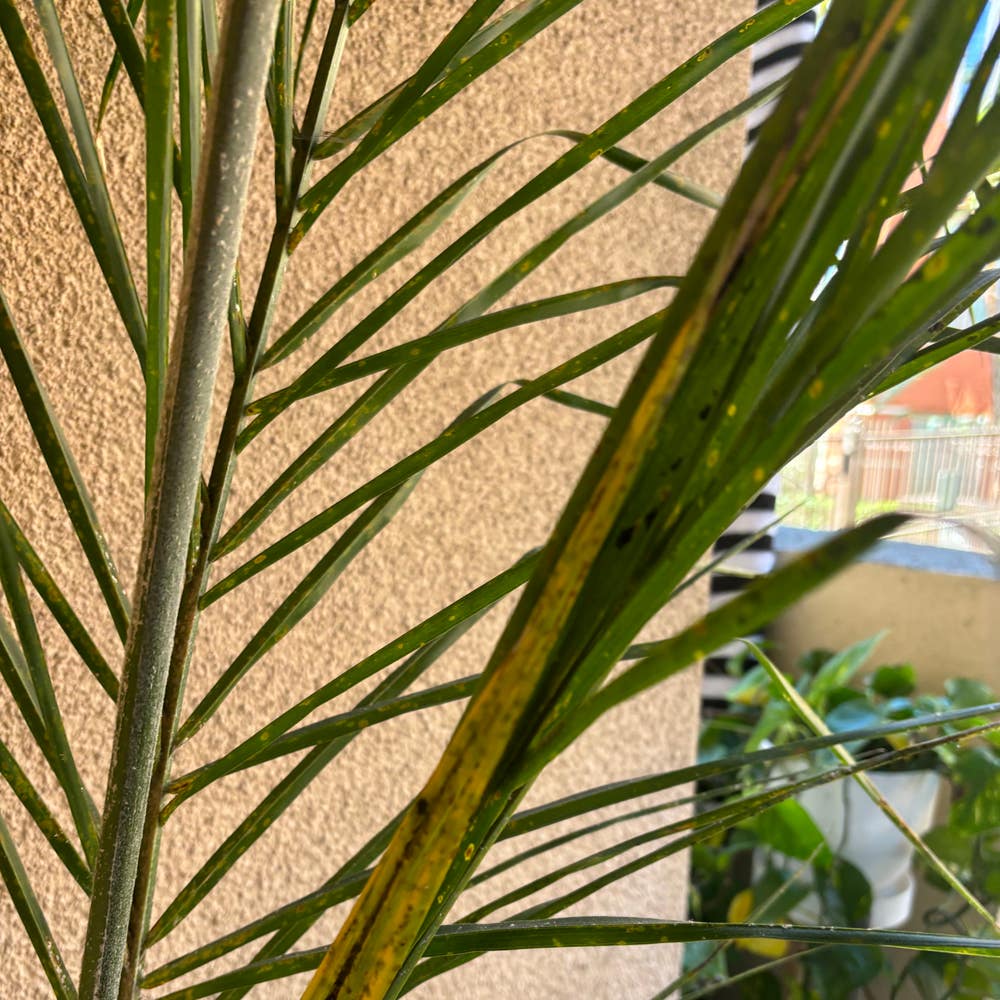
Recognizing the signs of overwatering is essential for maintaining a healthy Coco Palm. Yellowing fronds and root rot indicate too much water, while wilting leaves and browning tips suggest underwatering.
🌊 Watering Techniques
To ensure your Coco Palm receives adequate hydration, practice deep watering. This technique allows water to penetrate the root zone effectively.
Additionally, using mulch can be a game-changer. It helps retain soil moisture and regulates temperature, creating a more stable environment for your plant.
With these watering strategies in place, your Coco Palm will flourish. Next, let’s explore the ideal soil preferences and amendments to further enhance its growth.
Soil Preferences and Amendments
Ideal Soil Composition 🌱
Coco Palms thrive in well-draining soil, with sandy or loamy substrates being the best options. Aim for a soil pH that is slightly acidic to neutral, ideally between 6.0 and 7.0, to promote healthy growth.
Soil Amendments 🧑🌾
To enhance soil quality, incorporate organic matter like compost, which improves both structure and fertility. Adding perlite or sand can significantly boost drainage, ensuring Coco Palm roots remain healthy and well-aerated.
Soil Testing 🔬
Testing your soil is crucial before planting to assess pH and nutrient levels. It's recommended to conduct soil tests every 2-3 years to maintain optimal growing conditions for your Coco Palm.
Understanding the right soil preferences and amendments can make a significant difference in the health of your Coco Palm. With the right foundation, your plant will flourish, setting the stage for effective watering and fertilization practices.
Fertilization Schedule and Types
🌱 Nutrient Requirements
Coco Palms thrive on balanced nutrients, so a fertilizer with an NPK ratio of 10-10-10 is ideal. This ensures your palm receives the essential nitrogen, phosphorus, and potassium it needs for robust growth.
📅 Fertilization Schedule
To keep your Coco Palm healthy, fertilize every 6-8 weeks during the growing season. Start this routine in early spring and continue through late summer for optimal results.
🧪 Types of Fertilizers
There are two main types of fertilizers to consider:
Slow-Release Granules
These granules provide nutrients gradually over an extended period. They're perfect for ensuring a steady supply of nourishment without the risk of over-fertilization.
Liquid Fertilizers
Liquid options allow for quick nutrient uptake, making them ideal for container plants. They can give your Coco Palm an immediate boost when it needs it most.
By following this fertilization schedule and choosing the right type of fertilizer, you can help your Coco Palm flourish. Next, let’s explore how to protect your palm from environmental factors that could hinder its growth.
Protection from Environmental Factors
🌧️ Weather Protection Strategies
Coco Palms thrive best when shielded from harsh weather conditions. In colder months, using frost cloths or blankets can protect your plants from frost damage.
Wind can also be detrimental, especially for young palms. Planting near structures or using barriers can create effective windbreaks, ensuring your Coco Palm remains upright and healthy.
🐞 Common Outdoor Pests
Identifying Pests
A few pests can wreak havoc on your Coco Palm. Keep an eye out for aphids, spider mites, and mealybugs, which can cause significant damage.
Signs of infestation include discoloration of leaves, webbing, or sticky residue. Early detection is key to managing these pests effectively.
Control Methods
When it comes to pest control, organic insecticides like neem oil or insecticidal soap are excellent choices. They are effective and less harmful to the environment.
Additionally, introducing natural predators such as ladybugs or lacewings can help keep pest populations in check. These beneficial insects will feast on the pests, providing a natural solution to your pest problems.
🦠 Diseases That Can Affect Coco Palm
Common Diseases
Coco Palms are susceptible to a couple of common diseases. Root rot, often caused by overwatering and poor drainage, can be particularly damaging.
Leaf spot, a fungal infection, leads to unsightly spots on fronds, detracting from the plant's beauty. Recognizing these diseases early is crucial for effective treatment.
Prevention Tips
To prevent root rot, ensure proper watering techniques that avoid waterlogged conditions. This simple adjustment can make a world of difference.
Regular inspection of your plants will help you catch any disease symptoms early. The sooner you identify issues, the easier it will be to maintain the health of your Coco Palm.
As you protect your Coco Palm from environmental factors, remember that seasonal care and climate zone considerations are equally important for its overall well-being.
Seasonal Care and Climate Zone Considerations
🌱 Seasonal Changes and Their Impact
Understanding the seasonal needs of your Coco Palm is crucial for its health. Spring is the ideal time for planting and starting your fertilization routine.
As temperatures rise in summer, increase your watering frequency and keep an eye out for pests. Fall is the time to prepare for cooler weather by reducing watering and ensuring your plant is ready for the change.
In winter, protect your Coco Palm from frost and limit fertilization to give it a rest.
❄️ Winter Care Tips for Colder Climates
If you live in a colder climate, mulching is your best friend. It insulates the roots and helps retain moisture during chilly months.
Consider relocating container plants indoors to shield them from harsh winter conditions. This simple step can make a significant difference in their survival and health.
🌍 Best Climate Zones for Growing
Coco Palms thrive best in USDA zones 10-11. These zones provide the warm temperatures and humidity levels that promote optimal growth.
If you're in a cooler zone, don't fret—there are ways to adapt your care routine.
🌡️ Adaptation Strategies
Creating a microclimate can help your Coco Palm flourish. Planting in sheltered areas can mitigate harsh weather conditions.
Container gardening is another excellent strategy. It allows you to move your plants to protect them from extreme weather, ensuring they stay healthy and vibrant.
With these seasonal care tips and climate considerations, your Coco Palm will be well-equipped to thrive throughout the year. Next, let’s explore how to protect your palm from environmental factors.
⚠️ Safety First
This content is for general information and may contain errors, omissions, or outdated details. It is not medical, veterinary advice, or an endorsement of therapeutic claims.
Always consult a qualified healthcare professional before using any plant as food, medicine, or supplement.
Never eat any plant (or feed one to pets) without confirming its identity with at least two trusted sources.
If you suspect poisoning, call Poison Control (800) 222-1222, the Pet Poison Helpline (800) 213-6680, or your local emergency service immediately.
Spotted an error? Please report it here.
Keep your Coco Palm thriving 🌴 with Greg's tailored watering reminders and soil testing tips to ensure it gets the perfect care it needs!