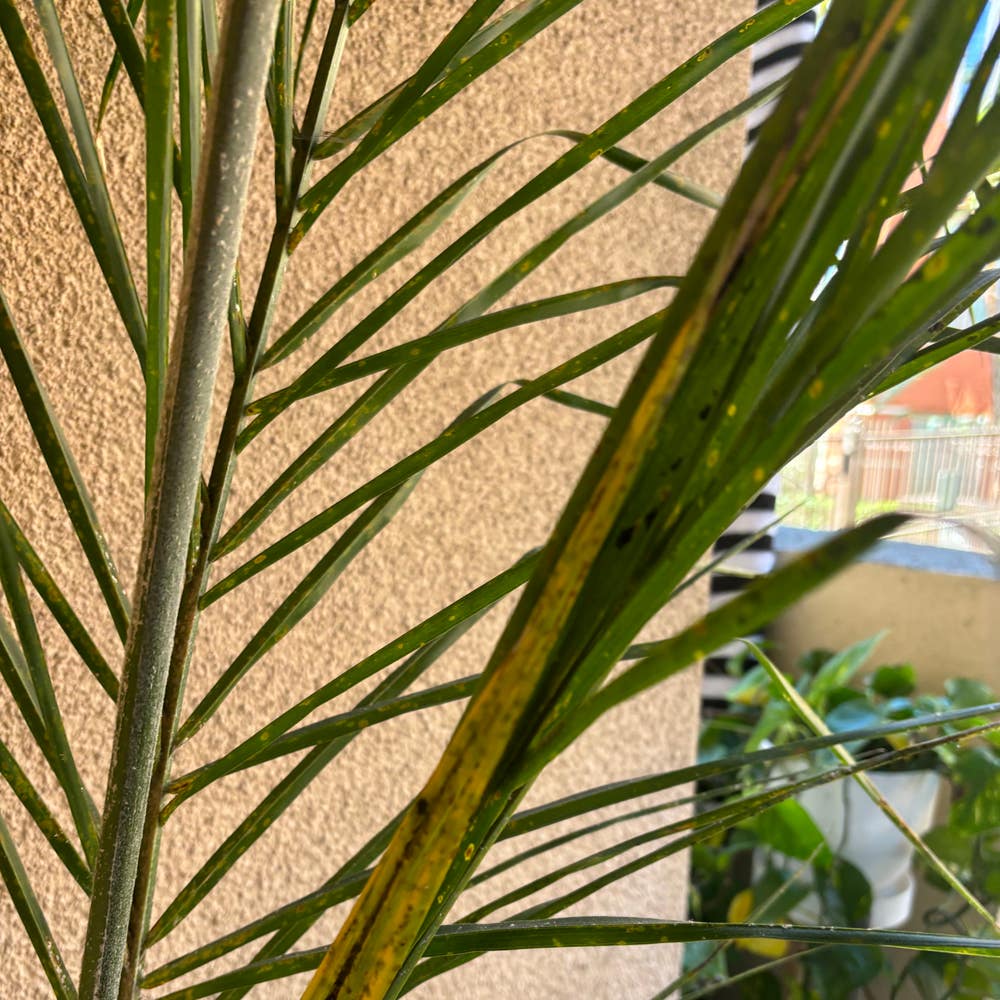
Ultimate Guide to Watering Your Coco Palm 🥥
Syagrus cocoides
By the Greg Editorial Team
Nov 23, 2024•7 min read
This article was created with the help of AI so we can cover more plants for you. May contain errors. See one? Report it here.
Unlock your coco palm's full potential 🌴 with expert watering tips for vibrant growth all year round!
- 💧 Water coco palms every 1-2 weeks, adjusting for light and humidity changes.
- 🌱 Increase watering in spring/summer; decrease in fall/winter for optimal growth.
- ⚠️ Watch for signs of over/under-watering like yellowing leaves or drooping fronds.
How Often to Water Coco Palm
General Watering Frequency 🌊
Watering your coco palm is essential for its health and vitality. The general recommendation is to water every 1-2 weeks, but this can vary based on specific conditions.
Several factors influence how often you should water:
- Light Exposure: If your palm is basking in bright light, it will need more frequent watering.
- Temperature: Warmer conditions typically require increased watering to keep the plant hydrated.
- Humidity Levels: In areas with higher humidity, you may find that your coco palm needs less water.
Seasonal Adjustments 🍂
As seasons change, so should your watering routine.
- Spring and Summer: During these growth spurts, increase the frequency of watering to support your palm's active growth.
- Fall and Winter: As growth slows down, you can decrease the watering frequency to prevent over-saturation.
By adjusting your watering schedule according to these factors, you can ensure your coco palm thrives throughout the year. Next, let’s explore how to recognize watering issues that may arise.
Recognizing Watering Issues
🚰 Signs of Over-Watering
Over-watering can be a sneaky problem for your coco palm. Look out for yellowing leaves, which often signal root stress due to excess moisture.
If your plant is wilting despite the soil being wet, it might be at risk of root rot. Additionally, mold or fungus on the soil surface is a clear indicator of too much water.
💧 Signs of Under-Watering
On the flip side, under-watering can also harm your plant. Browning leaf tips are a telltale sign of drought stress, indicating your palm needs a drink.
Dry, crumbly soil suggests a lack of moisture, while drooping fronds are another sign that your coco palm is dehydrated and craving water.
⚠️ Common Problems Caused by Improper Watering
Improper watering can lead to several issues. Root rot is primarily caused by over-watering, which can be devastating for your plant's health.
Leaf drop can occur from both over and under-watering, leaving your palm looking sparse. Stunted growth is another consequence of inconsistent moisture levels, preventing your coco palm from thriving.
Recognizing these signs early can help you adjust your watering habits and keep your coco palm healthy and vibrant. Next, let’s explore effective watering techniques to ensure your plant gets just the right amount of moisture.
Watering Techniques
🌊 Bottom-Watering Method
The bottom-watering method is a straightforward technique that can significantly benefit your coco palm. Here’s how to do it:
- Fill a basin or tray with water.
- Place the pot in the water, allowing it to soak for 30 minutes.
- Remove the pot and let excess water drain.
This method encourages deep root growth and helps prevent waterlogging, ensuring your plant thrives.
💧 Using Self-Watering Pots
Self-watering pots feature a reservoir system that maintains consistent moisture levels. They offer several advantages:
- Consistent moisture levels: Your plant gets the hydration it needs without constant monitoring.
- Reduced risk of over-watering: The design helps prevent soggy soil, which can harm your coco palm.
However, there are some downsides to consider:
- Potential for root rot: If not monitored, the constant moisture can lead to root issues.
- Higher initial cost: These pots can be pricier than traditional options.
⚖️ Advantages and Disadvantages of Different Watering Techniques
When choosing a watering technique, it’s essential to weigh the pros and cons. Here’s a quick comparison:
| Method | Advantages | Disadvantages |
|---|---|---|
| Traditional watering | More control over watering | Risk of over or under-watering |
| Bottom-watering | Promotes healthy roots | Requires regular monitoring |
| Self-watering pots | Convenient and reduces watering frequency | May lead to neglect of moisture checks |
Each method has its place, so consider your lifestyle and the specific needs of your coco palm when deciding how to water.
With the right technique, you can ensure your coco palm remains healthy and vibrant, setting the stage for a thriving indoor garden. Next, let’s explore how to measure soil moisture effectively to keep your watering routine on point.
Measuring Soil Moisture
🌱 How to Measure Soil Moisture
Measuring soil moisture is essential for keeping your coco palm healthy. Two recommended methods are the finger test and using a moisture meter.
For the finger test, simply insert your finger about 1-2 inches into the soil. If it feels dry, it’s time to water your plant.
Alternatively, a moisture meter provides a more precise reading. Just insert it into the soil, and it will indicate the moisture level.
🛠️ Tools for Measuring Soil Moisture
When it comes to tools, moisture meters come in both digital and analog options. These devices can give you a quick and accurate assessment of your soil's moisture content.
The finger test remains a favorite for its simplicity and effectiveness. It’s a quick way to check moisture without any special equipment.
📊 Interpreting Moisture Readings
Understanding moisture meter readings is crucial for proper watering. Here’s a quick guide:
- 1-3: Dry, needs watering.
- 4-6: Moist, wait before watering.
- 7-10: Wet, avoid watering.
By interpreting these readings correctly, you can maintain the right moisture levels for your coco palm, ensuring it thrives.
With your moisture measuring skills in hand, let’s explore how to set up a watering schedule that fits your plant's needs.
Watering Reminders and Scheduling
🌱 Setting Up a Watering Schedule Using the Greg Plant Care App
The Greg Plant Care App is a game-changer for plant enthusiasts. It offers custom reminders tailored to your coco palm's specific needs, ensuring you never miss a watering session.
Additionally, the app tracks moisture levels and your watering history. This feature helps you understand your plant's hydration patterns, making it easier to adjust your care routine.
⏰ Tips for Maintaining Consistent Watering Habits
Establishing a routine is crucial for your coco palm's health. Aim to water on the same day each week to create a reliable schedule.
Pay attention to your plant's behavior as well. If you notice signs of stress, like drooping fronds or browning tips, it may be time to adjust your watering frequency.
📈 Adjusting Watering Frequency Based on Plant Growth Stages
Young coco palms require more frequent watering to help establish their roots. This extra attention ensures they thrive during their early growth stages.
As your plant matures, you can adjust the watering frequency based on seasonal changes and growth patterns. Monitoring these shifts will help maintain optimal moisture levels throughout the year.
With these strategies in place, you’ll be well-equipped to keep your coco palm healthy and thriving. Next, let’s explore how to measure soil moisture effectively.
⚠️ Safety First
This content is for general information and may contain errors, omissions, or outdated details. It is not medical, veterinary advice, or an endorsement of therapeutic claims.
Always consult a qualified healthcare professional before using any plant as food, medicine, or supplement.
Never eat any plant (or feed one to pets) without confirming its identity with at least two trusted sources.
If you suspect poisoning, call Poison Control (800) 222-1222, the Pet Poison Helpline (800) 213-6680, or your local emergency service immediately.
Spotted an error? Please report it here.
Keep your coco palm thriving 🌴 by adjusting your watering routine with Greg's custom reminders and moisture tracking, ensuring it gets the perfect amount of hydration all year round!