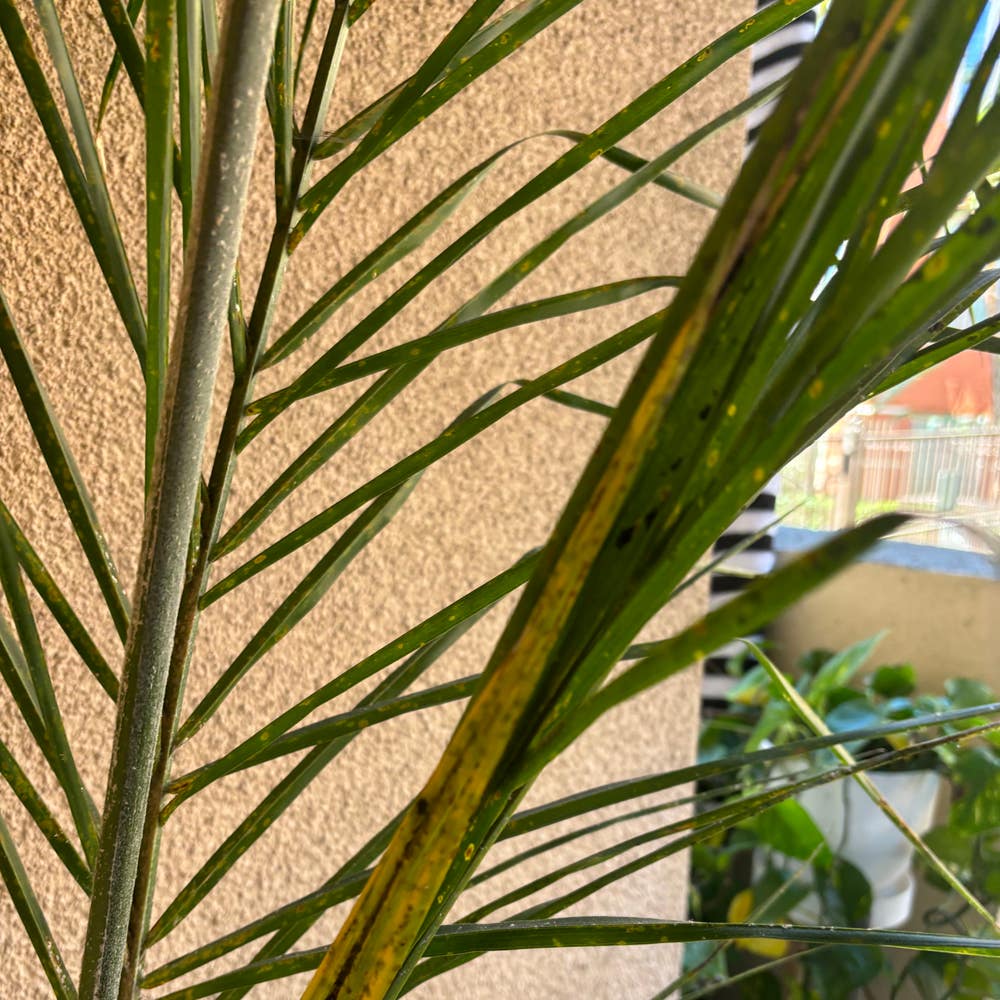
Ultimate Guide to Propagating Coco Palm 🌴
Syagrus cocoides
By the Greg Editorial Team
Nov 23, 2024•5 min read
This article was created with the help of AI so we can cover more plants for you. May contain errors. See one? Report it here.
Easily grow your own coco palms from seeds and cuttings, bringing a slice of paradise to your home! 🌴
- 🥥 Use mature, brown coconuts for the best propagation results.
- 💧 Soak seeds for 24-48 hours to boost germination rates.
- 🌱 Maintain 70-80% humidity and warm temperatures for healthy seedlings.
Propagating from Seeds
Step-by-step Guide for Seed Preparation 🌱
To start your coco palm propagation journey, selecting the right seeds is crucial. Choose brown, mature coconuts with intact husks for the best results.
Next, clean the seeds thoroughly. Remove any remaining flesh and rinse them under water to ensure they are free from debris.
After cleaning, it's time to soak the seeds. Submerge them in water for 24 to 48 hours to enhance germination rates.
Ideal Conditions for Germination 🌡️
Creating the right environment is key to successful germination. Maintain a warm temperature between 75°F to 85°F (24°C to 29°C) to encourage growth.
Humidity also plays a vital role. Aim for high humidity levels of 70-80% to support the development of your seedlings.
Finally, provide indirect sunlight. This will prevent overheating while still allowing the seeds to receive the light they need to thrive.
With these steps, you're well on your way to propagating your own coco palms from seeds. Next, we’ll explore how to propagate from cuttings, offering another exciting method to expand your palm collection.
Propagating from Cuttings
🌱 Selecting the Right Cutting
To start propagating your coco palm, selecting the right cutting is crucial. Look for healthy, mature fronds that are at least 2-3 feet long, as these will have a better chance of rooting successfully.
Ensure that the cutting has a thick base. A thicker base provides more tissue for root development, increasing your chances of success.
✂️ Preparing the Cutting for Propagation
Once you've selected your frond, it's time to prepare it for propagation.
- Cut the frond: Use clean, sharp shears to make a diagonal cut. This angle helps maximize the surface area for rooting.
- Remove lower leaves: Trim off the lower leaves to expose the stem. This step is essential for preventing rot and promoting healthy root growth.
🌿 Rooting Hormone Application
Applying rooting hormone can significantly enhance your propagation efforts.
Dab some rooting hormone onto the cut end of the frond. This hormone encourages root development, giving your cutting a head start in establishing itself.
🌡️ Ideal Conditions for Rooting
Creating the right environment is key to successful rooting.
- Temperature: Maintain a warm environment between 75°F to 85°F (24°C to 29°C). This warmth encourages growth and speeds up the rooting process.
- Humidity: Use a humidity dome or a plastic bag to retain moisture around the cutting. High humidity levels will help keep the cutting hydrated and promote root formation.
With these steps, you’re well on your way to propagating your coco palm from cuttings. Next, let’s explore the water propagation method, another effective way to grow your palm.
Water Propagation Method
🌊 How to Propagate Coco Palm in Water
Water propagation is a straightforward and effective method for growing coco palms. Start by placing your cutting in a container filled with water, ensuring that the cut end is fully submerged.
Change the water weekly to keep it fresh and prevent stagnation. This simple step is crucial for promoting healthy root growth.
👀 Monitoring Root Development
After 2-4 weeks, it's time to check on your progress. Look for signs of root growth; healthy, white roots indicate that your propagation efforts are successful.
If you see these roots developing, you're on the right track to nurturing a thriving coco palm. Keep an eye on them, and soon you'll be ready to transition your new plant to soil.
With the right care, your coco palm will flourish, bringing a touch of tropical beauty to your space. Next, let’s explore the soil propagation method for those who prefer a different approach.
Soil Propagation Method
🌱 Choosing the Right Soil Mix
To successfully propagate your Coco Palm, start with a well-draining potting mix. A combination of peat, perlite, and sand works wonders for optimal drainage, ensuring your cuttings thrive without drowning.
🌿 Planting Cuttings in Soil
Once your soil mix is ready, it's time to plant your cuttings.
- Create a hole in the soil mix and insert the cutting.
- Firm the soil around the cutting to eliminate air pockets.
This step is crucial for providing stability and support as your cutting begins to root.
💧 Watering and Care During Rooting
Proper watering is essential during the rooting process. Water lightly to keep the soil moist but avoid sogginess, which can lead to rot.
Additionally, maintaining high humidity around the cutting is vital. Use a plastic cover or dome to create a mini greenhouse effect, helping your cutting retain moisture and encouraging healthy growth.
With these steps, you’re well on your way to nurturing your Coco Palm from cuttings. Next, let’s explore how to transplant your propagated Coco Palms for continued growth and success.
Transplanting Propagated Coco Palms
🌱 When to Transplant
Transplant your coco palms when their roots are well-established, ideally around 2-3 inches long. The best time for this is in spring or early summer, as the warmer weather promotes optimal growth.
🌿 How to Transplant Successfully
- Prepare the new planting site: Ensure the soil is sandy and well-drained to support healthy root development.
- Dig a hole: Make the hole slightly larger than the root ball to give your plant room to grow.
- Place the plant: Position the coco palm in the hole and backfill with soil, ensuring to water thoroughly afterward.
By following these steps, you’ll set your propagated coco palms up for success in their new environment. This careful approach not only enhances their growth but also ensures they thrive in their new home.
Next, let’s explore the ongoing care needed to keep your coco palms flourishing after transplanting.
⚠️ Safety First
This content is for general information and may contain errors, omissions, or outdated details. It is not medical, veterinary advice, or an endorsement of therapeutic claims.
Always consult a qualified healthcare professional before using any plant as food, medicine, or supplement.
Never eat any plant (or feed one to pets) without confirming its identity with at least two trusted sources.
If you suspect poisoning, call Poison Control (800) 222-1222, the Pet Poison Helpline (800) 213-6680, or your local emergency service immediately.
Spotted an error? Please report it here.
Propagate your coco palm like a pro 🌱 with Greg's tailored tips and reminders, ensuring your seeds and cuttings thrive from germination to transplant!