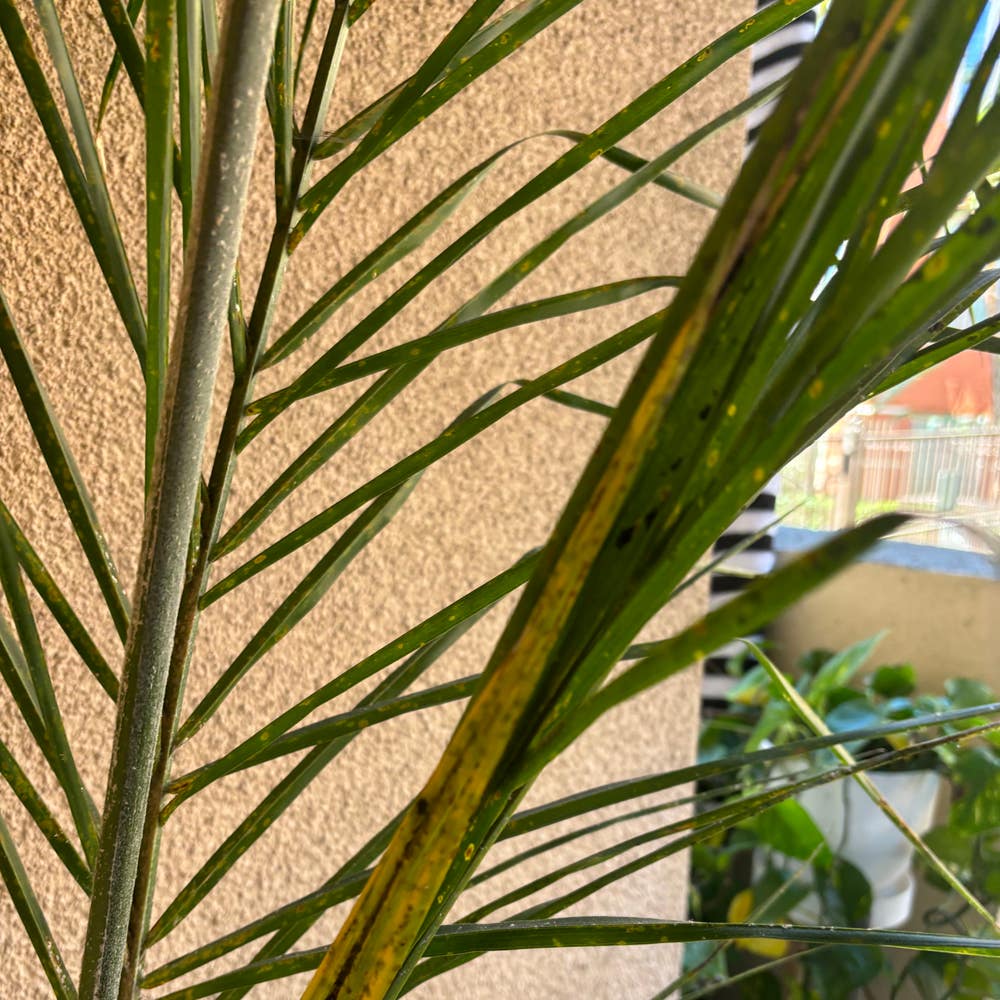
🌴 Top 3 Pot Options to Make Your Coco Palm Thrive
Syagrus cocoides
By the Greg Editorial Team
Nov 23, 2024•6 min read
This article was created with the help of AI so we can cover more plants for you. May contain errors. See one? Report it here.
Ensure your Coco Palm thrives 🌴 by choosing the right pot size and material for optimal growth and health!
- 🌱 Start with a 4-6 inch pot for seedlings to boost root development.
- 🪴 Mature Coco Palms need 14-20 inch pots for optimal growth and nutrient uptake.
- 💧 Ensure proper drainage with at least three holes to prevent root rot.
Pot Size for Coco Palm Growth Stages
Recommended Pot Sizes 🌱
When starting with seedlings, choose a container that is 4-6 inches in diameter. This small size is crucial as it encourages root development, allowing the plant to establish itself effectively.
As your Coco Palm transitions into young plants, it's time to upgrade to an 8-12 inch pot. This larger space accommodates growth, ensuring the roots have room to expand.
For mature Coco Palms, opt for a pot size of 14-20 inches in diameter or even larger. At this stage, consider the plant's height and root spread to provide adequate space for continued growth.
Pot Size Impact on Coco Palm 🌿
Using an inadequate pot size can severely affect root health and overall growth. A cramped environment can lead to stunted development and poor nutrient uptake.
Conversely, selecting the proper container size promotes healthy frond development and enhances the plant's vigor. A well-sized pot allows for optimal root expansion, ensuring your Coco Palm thrives beautifully.
With the right pot size in place, your Coco Palm is set for success. Next, let’s explore the best pot materials to support its growth.
Pot Materials for Coco Palm
🌱 Comparison of Clay vs. Plastic Pots
When choosing pots for your Coco Palm, the material plays a crucial role.
Clay Pots
Clay pots are a popular choice due to their breathability and moisture retention. They allow air to circulate through the walls, which helps prevent root rot and promotes healthy growth. Additionally, their natural aesthetic can enhance the beauty of your plant display.
However, clay pots come with some drawbacks. They are heavier than plastic options, making them less convenient to move. Furthermore, they can crack in extreme temperatures, which may lead to unexpected challenges.
Plastic Pots
On the other hand, plastic pots offer a lightweight and durable alternative. They are available in various sizes, making it easy to find the perfect fit for your Coco Palm.
Yet, plastic pots have their downsides. They are less breathable than clay, which can lead to root rot if drainage isn't managed properly. It's essential to ensure adequate drainage when using plastic containers.
🌍 Benefits of Using Biodegradable Pots
Biodegradable pots are gaining popularity for their eco-friendly benefits. These pots break down naturally over time, reducing plastic waste and contributing to a healthier environment.
Using biodegradable options can also enhance root health. They allow for better aeration and moisture retention, which are vital for your Coco Palm's growth. Plus, they promote sustainable gardening practices, making them a great choice for environmentally conscious gardeners.
In summary, selecting the right pot material is essential for your Coco Palm's health and growth. Whether you opt for clay, plastic, or biodegradable pots, each choice has its unique advantages and considerations.
As you explore pot options, remember that the right choice can significantly impact your plant's vitality and overall success. Next, let's dive into the crucial topic of drainage considerations for your Coco Palm.
Drainage Considerations for Coco Palm
Importance of Drainage Holes 🌊
Drainage holes are crucial for preventing waterlogging, which can lead to root rot in your Coco Palm. Without proper drainage, excess water accumulates, suffocating the roots and hindering their ability to absorb nutrients.
For optimal health, it's recommended to have at least three to five drainage holes, each about 1/2 inch in diameter. This ensures that water can escape freely, promoting a healthy root environment.
Ensuring Proper Drainage in Pots 🚰
To enhance drainage, consider these effective techniques:
Use Potting Soil with Perlite or Sand: Mixing in perlite or sand improves aeration, allowing roots to breathe and preventing compaction.
Add a Layer of Gravel or Stones: Placing a layer of gravel or small stones at the bottom of the pot helps facilitate water flow and prevents soil from clogging the drainage holes.
Monitoring drainage during watering is essential. Always check that water flows out of the holes freely, ensuring your Coco Palm remains healthy and vibrant.
With these drainage considerations in mind, your Coco Palm will thrive, setting the stage for a successful repotting experience.
Repotting Coco Palm
🌱 Signs That Your Coco Palm Needs Repotting
Recognizing when your Coco Palm needs repotting is crucial for its health. Look for roots growing out of the drainage holes or circling the pot; these are clear indicators that your plant is root-bound.
Additionally, if you notice stunted growth or yellowing fronds, it’s likely a sign that the pot size is inadequate. Addressing these issues promptly can help your plant thrive.
🛠️ Step-by-Step Guide to Repotting Coco Palm
Repotting your Coco Palm may seem daunting, but with the right approach, it can be a straightforward process. Follow these steps for a successful repotting experience:
- Choose the right time: Early spring or late winter is ideal for repotting.
- Prepare the new pot: Ensure it has adequate drainage holes to prevent waterlogging.
- Remove the Coco Palm from its current pot: Gently loosen the soil and roots to avoid damage.
- Inspect the roots: Trim any damaged or dead roots to encourage healthy growth.
- Place in the new pot: Fill with well-draining potting soil, ensuring the root ball is level.
- Water thoroughly: Allow excess water to drain out, ensuring the roots are well-hydrated.
By following these steps, you can give your Coco Palm the space it needs to flourish. Proper repotting not only enhances growth but also promotes overall plant health, setting the stage for vibrant fronds and a thriving indoor oasis.
Next, we’ll explore how the choice of pot can significantly impact the growth and health of your Coco Palm.
Impact of Pot Choice on Growth
🌱 How Pot Choice Affects Coco Palm Health and Growth
The choice of pot significantly impacts the health of your Coco Palm. Different materials and sizes can either promote or hinder root health and nutrient uptake.
Clay pots, for instance, allow for better airflow, which is crucial for healthy roots. In contrast, plastic pots, while lightweight and durable, may restrict airflow, potentially leading to root issues.
Size matters too; a pot that's too small can restrict root growth, while a larger pot provides ample space for roots to spread. This freedom enhances the plant's ability to absorb nutrients and water, promoting overall vigor.
🚫 Common Issues Related to Poor Pot Selection
Selecting the wrong pot can lead to several problems for your Coco Palm. One major issue is root rot, often caused by inadequate drainage in pots that retain too much moisture.
Additionally, being pot-bound can stunt growth, making it difficult for the plant to thrive. Nutrient deficiencies may also arise from poor soil aeration, limiting the plant's access to essential nutrients.
Choosing the right pot is essential for a thriving Coco Palm. With the right materials and sizes, you can ensure your plant flourishes beautifully.
As we move forward, let’s explore the importance of drainage considerations for your Coco Palm.
⚠️ Safety First
This content is for general information and may contain errors, omissions, or outdated details. It is not medical, veterinary advice, or an endorsement of therapeutic claims.
Always consult a qualified healthcare professional before using any plant as food, medicine, or supplement.
Never eat any plant (or feed one to pets) without confirming its identity with at least two trusted sources.
If you suspect poisoning, call Poison Control (800) 222-1222, the Pet Poison Helpline (800) 213-6680, or your local emergency service immediately.
Spotted an error? Please report it here.
Give your Coco Palm the perfect pot 🪴 it deserves, and let Greg guide you with tailored reminders and expert tips to ensure it thrives beautifully!