Best Humidity Levels for Coco Palm 💧
Syagrus cocoides
By the Greg Editorial Team
Nov 23, 2024•5 min read
This article was created with the help of AI so we can cover more plants for you. May contain errors. See one? Report it here.
Unlock the secret to vibrant Coco Palms 🌴 by mastering humidity levels for lush, healthy growth all year! 🌱
- 🌴 Coco Palms thrive at 60%-80% humidity for optimal growth and health.
- 💧 Low humidity causes browning tips and stunted growth; monitor levels closely.
- 🌬️ Adjust care seasonally to maintain ideal humidity and prevent plant stress.
Ideal Humidity Range
Recommended levels 🌧️
For optimal growth, Coco Palms thrive in relative humidity levels between 60% and 80%. This range not only supports their lush appearance but also enhances their overall health.
Maintaining these humidity levels leads to vibrant fronds and robust growth patterns. When your Coco Palm is happy, you'll notice its leaves are rich in color and full of life.
Effects on growth and frond health 📈
Humidity plays a crucial role in the growth of Coco Palms. Adequate moisture in the air helps the plant absorb water more efficiently, promoting healthy frond development.
Without sufficient humidity, you may see a decline in growth and vitality. This can result in a less attractive plant that struggles to thrive.
Signs of optimal humidity 🌟
Recognizing signs of optimal humidity is key to successful Coco Palm care. Look for vibrant, glossy fronds that stand tall and proud.
Healthy growth patterns, such as new fronds emerging regularly, indicate that your humidity levels are just right. If you see these signs, you can feel confident that your Coco Palm is flourishing in its environment.
As we explore the effects of humidity imbalance, it’s essential to understand how both low and high humidity can impact your plant's health.
Effects of Humidity Imbalance
💨 Low Humidity Impacts
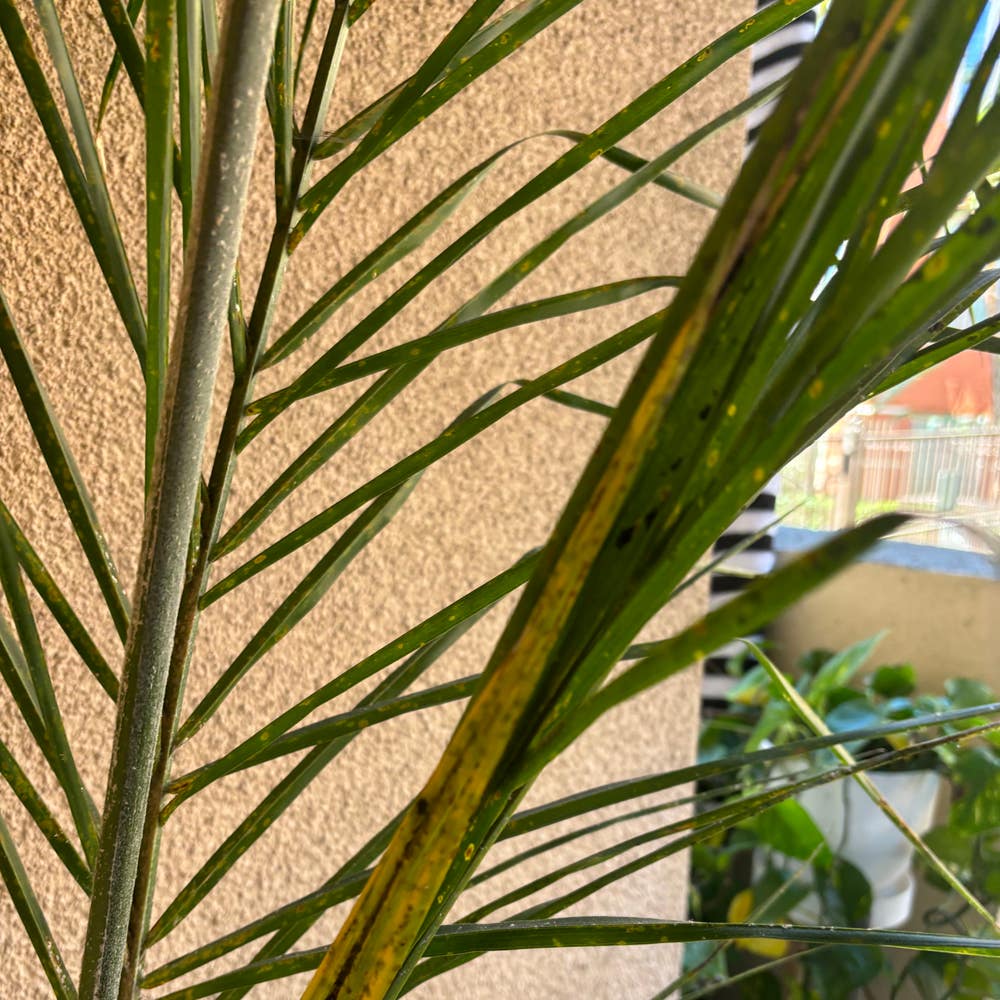
Low humidity can wreak havoc on your Coco Palm. Symptoms like browning tips and curling fronds are common indicators that your plant is struggling.
Over time, these issues can lead to stunted growth and increased susceptibility to pests. To mitigate these effects, consider increasing humidity through methods like using a humidifier or grouping plants together.
🌧️ High Humidity Impacts
On the flip side, high humidity can also pose serious problems. You might notice symptoms such as mold growth and leaf spot diseases, which can be detrimental to your plant's health.
Long-term exposure to excessive moisture can result in root rot and a weakened structure. Maintaining a balance in humidity levels is crucial for the overall well-being of your Coco Palm.
Understanding these impacts helps you take proactive steps to create a thriving environment for your plant.
Local Humidity Considerations
🌧️ Assessing Local Conditions
Understanding your local humidity is crucial for the health of your Coco Palm. You can easily determine humidity levels using weather apps or local climate data, which provide real-time insights.
Knowledge of local humidity helps you tailor your care routine. It allows you to anticipate the needs of your Coco Palm, ensuring it thrives in its environment.
🌦️ Seasonal Variations
Humidity levels fluctuate with the seasons, impacting your plant care. During summer, humidity may rise, while winter often brings drier air, especially indoors.
Adjusting your care practices based on these seasonal changes is essential. Be mindful of the challenges posed by dry winter months, as they can stress your Coco Palm if not addressed properly.
By staying aware of these variations, you can provide the best care for your plant throughout the year. This proactive approach will help maintain its vibrant health and beauty.
Strategies for Boosting Humidity
🌬️ Using Humidifiers
To create the perfect environment for your Coco Palm, consider using a humidifier. Look for types that are suitable for indoor use, such as ultrasonic or evaporative models, which can efficiently add moisture to the air.
Placement is key; position your humidifier near the palm but not directly on it to avoid excess moisture on the leaves. Regular maintenance is essential—clean the unit weekly to prevent mold buildup and ensure optimal performance.
🌱 Grouping Plants
Another effective strategy is grouping your plants together. Clustering creates a mini-ecosystem where humidity levels can rise, benefiting all nearby plants, including your Coco Palm.
Aim for ideal spacing that allows for airflow while maximizing humidity retention. Consider pairing your Coco Palm with humidity-loving companions like ferns or peace lilies for the best results.
💧 Pebble Trays and Water Features
Creating a pebble tray is a simple yet effective way to boost humidity. Fill a shallow tray with pebbles and add water, ensuring the water level is below the top of the pebbles to prevent root rot.
Water features, such as small indoor fountains, can also enhance humidity levels. They not only provide moisture but also add a calming aesthetic to your space. Remember to clean pebble trays and water features regularly to keep them fresh and functional.
By implementing these strategies, you can create a thriving environment for your Coco Palm, ensuring it remains lush and vibrant. Next, let’s explore how to reduce humidity when it becomes excessive.
Strategies for Reducing Humidity
🌬️ Ventilation Techniques
Air circulation is crucial when humidity levels rise. Proper ventilation helps prevent stagnant air, which can lead to problems for your Coco Palm.
To enhance airflow, consider using fans or opening windows. These methods not only reduce humidity but also promote a healthier environment for your plant.
🪴 Choosing the Right Potting Mix
Selecting a potting mix that encourages drainage is essential for Coco Palm health. Look for mixes that contain perlite or coarse sand to facilitate water movement.
Avoiding waterlogged conditions is key. A well-draining mix prevents excess moisture from accumulating, which can lead to root rot.
🚿 Avoiding Overwatering
Overwatering can significantly impact humidity levels and your Coco Palm's health. Signs of overwatering include yellowing leaves and a mushy root system.
To maintain optimal moisture levels, allow the soil to dry out between waterings. This practice not only supports your plant’s growth but also helps regulate humidity.
💧 Using Dehumidifiers
In high humidity situations, a dehumidifier can be a game-changer. Look for models designed for indoor use that can effectively manage moisture levels.
Set your dehumidifier to maintain a comfortable humidity range for your Coco Palm. Regular maintenance, such as emptying the water reservoir, ensures it operates efficiently.
By implementing these strategies, you can create a balanced environment for your Coco Palm, promoting its health and vitality. Next, we’ll explore local humidity considerations to further enhance your plant care routine.
⚠️ Safety First
This content is for general information and may contain errors, omissions, or outdated details. It is not medical, veterinary advice, or an endorsement of therapeutic claims.
Always consult a qualified healthcare professional before using any plant as food, medicine, or supplement.
Never eat any plant (or feed one to pets) without confirming its identity with at least two trusted sources.
If you suspect poisoning, call Poison Control (800) 222-1222, the Pet Poison Helpline (800) 213-6680, or your local emergency service immediately.
Spotted an error? Please report it here.
Keep your Coco Palm thriving 🌴 by using Greg's tailored humidity tips and monitoring tools to maintain that sweet spot between 60% and 80% for vibrant growth!