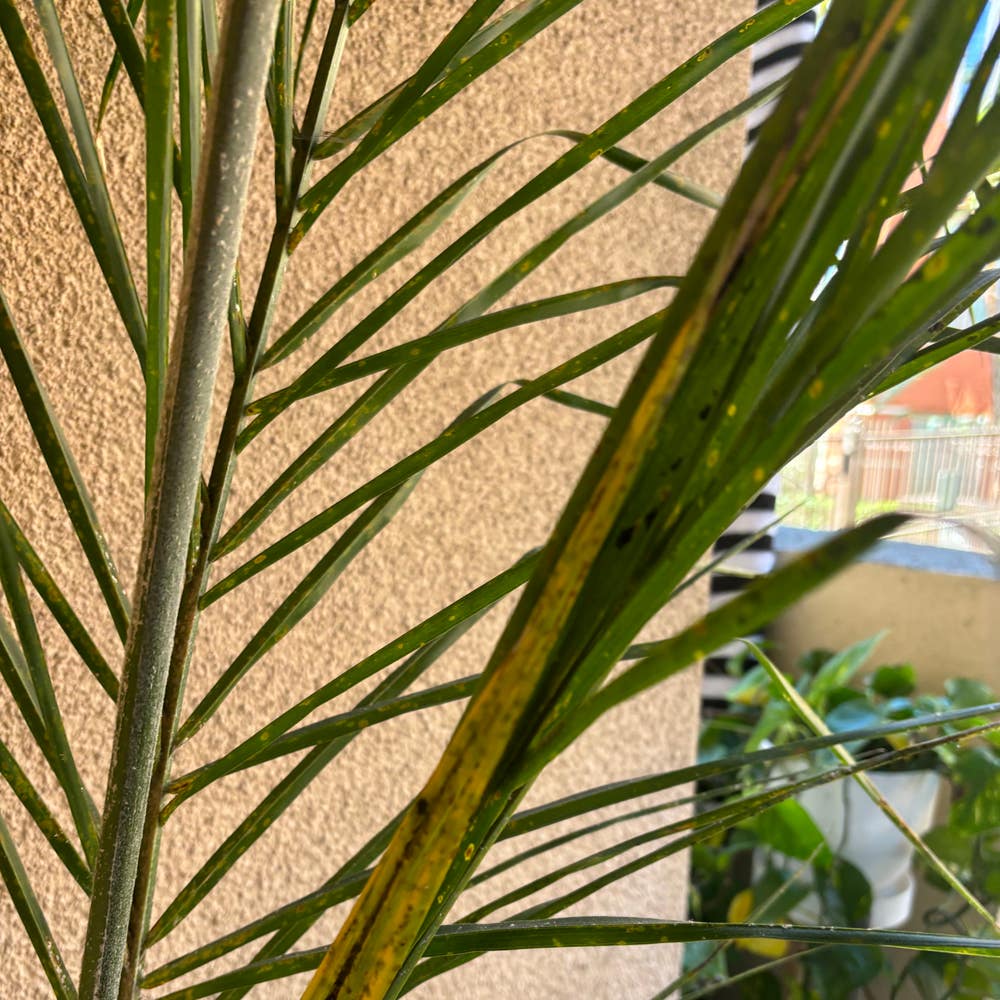
Ultimate Guide to Growing Coco Palm 🥥
Syagrus cocoides
By the Greg Editorial Team
Nov 23, 2024•5 min read
This article was created with the help of AI so we can cover more plants for you. May contain errors. See one? Report it here.
Cultivate a thriving coco palm 🌴 with expert tips for location, planting, and care to elevate your garden!
- 🌞 Coco palms need 6-8 hours of sunlight daily for optimal growth.
- 🌬️ Wind protection is crucial for young coco palms, especially in coastal areas.
- 🌱 Well-drained, sandy soil with pH 6.0-7.5 prevents root rot and promotes health.
Site Selection and Preparation
Choosing the Right Location 🌞
Selecting the right location is crucial for your coco palm's success. These palms thrive in full sun, requiring at least 6 to 8 hours of direct sunlight daily.
Wind protection is another key factor, especially in coastal areas where strong winds can damage young plants. Look for natural barriers like fences or other trees to shield your coco palm from harsh gusts.
Soil Preparation 🌱
The ideal soil for coco palms is sandy and well-drained. This type of soil prevents water from pooling, which can lead to root rot.
Aim for a soil pH between 6.0 and 7.5, as coco palms prefer slightly acidic to neutral conditions. To enhance soil fertility, consider adding organic matter such as compost or well-rotted manure. This will provide essential nutrients and improve soil structure, promoting healthy growth.
With the right location and soil preparation, your coco palm will be set up for a thriving life. Next, let’s dive into the planting process to ensure your palm gets off to a great start.
Planting
Step-by-Step Instructions 🌱
Planting your coco palm is a straightforward process that sets the stage for healthy growth. Start by choosing a site that receives full sun and has well-drained soil.
- Dig a Hole: Create a hole that is twice the width of the root ball and the same depth.
- Position the Plant: Place the plant in the hole, ensuring the top of the root ball is level with the soil surface.
- Backfill and Water: Fill the hole with soil and water thoroughly to eliminate air pockets.
Best Practices for Containers vs. Outdoors 🪴
When it comes to planting, the approach varies slightly between containers and outdoor settings.
- Container Planting: Opt for a large pot with drainage holes and fill it with a well-draining potting mix.
- Outdoor Planting: Ensure that you space your coco palms adequately, allowing 10-15 feet apart for larger varieties to thrive.
Spacing and Depth Considerations 📏
Proper spacing and depth are crucial for the growth of your coco palm.
- Spacing: For dwarf varieties, space them closer together at 6-8 feet apart. Tall varieties require more room to grow.
- Depth: Always plant at the same depth as the plant was in its nursery container to promote healthy root development.
With these planting guidelines, you're well on your way to cultivating a thriving coco palm. Next, let's explore the essential watering and fertilizing techniques to keep your palm healthy and vibrant.
Watering and Fertilizing
💧 Watering Requirements
Watering your coco palm is crucial for its health. Regular watering during dry spells is essential, but be cautious to avoid waterlogging, which can lead to root rot.
Signs of overwatering include yellowing fronds and mushy roots. If you notice these symptoms, adjust your watering schedule immediately to prevent further damage.
🌱 Best Practices for Fertilizing
To keep your coco palm thriving, establish a fertilization schedule. Aim to fertilize every 6-8 weeks during the growing season for optimal growth.
Choose slow-release fertilizers with balanced NPK ratios. This ensures your palm receives a steady supply of nutrients without the risk of burning its roots.
🛒 Recommended Products and Feeding Schedule
For effective fertilization, consider using products with NPK ratios like 8-2-10 or 10-10-10. These formulations provide the essential nutrients your palm needs.
When applying fertilizer, spread it evenly around the base of the plant and water it in thoroughly. This helps the nutrients penetrate the soil and reach the roots efficiently.
With proper watering and fertilizing, your coco palm will flourish, setting the stage for the next steps in its care. Let's dive into pruning and maintenance to ensure your palm remains healthy and vibrant!
Pruning and Maintenance
Importance of Pruning 🌱
Pruning is essential for the health of your coco palm. It encourages robust growth, removes dead fronds, and helps prevent diseases from taking hold.
Step-by-Step Pruning Techniques ✂️
To start pruning, gather your tools.
- Use clean, sharp pruning shears to ensure a clean cut.
- Remove any dead or yellowing fronds by cutting them at the base.
- Trim fronds that obstruct pathways or structures to maintain a tidy appearance.
Ongoing Care Routine 🕵️♂️
Regular inspections are crucial for spotting pests and diseases early.
- Keep an eye out for any unusual signs on your palm.
- Stick to a consistent watering and fertilizing schedule to support healthy growth.
By following these simple steps, you can ensure your coco palm thrives and remains a stunning focal point in your garden. Next, let's explore common challenges you might face and how to tackle them effectively.
Common Challenges and Solutions
🐛 Identifying Pests and Diseases
Coco palms can face several challenges, primarily from pests and diseases. Common pests include the coconut weevil, scale insects, and spider mites, all of which can damage your plant's health.
Diseases such as leaf blight and root rot can also pose significant threats. Recognizing these issues early is crucial for effective management.
🛠️ Solutions for Problems
Nutrient deficiencies often manifest as yellowing leaves. To address this, apply appropriate fertilizers that replenish essential nutrients.
For pest control, consider using insecticidal soap or neem oil. These solutions are effective and environmentally friendly, helping to keep your coco palm thriving.
🌱 Tips for Successful Container Growing
When growing coco palms in containers, size matters. Use a pot that is at least 18 inches deep to allow for proper root development.
Ensure your container has adequate drainage to prevent root rot. This is vital for maintaining healthy plants.
Lastly, think about mobility. Position your container for optimal sunlight and protection from cold winds to give your coco palm the best chance to flourish.
With these strategies, you can overcome common challenges and enjoy a thriving coco palm. Now, let’s explore the ongoing care routine to keep your plant healthy and vibrant.
⚠️ Safety First
This content is for general information and may contain errors, omissions, or outdated details. It is not medical, veterinary advice, or an endorsement of therapeutic claims.
Always consult a qualified healthcare professional before using any plant as food, medicine, or supplement.
Never eat any plant (or feed one to pets) without confirming its identity with at least two trusted sources.
If you suspect poisoning, call Poison Control (800) 222-1222, the Pet Poison Helpline (800) 213-6680, or your local emergency service immediately.
Spotted an error? Please report it here.
Grow your coco palms flourishingly 🌴 with Greg's tailored watering and fertilizing reminders to keep them thriving in your unique home environment!