🔍 Identifying What is Eating Your Snowbush
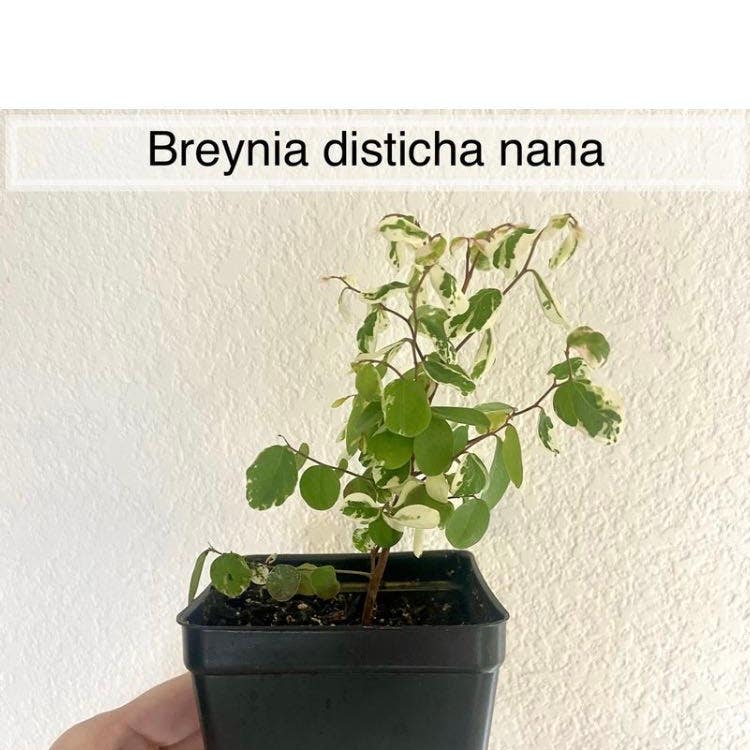
Breynia disticha
By the Greg Editorial Team
Sep 29, 2024•6 min read
This article was created with the help of AI so we can cover more plants for you. May contain errors. See one? Report it here.
Safeguard your snowbush 🌿 from herbivores while inviting beneficial wildlife for a vibrant garden ecosystem!
- 🌿 Snowbush attracts various herbivores, including deer, rabbits, and squirrels.
- 🚫 Effective deterrents like repellents and fencing can protect your snowbush.
- 🔍 Regular monitoring helps catch damage early and maintain plant health.
Description and Appeal of Snowbush
Appearance 🌿
Snowbush is a striking plant, known for its variegated leaves that showcase vibrant green and white patterns. Typically, it grows between 3 to 6 feet tall, making it a versatile addition to any garden.
Seasonal changes bring even more charm, as the leaf colors shift throughout the year. This dynamic quality keeps the snowbush visually appealing, no matter the season.
Most Appealing Parts to Animals 🐾
The young shoots of the snowbush are particularly enticing, offering tender and nutritious bites for various herbivores.
Additionally, its small, colorful berries attract a range of wildlife, while the attractive blooms draw in pollinators and other animals, creating a lively ecosystem around the plant.
This combination of features not only enhances the garden's beauty but also supports local wildlife, making snowbush a beloved choice for many gardeners.
As we explore the common herbivores that affect snowbush, understanding its appeal will help us devise effective protection strategies.
Common Herbivores Affecting Snowbush
🦌 Deer
Signs of Presence and Damage Caused
Deer are notorious for their browsing habits. Look for jagged edges on leaves and stripped branches, along with hoof prints in muddy areas.
Beneficial vs. Harmful Interaction
While deer can be a beautiful sight, they are generally harmful to snowbush. Their feeding can severely damage or even kill young plants.
Deterrent Methods
To keep deer at bay, consider using commercial deer repellents. Alternatively, planting strong-smelling herbs like lavender nearby can act as a natural deterrent.
🐇 Rabbits
Signs of Presence and Damage Caused
Rabbits leave clear signs of their presence. You might notice clean cuts on young shoots and small, pellet-like droppings near the plant.
Beneficial vs. Harmful Interaction
Rabbits are generally harmful as they can stunt growth and reduce the vigor of your snowbush. Their nibbling can quickly turn into a serious issue.
Deterrent Methods
For an easy solution, try rabbit repellents with strong scents. Fencing that’s 2-3 feet high and using predator urine can also help keep them away.
🐿️ Squirrels
Signs of Presence and Damage Caused
Squirrels can be quite destructive. Look for bark stripping on the trunk and branches, along with chewed twigs and debris around the base.
Beneficial vs. Harmful Interaction
These critters are generally harmful, as their activities can weaken the plant structure. A healthy snowbush is not their priority.
Deterrent Methods
Bitter-tasting sprays can deter squirrels effectively. Additionally, installing squirrel-proof feeders can distract them from your plants.
🐦 Birds
Signs of Presence and Damage Caused
Birds can leave their mark too. Look for peck marks on leaves or fruits and signs of nesting in or around the plant.
Beneficial vs. Harmful Interaction
While birds can cause some damage, they are generally beneficial. They assist with pollination and seed dispersal, playing a vital role in the ecosystem.
Deterrent Methods
To manage birds, consider using non-toxic bird deterrents. Scare tactics like reflective tape or wind chimes can also be effective.
🐭 Rodents (Mice, Voles, etc.)
Signs of Presence and Damage Caused
Rodents can be sneaky. Look for gnaw marks on roots and stems, as well as small burrows near the base of the plant.
Beneficial vs. Harmful Interaction
Rodents are generally harmful, as they can cause significant root damage. Their presence can lead to serious issues for your snowbush.
Deterrent Methods
Using rodent bait stations can be effective. Alternatively, traps and natural repellents like peppermint oil can help keep them away.
🦡 Groundhogs/Woodchucks
Signs of Presence and Damage Caused
Groundhogs leave large burrows near the base of the plant. You may also notice significant leaf and stem damage from their grazing.
Beneficial vs. Harmful Interaction
These animals are generally harmful and can decimate young plants. Their appetite can quickly turn your garden into a buffet.
Deterrent Methods
For groundhogs, commercial repellents can be useful. Organic options include fencing that’s 3-4 feet high and motion-activated sprinklers to deter them.
Understanding these common herbivores and their impact on snowbush is crucial for maintaining a healthy garden. Next, we’ll explore the beneficial animals that can enhance your garden ecosystem.
Beneficial Animals and Ecosystem Role
🐝 Description of Beneficial Animals Attracted to Snowbush
Snowbush isn't just a feast for herbivores; it also attracts a host of beneficial animals. Pollinators like bees and butterflies flock to its flowers, playing a crucial role in the plant's reproduction.
Birds are another key player in this ecosystem. They act as seed dispersers, helping propagate the snowbush and ensuring its continued growth in your garden.
🌿 Positive Impacts on the Garden Ecosystem
The presence of these beneficial animals enhances biodiversity. By attracting a variety of wildlife, snowbush contributes to a more vibrant and balanced ecosystem.
Moreover, these animals provide natural pest control. Birds and beneficial insects prey on harmful pests, reducing the need for chemical interventions and promoting a healthier garden environment.
Incorporating snowbush into your landscape not only beautifies your space but also supports a thriving ecosystem. This balance is vital for maintaining plant health while minimizing damage from less desirable visitors.
As we explore further, let’s look at general strategies for protecting your snowbush from those pesky herbivores.
General Strategies for Protection
🛡️ Preventive Measures for Protecting Snowbush
To safeguard your snowbush, consider installing fencing. A sturdy barrier can effectively keep larger herbivores at bay.
Companion planting is another smart strategy. By surrounding your snowbush with plants that deter herbivores, you create a natural defense system.
⚠️ Reactive Solutions for Managing Animal Interactions
Monitoring your snowbush regularly is crucial. Keep an eye out for signs of damage to catch any issues early.
When you notice damage, act quickly. Using deterrents immediately can help mitigate further harm to your plants.
🌦️ Seasonal Variations in Animal Attraction to Snowbush
Be aware that animal activity varies with the seasons. In spring, young herbivores are particularly active, seeking tender shoots.
As fall approaches, animals forage more aggressively in preparation for winter. This increased activity can lead to more damage if not managed properly.
By implementing these strategies, you can protect your snowbush while fostering a healthy garden ecosystem. Next, we’ll explore the toxicity of snowbush and its ecological implications.
Toxicity and Ecological Considerations
🐾 Toxic Effects of Snowbush on Animals
Snowbush possesses mild toxicity, which can deter some herbivores from munching on its leaves. While not lethal, sensitive animals may experience gastrointestinal upset if they consume too much.
🌱 Importance of Maintaining a Balanced Garden Ecosystem
Herbivores play a crucial role in nutrient cycling and overall plant health. By managing interactions effectively, you can ensure that beneficial animals thrive while minimizing damage from those that are harmful.
This balance is essential for a thriving garden, where every creature contributes to the ecosystem's richness. Understanding these dynamics helps you cultivate a space that is both beautiful and resilient.
⚠️ Safety First
This content is for general information and may contain errors, omissions, or outdated details. It is not medical, veterinary advice, or an endorsement of therapeutic claims.
Always consult a qualified healthcare professional before using any plant as food, medicine, or supplement.
Never eat any plant (or feed one to pets) without confirming its identity with at least two trusted sources.
If you suspect poisoning, call Poison Control (800) 222-1222, the Pet Poison Helpline (800) 213-6680, or your local emergency service immediately.
Spotted an error? Please report it here.
Keep your snowbush thriving and protected 🛡️ from herbivores by using Greg for personalized tips and reminders that ensure your plant stays safe and stunning!