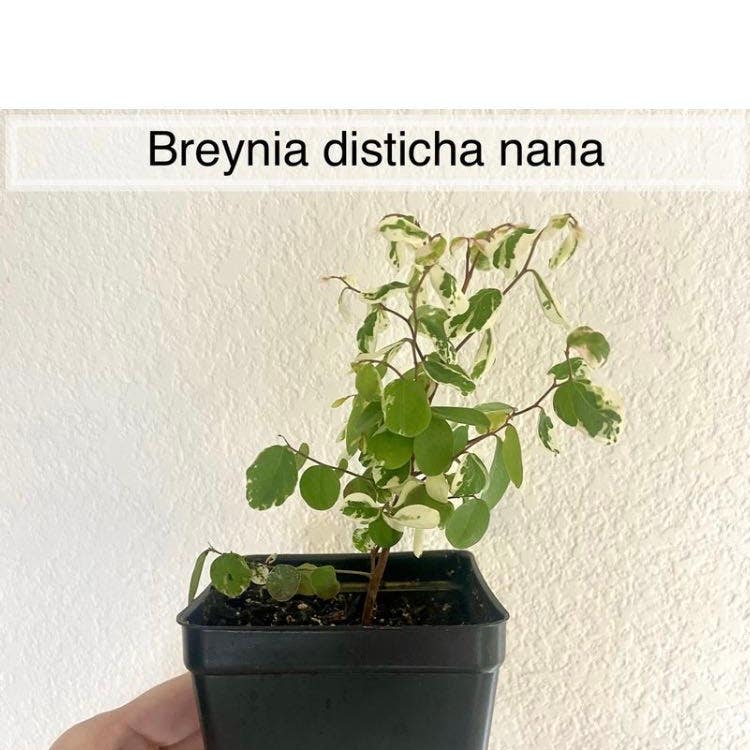
Fertilizing My Brenia Snowbush to Double Its Growth
Breynia disticha
By the Greg Editorial Team
Jun 18, 2024•3 min read
This article was created with the help of AI so we can cover more plants for you. May contain errors. See one? Report it here.
Discover how to double your Snowbush's lushness with smart fertilizing! 🌿✨
- 🌱 Balanced N-P-K diet is crucial for Brenia Snowbush's heavy feeding needs.
- Slow-release fertilizers preferred to avoid nutrient burn and ensure steady growth.
- Seasonal fertilizing: Max growth in spring/summer, rest in fall/winter.
Picking the Perfect Fertilizer for Your Brenia Snowbush
💡 Understanding Nutrient Needs
N-P-K ratios are the backbone of plant nutrition, and your Brenia Snowbush is no exception. It's a heavy feeder, craving a balanced diet to support its lush foliage and vibrant growth. The right blend of nitrogen (N), phosphorus (P), and potassium (K) is critical, with an emphasis on nitrogen to fuel those eye-catching leaves. Don't skimp on micronutrients either; iron and magnesium are like the secret sauce for your Snowbush's health.
🌱 Top Fertilizer Picks
When it comes to choosing between slow-release and liquid fertilizers, think marathon versus sprint. Slow-release fertilizers are the tortoises of the nutrient world, providing a steady supply of goodness without overwhelming your plant. Liquid fertilizers, on the other hand, are the hares, offering a quick nutrient boost. For your Brenia Snowbush, a balanced, granular slow-release fertilizer is the ticket, ensuring a consistent feed without the risk of nutrient burn.

Timing is Everything: When to Fertilize for Maximum Impact
💪 Growth Season Guidelines
To maximize growth, fertilize your Brenia Snowbush during its active growing season, which typically spans spring and summer. This is when your plant is in high gear, pushing out lush foliage and demanding more nutrients to support its rapid development.
Off-Season Tips
Come fall and winter, it's time to ease off the fertilizer. Your Snowbush's growth slows as it enters a period of rest. Continuing to fertilize heavily can lead to nutrient buildup and potential harm, so let your spreader hibernate too. This downtime is crucial for the plant to conserve energy for the next growth cycle.

Fertilizer Application: Doing it Right
💡 Dosage and Distribution
Measuring the correct amount of fertilizer is crucial to avoid the dreaded fertilizer burn. For Brenia Snowbush, follow the guidance of a soil test or use general recommendations, such as applying 2 pounds of a balanced fertilizer per 100 square feet. Spread the granules evenly over the root zone, avoiding direct contact with the leaves to prevent scorching.
🌿 Special Considerations for Potted Plants
Potted Brenia Snowbush requires a tailored fertilization approach. Use a water-soluble or liquid fertilizer to ensure even distribution within the limited soil volume. Start with a reduced dosage from what's recommended on the label, as the confined space can intensify the effects of over-fertilization. Remember, less is often more when it comes to feeding your potted Snowbush.

Dealing with Too Much Love: Over-Fertilization and Its Fixes
🚩 Spotting Trouble
Recognizing when your Brenia Snowbush has had a bit too much nutrient love is key. Leaf browning at the tips or margins is your plant's way of waving a white flag. A white, crusty layer of salt on the soil's surface or pot edges is another telltale sign. If your Snowbush's leaves are turning a darker green than usual or you see brown spots, it's time to reassess your fertilization strategy.
🚑 Quick Remedies
When you've crossed the line into over-fertilization, it's time for some plant first aid. Leaching the soil by running water through it can flush out those excess salts—think of it as a detox for your Snowbush's roots. If the situation is dire, repotting with fresh soil might be the best way to give your plant a clean start. And remember, sometimes the best remedy is to simply give your Snowbush a break from fertilization to recover from the nutrient shock.
⚠️ Safety First
This content is for general information and may contain errors, omissions, or outdated details. It is not medical, veterinary advice, or an endorsement of therapeutic claims.
Always consult a qualified healthcare professional before using any plant as food, medicine, or supplement.
Never eat any plant (or feed one to pets) without confirming its identity with at least two trusted sources.
If you suspect poisoning, call Poison Control (800) 222-1222, the Pet Poison Helpline (800) 213-6680, or your local emergency service immediately.
Spotted an error? Please report it here.
Double your Brenia Snowbush's growth 🌱 with Greg's personalized fertilization reminders, ensuring you never over or underfeed your lush companion.