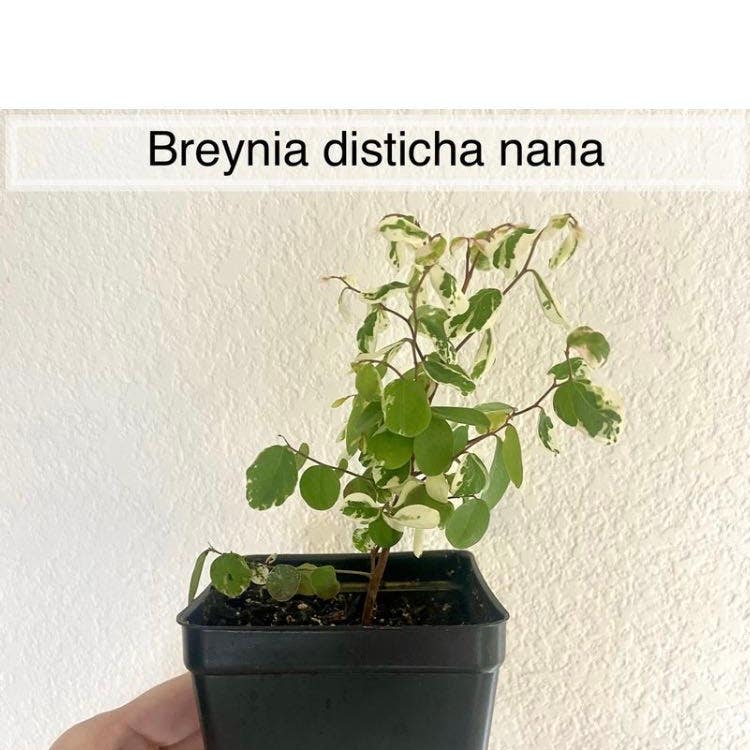
Why Are My Brenia Snowbush Leaves Falling Over?
Breynia disticha
By the Greg Editorial Team
Jun 18, 2024•4 min read
This article was created with the help of AI so we can cover more plants for you. May contain errors. See one? Report it here.
Prevent the Snowbush droop 🍂 and ensure lush, upright growth with these expert care tips!
- 🌧️ Overwatering causes yellowing leaves and root rot in Snowbush plants.
- ☀️🌡️ Bright, indirect light and stable temperatures are crucial for health.
- 🌿 Monthly fertilization with balanced nutrients keeps leaves vibrant.
Spotting the Signs: When Your Snowbush Leaves Start to Droop
🚰 Identifying Overwatering and Its Telltale Symptoms
Yellowing leaves are your Snowbush's way of waving a white flag. If the soil feels like a wet sponge, it's time to dial back the waterworks. Root rot is the grim reaper of plant woes, turning roots into mushy casualties of your overzealous watering.
🍂 The Soggy Consequences: Root Rot and Leaf Collapse
Root rot doesn't just smell like defeat; it looks like it too, with roots turning as brown and soft as overripe fruit. When your Snowbush's support system gives out, expect a leafy faceplant.
💧 The Thirsty Plant: Underwatering Woes
A Snowbush gasping for water is as pitiful as a fish out of water. Leaves droop, begging for a drink, and the plant's vibrancy fades faster than a cheap dye job.
🌱 How Neglecting the Water Can Lead to a Leafy Letdown
Ignore your Snowbush's hydration needs, and you'll witness a slow-motion collapse. Leaves drop like flies, and growth grinds to a halt as if the plant's on strike. Remember, your Snowbush isn't a cactus; it can't thrive on neglect.

The Environmental Effect: Light and Temperature Troubles
🌞 Too Much Sun or Not Enough? Finding the Sweet Spot
Bright, indirect light is the holy grail for Brenia Snowbush plants. Direct sunlight is like a no-holds-barred roast, while too little light is akin to keeping your plant in the witness protection program—neither will do. Scorching sun can bleach your plant's vibrant colors, leaving it with a sunburnt look, while insufficient light leads to a lackluster, droopy demeanor.
❄️ Weathering the Temperature: Avoiding Extremes
Your Snowbush doesn't appreciate temperature roller coasters. Stable temperatures between 15-23ºC are the comfort zone; anything outside of this range and you're asking for drama. Cold snaps can turn leaves into a sorrowful brown, a sign of a plant in distress. On the flip side, too much heat and your Snowbush might wilt like it's begging for an oasis. Keep it away from drafts and direct heat sources—think cozy nook, not desert dunes or arctic tundra.

Feeding Your Snowbush: Nutrient Needs and Deficiencies
💪 The Balanced Diet: Fertilizing for Firm Leaves
Nutrients are the lifeblood of your Snowbush, and getting the mix right is like hitting the jackpot for leaf stability. This plant is a heavy feeder, craving a monthly dose of fertilizer to keep its leaves perky. Think of it as a monthly subscription to Leaf Health Magazine, where every issue is a burst of growth.
🍽️ What nutrients does your Snowbush crave?
Your Snowbush isn't picky but it does need a balanced meal. A fertilizer rich in nitrogen, phosphorus, and potassium—the plant-world's NPK—is like a well-rounded diet for humans. It's the steak, potatoes, and greens that keep your Snowbush thriving.
🍃 Reading the leaves: What they tell you about their diet.
Leaves are the tattletales of the plant kingdom. Yellowing leaves might be screaming for nitrogen, while a general lack of vigor could mean it's time to up the phosphorus. It's a bit like a plant mood ring—pay attention to the colors and they'll tell you what's needed. Remember, overfeeding is as harmful as underfeeding; it's all about finding that sweet spot.

Turning Over a New Leaf: Recovery and Prevention Strategies
💧 Watering Wisdom: Fine-Tuning Your Technique
Watering is more art than science. Check the soil's dryness before watering; your Snowbush dislikes soggy feet.
The art of watering: When and how much?
Water only when the top inch of soil feels dry. Less is more during winter months—your plant isn't chugging water like it's summer.
Tools and tricks for keeping soil moisture just right
Use a moisture meter or your trusty finger to gauge wetness. Consider self-watering pots to automate the process and reduce guesswork.
🌿 Creating the Ideal Snowbush Sanctuary
A Snowbush thrives with proper support from its environment.
Picking the perfect pot and soil mix for sturdy support
Choose a pot with drainage holes and use a well-draining soil mix. Adding perlite can improve aeration and prevent waterlogging.
Location, location, location: Where to place your Snowbush for best results
Bright, indirect light is your Snowbush's happy place. Avoid dark corners and direct, scorching sunlight to prevent droop drama.
⚠️ Safety First
This content is for general information and may contain errors, omissions, or outdated details. It is not medical, veterinary advice, or an endorsement of therapeutic claims.
Always consult a qualified healthcare professional before using any plant as food, medicine, or supplement.
Never eat any plant (or feed one to pets) without confirming its identity with at least two trusted sources.
If you suspect poisoning, call Poison Control (800) 222-1222, the Pet Poison Helpline (800) 213-6680, or your local emergency service immediately.
Spotted an error? Please report it here.
Avoid the droop in your Snowbush by letting Greg tailor a watering plan 🌱 that adapts to your home's unique environment, preventing over or underwatering and promoting lush, healthy growth.