❄️ How to Cure Leaves Falling Over on Your Snowbush
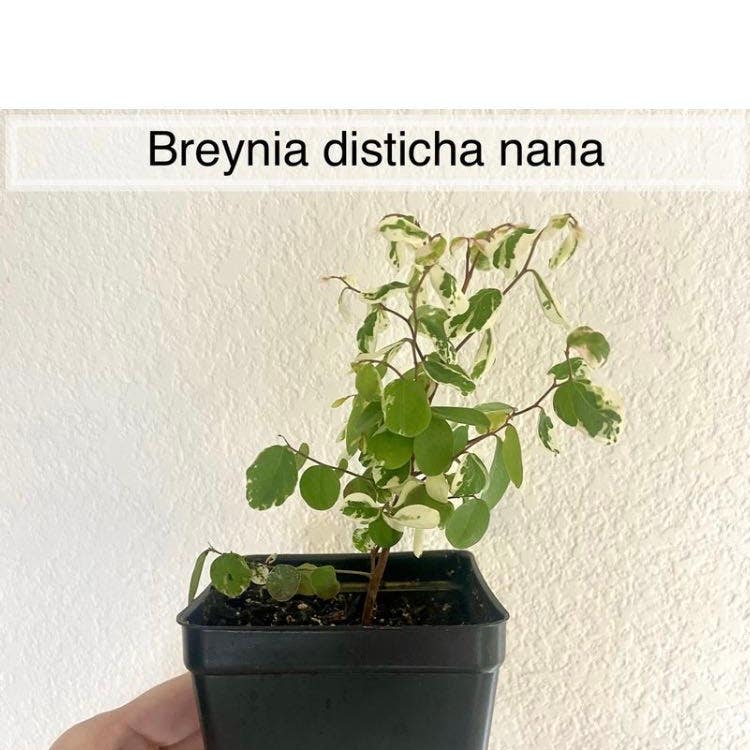
Breynia disticha
By the Greg Editorial Team
Sep 29, 2024•4 min read
This article was created with the help of AI so we can cover more plants for you. May contain errors. See one? Report it here.
Transform your Snowbush from droopy to dazzling 🌿 with these essential diagnosis and care tips for thriving plants!
- 🌱 Recognize leaf drop symptoms like yellowing and wilting to diagnose issues.
- 💧 Monitor soil moisture and adjust watering every 1-2 weeks for optimal health.
- ☀️ Ensure adequate light exposure by adjusting placement or using grow lights.
Diagnosing the Problem
Identifying Symptoms of Leaf Drop 🌿
When your Snowbush starts dropping leaves, it's crucial to recognize the visual signs. Look for yellowing leaves, wilting, and leaf curl, as these are often indicators of stress.
Timing also plays a role in leaf drop. Seasonal patterns can reveal whether the issue is environmental or a response to changing conditions.
Assessing Environmental Conditions 🌤️
Next, assess the environmental conditions affecting your plant. Start with light exposure; measure how much sunlight your Snowbush receives throughout the day.
Watering practices are equally important. Check the soil moisture levels to ensure your plant isn't too dry or overly saturated.
Humidity levels can also impact your Snowbush. Use a hygrometer to monitor conditions, as low humidity can lead to leaf drop.
Checking for Pests and Diseases 🐛
Inspect your Snowbush for pests and diseases. Use a magnifying glass to examine leaves and stems closely for any signs of infestation.
Identifying disease symptoms is essential too. Look for patterns of damage, such as spots or discoloration, which can indicate specific issues that need addressing.
By thoroughly diagnosing these problems, you can take the necessary steps to restore your Snowbush to health. Next, we’ll explore effective treatment and prevention strategies.
Treatment and Prevention
Step-by-Step Guide to Treating Leaf Drop 🌿
To tackle leaf drop effectively, start by identifying the cause. It could be environmental factors, pests, or diseases affecting your Snowbush.
Once you pinpoint the issue, adjust your care practices accordingly. This might involve changing watering habits or improving light exposure.
Finally, monitor your plant's response over the following weeks. This will help you determine if your adjustments are making a positive impact.
Adjusting Watering Practices 💧
Watering frequency is crucial for your Snowbush's health. Aim to water every 1-2 weeks, adjusting based on the soil's moisture level.
Be vigilant for signs of overwatering or underwatering. Yellowing leaves can indicate overwatering, while wilting may suggest the plant is thirsty.
Improving Soil Conditions for Better Drainage 🪴
The right soil type can make a world of difference. Use a well-draining potting mix to ensure your Snowbush thrives.
To enhance drainage, consider adding perlite or sand to your soil. This will help prevent waterlogging and promote healthy root growth.
Recommended Fertilizers for Healthy Growth 🌱
Fertilization is key to maintaining a vibrant Snowbush. Opt for balanced NPK fertilizers to provide essential nutrients.
Establish a fertilization schedule, applying nutrients every 4-6 weeks during the growing season. This will support robust growth and help prevent leaf drop.
With these treatment and prevention strategies in place, your Snowbush will be on the path to recovery. Next, let’s explore long-term care strategies to keep your plant thriving year-round.
Long-term Care Strategies
🌸 Seasonal Care Tips
Spring is the perfect time for repotting and fertilizing your Snowbush. Fresh soil and nutrients will invigorate your plant as it enters its growing season.
In summer, keep a close eye on pests and adjust your watering routine as temperatures rise. Regular checks will help you catch any issues before they escalate.
As fall and winter approach, reduce watering to prevent root rot. Protect your Snowbush from cold drafts to ensure it stays healthy during the colder months.
💡 Best Practices for Maintaining Optimal Light Conditions
Adjusting your plant's placement can make a world of difference. Ensure your Snowbush receives adequate sunlight exposure for optimal growth.
If natural light falls short, consider using grow lights. They can provide the extra boost your plant needs to thrive indoors.
🐞 Regular Pest Control Measures
Preventative treatments like neem oil and insecticidal soap are essential for keeping pests at bay. These natural options are effective and safe for your Snowbush.
Establish a monitoring schedule with regular inspections every 1-2 weeks. This proactive approach will help you maintain a healthy plant and catch any issues early on.
By implementing these long-term care strategies, you'll set your Snowbush up for success. With the right attention and care, it can flourish beautifully in your home.
⚠️ Safety First
This content is for general information and may contain errors, omissions, or outdated details. It is not medical, veterinary advice, or an endorsement of therapeutic claims.
Always consult a qualified healthcare professional before using any plant as food, medicine, or supplement.
Never eat any plant (or feed one to pets) without confirming its identity with at least two trusted sources.
If you suspect poisoning, call Poison Control (800) 222-1222, the Pet Poison Helpline (800) 213-6680, or your local emergency service immediately.
Spotted an error? Please report it here.
Revive your Snowbush and keep it thriving 🌿 with Greg's personalized care tips and watering reminders that ensure your plant gets the attention it deserves!