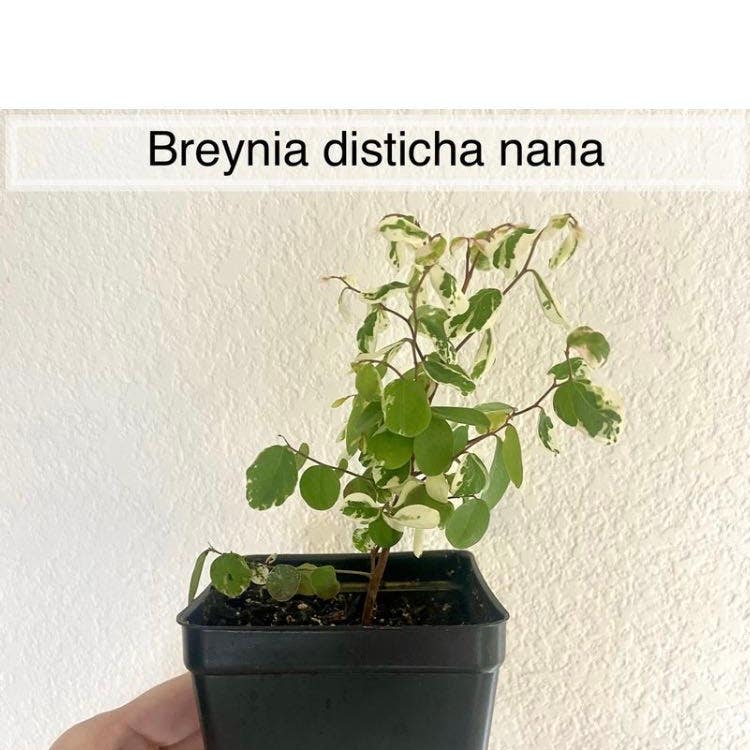
❄️ How to Fix Brown Spots on Your Snowbush
Breynia disticha
By the Greg Editorial Team
Sep 29, 2024•5 min read
This article was created with the help of AI so we can cover more plants for you. May contain errors. See one? Report it here.
Revive your Snowbush and banish brown spots 🌱 with these essential care tips for vibrant, healthy leaves!
- 🌱 Brown spots on Snowbush arise from pests, diseases, or environmental stress.
- 🐜 Common pests like aphids leave sticky residue; treat with insecticidal soap.
- 💧 Watering balance is key; overwatering causes root rot, while underwatering leads to browning.
Common Causes of Brown Spots
🐞 Pests
Brown spots on your Snowbush can often be traced back to pesky pests.
Aphids are a common culprit, leaving behind a sticky residue and causing leaves to curl. If you notice these signs, it’s time to take action.
Spider mites are another threat. Look for fine webbing and stippled leaves, which indicate their presence.
🦠 Diseases
Fungal infections can also lead to brown spots. Symptoms include dark, water-soaked spots that can spread quickly if not addressed.
Bacterial infections often manifest as wet, dark lesions. Both types of diseases require prompt attention to prevent further damage.
🌧️ Environmental Stress
Environmental factors play a significant role in the health of your Snowbush.
Overwatering is a leading cause of root rot, which can result in leaf issues. Ensure you’re not drowning your plant.
On the flip side, underwatering can cause leaves to wilt and turn brown. Finding the right balance is crucial.
Temperature fluctuations can also stress your plant. Sudden changes in temperature can lead to browning leaves, so keep an eye on the weather.
Understanding these common causes is the first step in treating and preventing brown spots on your Snowbush. Next, we’ll explore effective treatment options to restore your plant’s health.
Treating Brown Spots
Step-by-Step Guide to Treatment 🛠️
Treating brown spots on your Snowbush starts with identifying the cause. This crucial first step helps you choose the right treatment.
Next, remove any affected leaves. This simple action prevents the spread of issues to healthy parts of the plant.
Finally, apply appropriate treatments based on your diagnosis. Tailoring your approach ensures the best chance of recovery.
Recommended Treatments for Pests 🐛
For pest control, insecticidal soap is a go-to option. Apply it every 7 to 14 days, ensuring thorough coverage on both sides of the leaves.
Neem oil is another effective treatment. Mix it according to the instructions and spray it on your plant, focusing on areas where pests are visible.
Recommended Treatments for Diseases 🦠
When it comes to diseases, fungicides can be your best friend. Choose a type suitable for your specific issue and follow the application guidelines closely.
Pruning affected leaves is also essential. Use clean, sharp tools to remove any diseased foliage, ensuring you cut back to healthy tissue.
By following these steps, you can effectively treat brown spots and help your Snowbush thrive once again. Next, let’s explore how to prevent these issues from arising in the first place.
Preventing Brown Spots
🌊 Best Practices for Watering
Maintaining consistent moisture is crucial for your Snowbush. Aim to water when the top inch of soil feels dry, ensuring the plant gets enough hydration without drowning.
Be vigilant for signs of overwatering, such as yellowing leaves or water pooling at the base. Conversely, underwatering can lead to wilting and browning, so keep an eye on your plant's hydration levels.
🌱 Importance of Proper Fertilization
Choosing the right fertilizer can make all the difference. Opt for balanced fertilizers that provide essential nutrients, promoting vibrant growth and healthy leaves.
During the growing season, a monthly fertilization schedule is recommended. This routine helps your Snowbush thrive, ensuring it has the nutrients it needs to resist brown spots.
☀️ Optimal Sunlight Conditions
Snowbushes thrive in full sun but can tolerate partial shade. Ensure your plant receives at least six hours of sunlight daily for optimal health.
Watch for signs of inadequate sunlight, like leaf discoloration or stretching. These indicators suggest your Snowbush may need a brighter spot to flourish.
By following these preventive measures, you can significantly reduce the risk of brown spots on your Snowbush. Next, let’s explore the environmental factors that can impact leaf health.
Environmental Factors Affecting Leaf Health
🌫️ Impact of Humidity and Temperature
Maintaining the right humidity is crucial for your Snowbush. Aim for levels between 50% and 70% to keep your plant thriving.
Temperature also plays a significant role. The ideal range is between 20°C and 30°C (68°F to 86°F). Extreme fluctuations can stress your plant, leading to brown spots.
🌱 Soil Quality and Drainage Considerations
Well-draining soil is essential for healthy Snowbush growth. A mix that includes peat moss, perlite, and compost can provide the right balance of moisture retention and drainage.
Watch for signs of poor drainage, such as water pooling on the surface or root rot. These issues can quickly lead to more severe problems, including brown spots on leaves.
By understanding these environmental factors, you can create a healthier environment for your Snowbush. This proactive approach will help prevent brown spots and ensure vibrant foliage.
Next, let’s explore best practices for watering your Snowbush effectively.
Common Misconceptions
💧 Myths About Watering Frequency
One common myth is that Snowbush plants thrive in soggy soil. In reality, they prefer consistent moisture without waterlogging, which can lead to root rot.
Always check the soil moisture before watering. This simple step ensures your plant gets just the right amount of hydration.
☀️ Misunderstandings Regarding Sunlight Needs
Another misconception is that Snowbush can flourish in full shade. While they can tolerate some shade, they actually thrive in bright, indirect sunlight.
Gradual acclimatization to sunlight is crucial. If you suddenly expose your Snowbush to intense light, it may suffer from leaf burn.
🌱 Clarifying the Role of Fertilization
Many gardeners underestimate the nutrient needs of Snowbush. These plants benefit from balanced fertilization to maintain vibrant leaf color and overall health.
A regular fertilization schedule is essential. Aim for monthly applications during the growing season to keep your Snowbush thriving.
Understanding these misconceptions can significantly improve your Snowbush care. With the right knowledge, you can ensure your plant remains healthy and vibrant.
⚠️ Safety First
This content is for general information and may contain errors, omissions, or outdated details. It is not medical, veterinary advice, or an endorsement of therapeutic claims.
Always consult a qualified healthcare professional before using any plant as food, medicine, or supplement.
Never eat any plant (or feed one to pets) without confirming its identity with at least two trusted sources.
If you suspect poisoning, call Poison Control (800) 222-1222, the Pet Poison Helpline (800) 213-6680, or your local emergency service immediately.
Spotted an error? Please report it here.
Transform your Snowbush from spotted to stunning 🌿 by using Greg's tailored watering and care reminders to keep it thriving in optimal conditions!