❄️ Why Snowbush is Considered Invasive
Breynia disticha
By the Greg Editorial Team
Sep 29, 2024•7 min read
This article was created with the help of AI so we can cover more plants for you. May contain errors. See one? Report it here.
Protect our native ecosystems from Snowbush's invasion—learn why it matters! 🌱
- 🌱 Snowbush is invasive, rapidly spreading and harming local ecosystems.
- ⚔️ It competes fiercely with native plants, reducing biodiversity and altering habitats.
- 🛠️ Effective control methods include manual removal and careful herbicide application.
Plant Classification
🌱 Definition of Invasive Species and Weeds
Invasive species are non-native plants that spread aggressively, disrupting local ecosystems. Weeds, on the other hand, are plants that grow where they aren't wanted, often competing with cultivated plants for resources.
❄️ Criteria for Classifying Snowbush as Invasive
Snowbush meets several criteria that classify it as invasive.
Rapid Spread: It has a high reproductive capacity, producing numerous seeds and propagating vegetatively.
Competitive Nature: This plant can outcompete native flora, leading to a significant reduction in biodiversity.
Ecological Impact: Snowbush negatively affects local ecosystems and native plant communities, altering the balance of the environment.
Understanding these classifications helps highlight the urgency of addressing Snowbush's spread. The next section will delve into how to identify this invasive species effectively.
Identification
Key Identifying Features 🌿
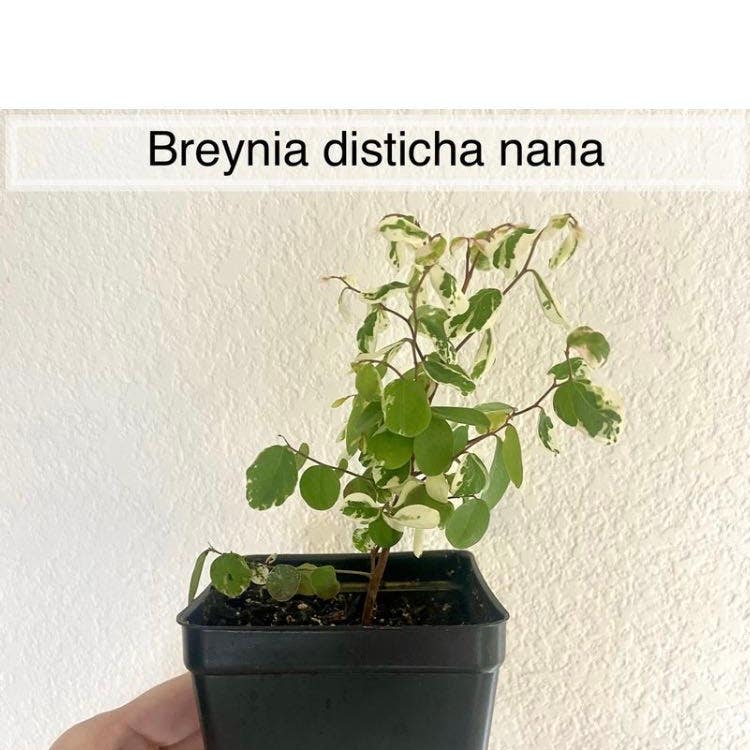
Snowbush is easily recognized by its broad, ovate leaves that boast a glossy sheen. These leaves can often be mistaken for those of other shrubs, but their distinctive shape sets them apart.
The flowers of Snowbush are small and inconspicuous, making them easy to overlook. While they may not catch your eye, their presence is a key indicator of this invasive species.
Look-Alike Plants 👀
When identifying Snowbush, it's crucial to compare it with similar species. Look for differences in leaf shape and flower structure to avoid confusion with native plants.
Visual cues can help you differentiate Snowbush from its look-alikes. Pay attention to growth patterns; Snowbush typically grows taller and spreads more aggressively than many native shrubs.
Understanding these identifying features and comparisons will empower you to recognize Snowbush in your environment. This knowledge is essential for effective management and control of this invasive species.
Growth Habits and Spread
Typical Growth Patterns 🌱
Snowbush is known for its rapid growth, often establishing itself quickly in disturbed areas. This fast-growing shrub can reach heights of up to 6 feet and spreads widely, making it a formidable presence in any landscape.
Reproductive Strategies 🌼
One of the key factors contributing to Snowbush's invasiveness is its prolific seed production. It generates a high volume of seeds, which significantly aids in its rapid spread across various environments.
Additionally, Snowbush can reproduce vegetatively, meaning it can propagate from cuttings and root fragments. This ability allows it to establish new plants even in less-than-ideal conditions.
Environmental Conditions Favoring Growth 🌍
Snowbush thrives in a variety of soil types, including those that are poor in nutrients. Its adaptability to different soil conditions makes it resilient and difficult to control.
While it prefers warm, tropical climates, Snowbush can also adapt to other environmental conditions. This versatility further enhances its potential to invade and dominate new areas.
Understanding these growth habits and reproductive strategies is crucial for effective management. With this knowledge, we can better address the challenges posed by Snowbush and protect our native ecosystems.
Ecological Impact
🌱 Effects on Native Plant Communities
Snowbush aggressively competes with native species for essential resources like sunlight, water, and nutrients. This competition can lead to significant biodiversity loss, as native plants struggle to survive in the face of such an invasive presence.
Moreover, the introduction of Snowbush alters the natural habitats, changing the structure and composition of local plant communities. This disruption can have cascading effects on the entire ecosystem, affecting everything from soil health to animal populations.
🦋 Impact on Wildlife and Biodiversity
The presence of Snowbush disrupts food webs by reducing the availability of native plants that serve as food for herbivores. As these native plants decline, so too do the animals that rely on them, leading to a ripple effect throughout the ecosystem.
Additionally, habitat alteration caused by Snowbush can change the living conditions for various wildlife species. This can result in decreased populations of native fauna, as they struggle to adapt to the new environmental conditions created by this invasive shrub.
🌊 Influence on Soil and Water Resources
Snowbush can lead to soil degradation by altering the composition and nutrient cycling within the ecosystem. Its aggressive growth can strip the soil of essential nutrients, making it less hospitable for native plants.
Furthermore, Snowbush's increased water consumption can significantly affect local hydrology. As it thrives in various conditions, it can outcompete native plants that are more adapted to the local moisture levels, leading to potential water shortages for other species in the area.
In summary, the ecological impact of Snowbush is profound, affecting not just plant communities but also wildlife and essential resources. Understanding these effects is crucial for effective management and control strategies, which we will explore next.
Control and Management
👐 Manual Removal Techniques
Manual removal is a straightforward approach to controlling Snowbush, especially for small infestations. Hand-pulling can be effective, but it requires moderate effort to ensure that the roots are fully extracted.
For larger infestations, digging out the roots is crucial. This method is more challenging but guarantees complete removal, preventing any chance of regrowth.
🧪 Chemical Control Options
Herbicide application is another viable strategy for managing Snowbush. It's essential to choose the right products and follow recommended application methods for optimal results.
Timing is key when using herbicides. Applying them during the plant's active growth phase maximizes their effectiveness, ensuring a more successful eradication.
🦠 Biological Control Methods
Introducing natural predators can offer a sustainable solution to Snowbush management. While this method has potential benefits, it also comes with challenges that need careful consideration.
Research is ongoing into biological control agents specifically targeting Snowbush. Understanding these agents can help in developing effective management strategies.
🚫 Preventive Measures
Regular monitoring is vital for early detection of Snowbush. A rapid response can significantly reduce the spread and impact of this invasive species.
Implementing landscape management practices is another proactive strategy. These practices can minimize the establishment of Snowbush and protect native ecosystems from its aggressive growth.
By employing a combination of these control methods, we can effectively manage Snowbush and mitigate its ecological impact. Next, let’s explore the legal status surrounding this invasive species and the regulations in place for its management.
Legal Status
Laws and Regulations 🌐
Understanding the legal landscape surrounding invasive species like Snowbush is crucial. Many local and national regulations aim to control their spread, often classifying them as noxious weeds.
These laws typically restrict the cultivation, sale, or transport of invasive plants. Violating these regulations can lead to fines or other penalties, emphasizing the importance of compliance for both individuals and businesses.
Requirements for Removal 🧹
For land managers and property owners, knowing how to effectively remove Snowbush is essential. Guidelines often recommend manual removal methods, such as hand-pulling or digging out roots, to ensure complete eradication.
Additionally, reporting and compliance measures are in place to track invasive species management efforts. Engaging with local authorities can provide valuable resources and support in tackling this invasive threat effectively.
As we delve deeper into the ecological impact of Snowbush, understanding these legal frameworks will help us appreciate the broader implications of managing invasive species.
Potential Benefits or Uses
🌿 Historical or Current Uses
Snowbush has found its way into landscaping as an ornamental plant, appreciated for its lush foliage and ability to thrive in various conditions. However, while it may enhance aesthetic appeal, its aggressive nature raises significant concerns.
⚖️ The Trade-Off
The ornamental uses of Snowbush do not outweigh its detrimental impacts on local ecosystems. Its rapid spread and competitive nature can lead to the decline of native species, disrupting the delicate balance of local habitats.
In summary, while Snowbush may have some decorative value, its invasive characteristics pose a serious threat to biodiversity. Understanding this trade-off is crucial for making informed decisions about its use in landscaping.
As we explore the next section, we'll delve into the legal status surrounding Snowbush and the regulations aimed at managing its spread.
⚠️ Safety First
This content is for general information and may contain errors, omissions, or outdated details. It is not medical, veterinary advice, or an endorsement of therapeutic claims.
Always consult a qualified healthcare professional before using any plant as food, medicine, or supplement.
Never eat any plant (or feed one to pets) without confirming its identity with at least two trusted sources.
If you suspect poisoning, call Poison Control (800) 222-1222, the Pet Poison Helpline (800) 213-6680, or your local emergency service immediately.
Spotted an error? Please report it here.
Protect your local ecosystems from invasive Snowbush 🌱 by using Greg to identify it and get personalized management tips that make a difference!