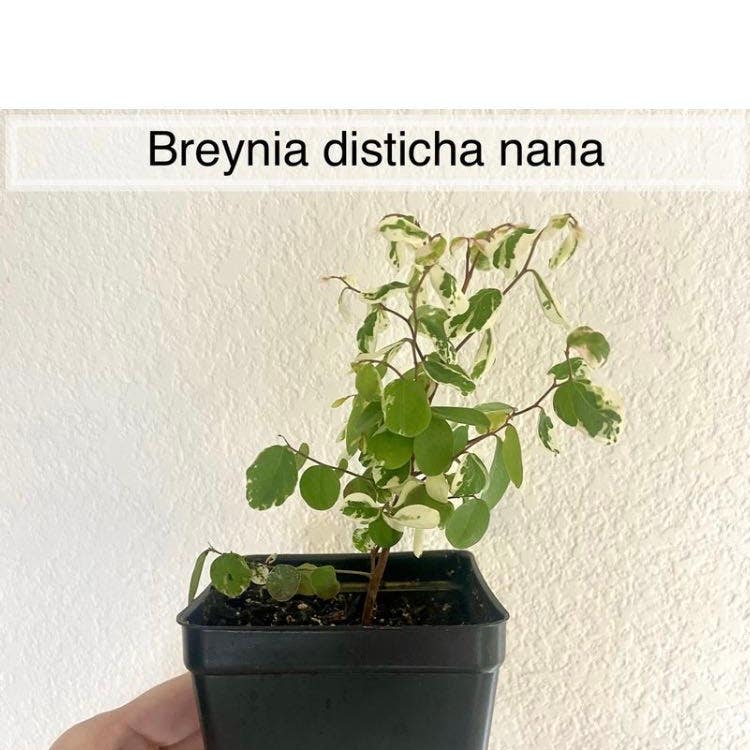
Why Are My Brenia Snowbush Leaves Droopy?
Breynia disticha
By the Greg Editorial Team
Jun 18, 2024•4 min read
This article was created with the help of AI so we can cover more plants for you. May contain errors. See one? Report it here.
Rescue your droopy Snowbush 🍂 and restore its vibrant perkiness with expert care insights!
- Overwatering and underwatering both lead to droopy Snowbush leaves.
- Bright, indirect light and 50-60% humidity keep leaves perky.
- Stabilize climate, check soil, and prune for long-term health.
When Too Much Love Leads to Droopiness: Overwatering Woes
🚰 Signs Your Brenia Snowbush is Overwatered
Yellowing leaves may be the first red flag that you're giving your Brenia Snowbush more water than it can handle. A classic symptom of overwatering is when the leaves lose their vigor and start to resemble a sad, deflated balloon. If the soil feels more like a wet sponge than a nurturing bed for roots, it's a sign of waterlogged conditions. Root health is directly linked to leaf droopiness; roots that are brown and mushy are a distress signal that they're drowning in excess moisture.
🚰 Fixing the Flood
To save your overwatered Snowbush, immediate action is required. First, stop watering and let the soil dry out. If the roots are rotting, trim away the damaged parts and repot the plant in fresh, well-draining soil. Ensure the pot has adequate drainage holes to prevent future waterlogging. Adjust your watering habits by checking the soil moisture before giving your plant a drink. Remember, the goal is to mimic a refreshing rain shower, not a flood.

Thirsty for Attention: The Underwatering Problem
🚰 Spotting a Thirsty Snowbush
A Brenia Snowbush begging for water is hard to miss. Droopy leaves and a bone-dry soil surface are your first clues. The plant's usually vibrant foliage may take on a sad, wilted look, signaling distress. Underwatering leads to a lack of moisture necessary for maintaining leaf turgidity, causing them to droop pathetically.
🚰 Quenching the Thirst
Consistency is key when it comes to watering your Snowbush. Establish a watering schedule that keeps the soil evenly moist, not swinging between the extremes of a desert and a swamp. To ensure your plant gets the hydration it craves, adopt a deep watering technique. Soak the soil thoroughly, then wait until the top inch feels dry before the next session. This encourages roots to grow deeper, building resilience against future neglect.

When the Environment Gets Hostile: Stress Factors
🌡️ Battling Temperature Extremes
Temperature swings are the silent drama queens of the plant world, causing your Brenia Snowbush to throw a leafy fit. To avoid the botanical equivalent of a cold or heatstroke, maintain a room temperature between 65 and 75 degrees Fahrenheit. Steer clear of placing your Snowbush near air conditioners, heaters, or drafty windows to prevent the leaves from drooping in despair.
💡 Let There Be (The Right Amount of) Light
Your Snowbush needs its beauty sleep and its sunbathing sessions in moderation. Bright, indirect light is the sweet spot; direct sunlight is a no-go as it can lead to a sunburnt, droopy disaster. If your Snowbush could talk, it would ask for a spot where it can bask in the morning light but chill in the shade come noon.
💧 Humidity: Finding the Balance
Humidity is like that friend who never knows what they want—too much or too little, and there's trouble. Aim for a humidity level around 50-60% to keep those leaves perky. If you're living in a dry desert or a damp dungeon, consider investing in a humidifier or dehumidifier. Your Snowbush will thank you by not looking like it's given up on life.

The Road to Recovery: Reviving Your Snowbush
💪 Immediate Steps for Uplifting Droopy Leaves
Trim the drama. Snip off droopy leaves to refocus your Snowbush's energy on the healthy foliage. It's like redirecting traffic to the open lanes during rush hour.
Stabilize the climate. Keep temperatures consistent, ideally between 22–28°C. If your plant's shivering by the window or sweating near the radiator, it's time to move it to a more temperate spot.
Check the soil's thirst. Before watering, do the touch-test. If the top inch is dry, it's time for a drink—room temperature to avoid shocking the roots. Overwatering? Let the soil dry before the next watering rendezvous.
🌱 Long-Term Care Strategies
Repot with purpose. If the roots are packed tighter than a can of sardines, upgrade to a pot with drainage holes. Fresh soil is like a five-star retreat for your plant's roots.
Embrace the routine. Establish a watering schedule that's as regular as your morning coffee. Consistency is key to avoiding future droopiness.
Feed and defend. Monthly fertilization and organic mulch will keep your Snowbush robust, while horticultural soap wards off the critter party.
Prune with foresight. Annual pruning in winter keeps your Snowbush in check, ensuring it doesn't turn into a botanical wild child.
Remember, recovery is a marathon, not a sprint. With these steps, your Snowbush will be strutting its perky leaves in no time.
⚠️ Safety First
This content is for general information and may contain errors, omissions, or outdated details. It is not medical, veterinary advice, or an endorsement of therapeutic claims.
Always consult a qualified healthcare professional before using any plant as food, medicine, or supplement.
Never eat any plant (or feed one to pets) without confirming its identity with at least two trusted sources.
If you suspect poisoning, call Poison Control (800) 222-1222, the Pet Poison Helpline (800) 213-6680, or your local emergency service immediately.
Spotted an error? Please report it here.
Revive your Brenia Snowbush's droopy leaves 🍃 with Greg's custom watering reminders and home environment tracking for a thriving, resilient plant.