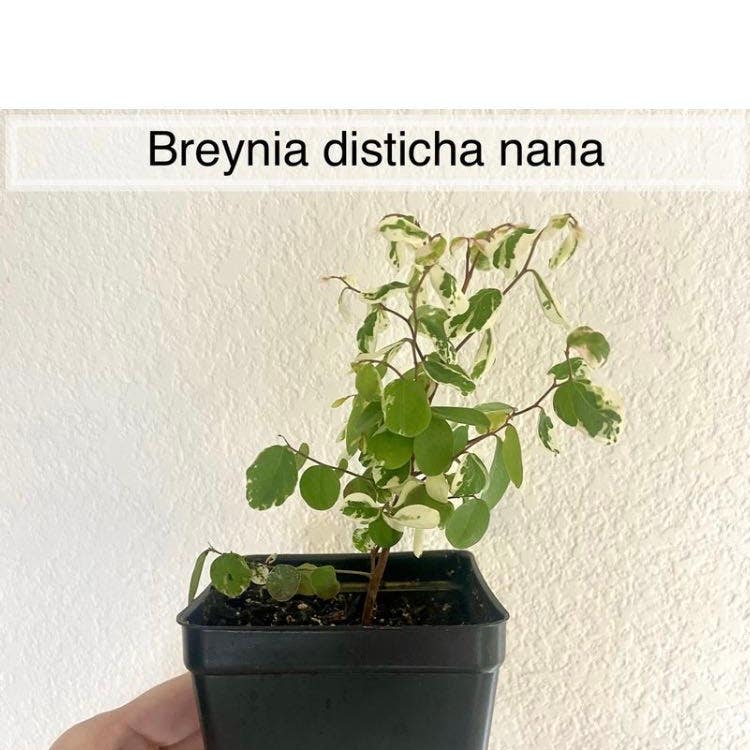
Why Are There Brown Spots on My Brenia Snowbush?
Breynia disticha
By the Greg Editorial Team
Jun 18, 2024•6 min read
This article was created with the help of AI so we can cover more plants for you. May contain errors. See one? Report it here.
Banish brown spots 🍂 on your Brenia Snowbush and restore its lush beauty with these expert insights!
- Brown spots vary in size and color; spread rate indicates the issue.
- Environmental stress and watering are key factors in brown spot formation.
- Fungal infections and pests require specific treatments and preventive care.
Spotting the Trouble: Recognizing Brown Spots on Your Brenia Snowbush
🕵️♂️ Visual Cues: The Look of Brown Spots
Brown spots on Brenia Snowbush leaves can be as telling as a fingerprint at a crime scene. They might appear as small specks or larger blotches, ranging from a light tan to a deep, dark brown. Some spots boast distinct edges, while others seem to bleed into the leaf's green canvas. Don't overlook the texture—spots can be dry and brittle or have a soggy, water-soaked appearance.
📈 Progression Patterns: The Spread of Brown Spots
The development of brown spots on Brenia Snowbush leaves often follows a predictable path. Initially, you might spot a few isolated blemishes, primarily on older leaves. Without intervention, these spots can multiply, creating a constellation of decay that can advance to younger foliage. Monitor the spread; a slow creep suggests one issue, a rapid takeover hints at another. Keep an eye out for patterns—uniformity might indicate environmental stress, while randomness could signal a pest or disease at work.

Zeroing in on the Culprits: Direct Causes of Brown Spots
💡 Environmental Stressors
Light, temperature, and humidity are the usual suspects when it comes to brown spots on your Brenia Snowbush. Too much sun can lead to leaf scorch, while too little leaves them wanting. Temperature swings are like mood swings for your plant; they're not fun for anyone. If your Snowbush's leaves could talk, they'd tell you that humidity levels are more than a comfort thing—they're a survival thing.
How to Tell if Environmental Stress Is to Blame
It's like playing detective with the weather. If your plant is basking in the sun like it's on a beach in Ibiza, it might be time to move it to a shadier spot. Cold drafts? Imagine your plant wrapped in a scarf—it doesn't want to be there. Check for crispy leaves; they're a dead giveaway that your Snowbush is throwing a tantrum over its environment.
🚰 Water Woes
Watering is a bit like dating—get it right, and it's bliss; get it wrong, and it's a world of trouble. Overwatering is the equivalent of that person who texts too much; it smothers the roots and invites root rot. Underwatering? That's the person who never calls back, leaving your plant feeling parched and neglected.
Signs Your Watering Routine Needs Adjustment
The soil's moisture level is the plant's mood ring. If it's soggy, hold off on the H2O. If it's dry as a bone, it's time to quench that thirst. Roots that are mushier than overcooked noodles scream overwatering, while a plant that's droopier than a teenager on Monday morning is likely underwatered. Keep an eye out for these signs, and you'll be on your way to a happier, spot-free Snowbush.

Fungal Foes: Identifying and Tackling Fungal Causes
🍄 Spotting Signs of Fungal Infections
Fungal infections are the sneaky saboteurs of plant health, often leaving brown spots on your Brenia Snowbush as calling cards. These spots might sport a colorful halo, a telltale sign of a fungal shindig. They vary in size and shape, and without intervention, can evolve into leaf-perforating lesions.
🕵️ Immediate Recognition Tactics
Get up close and personal with those brown spots. If they're soft and squishy, you might be dealing with overwatering. However, if they're dry and brittle, it could be a fungal free-for-all. Fungi thrive in conditions that are wetter than a rainforest floor, so if your plant's leaves feel like a soggy blanket, it's time to reassess your watering habits.
🛠️ Step-by-Step Guide to Treating Fungal-Related Brown Spots
- Isolate your Brenia Snowbush to prevent the fungal fiesta from spreading.
- Prune affected leaves with sterilized scissors—think of it as giving your plant a haircut to save its life.
- Adjust watering—only water when the top inch of soil feels like a dry summer day.
- Improve air circulation—a fan can be your plant's best friend, keeping the air moving like a gentle summer breeze.
- Sunlight is your ally. Ensure your plant gets its daily dose without getting sunburnt.
- Fungicide—if the infection is stubborn, it's time to bring out the big guns. A baking soda and soap mix can tell the fungus to hit the road, but for tougher cases, copper fungicides are the sheriffs in town. Use them as directed—no cowboying around with chemicals.
- Preventative care—keep an eye out for early signs of trouble and stay proactive with a balanced fertilizer regimen. Over-fertilizing is like overindulging in junk food; it feels good momentarily but ends in regret.
Remember, fungi are the uninvited guests at your plant's party. Keep the conditions less than ideal for them, and your Brenia Snowbush will thank you with spotless leaves.

When Pests Attack: Connecting Pests to Brown Spots
Pests are stealthy invaders that can cause brown spots on your Brenia Snowbush. Identifying these culprits is crucial for the health of your plant.
🐛 Common Pests
Aphids, thrips, and spider mites are the usual suspects when it comes to pest-induced brown spots. These tiny terrorists suck sap and leave behind telltale marks of their feasting.
🚫 Pest Control Methods
🕵️♂️ Immediate Actions
- Inspect your plant regularly for any signs of pests.
- If you spot bugs, isolate the affected plant to prevent spreading.
✂️ Physical Removal
- Prune affected leaves with sterilized scissors to halt the invasion.
- Wash the plant gently with water or remove pests using a cotton swab dipped in rubbing alcohol.
☠️ Chemical Warfare
- Insecticidal soaps or neem oil sprays can be effective in combatting these pests.
- Apply treatments as per instructions, and rotate products to prevent resistance.
🌡️ Environmental Adjustments
- Increase humidity to deter spider mites, which thrive in dry conditions.
- Keep a vigilant eye post-treatment for any signs of returning pests or brown spots.
Remember, prevention is better than cure. Regularly clean your plant's leaves and maintain good hygiene to keep your Brenia Snowbush pest-free.
Healing and Shielding: Effective Treatments and Preventive Measures
Upon spotting brown spots on your Brenia Snowbush, it's time to channel your inner plant doctor.
🌱 Immediate Action Steps
Inspect the affected area. Are we talking a few freckles or a full-blown breakout? The scope of the spots dictates the urgency.
Prune the damaged leaves with sterilized shears. You're not just giving your plant a haircut; you're stopping the contagion.
Assess the environment. Is your plant gasping for air in a humid corner? Or maybe it's drowning in soil that's wetter than a rainforest. Adjust accordingly.
Apply a fungicide if you're dealing with a fungal uprising. Don't just splash it on; follow the label like it's the holy grail of plant health.
🌿 Long-Term Defense Strategies
Monitor new growth like a hawk. It's the green flag of recovery.
Regulate watering. Your plant's thirst isn't a guessing game. When the soil feels like a wrung-out sponge, it's time to water.
Ensure proper airflow. Your plant needs to breathe, not stew in its own leafy sweat.
Prevent future outbreaks. Keep those pruners clean and your eyes peeled for the first sign of trouble.
Remember, keeping your Brenia Snowbush spot-free is a marathon, not a sprint. Stay vigilant, and your plant will reward you with lush, healthy foliage.
⚠️ Safety First
This content is for general information and may contain errors, omissions, or outdated details. It is not medical, veterinary advice, or an endorsement of therapeutic claims.
Always consult a qualified healthcare professional before using any plant as food, medicine, or supplement.
Never eat any plant (or feed one to pets) without confirming its identity with at least two trusted sources.
If you suspect poisoning, call Poison Control (800) 222-1222, the Pet Poison Helpline (800) 213-6680, or your local emergency service immediately.
Spotted an error? Please report it here.
Keep your Brenia Snowbush spot-free 🌿 with Greg's personalized care reminders, ensuring you take the right action at the right time for a healthy plant.