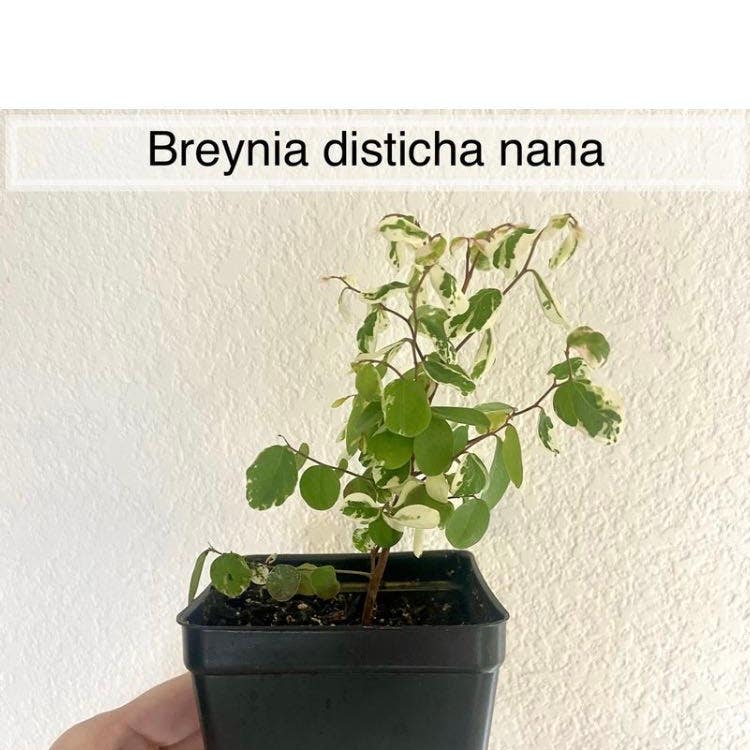
What Temperature Should My Brenia Snowbush Be Kept At?
Breynia disticha
By the Greg Editorial Team
Jun 18, 2024•4 min read
This article was created with the help of AI so we can cover more plants for you. May contain errors. See one? Report it here.
Discover the secret to a lush Brenia Snowbush 🌿—keeping it cozy within the perfect 65-75°F range!
- 65°F to 75°F is ideal for Brenia Snowbush health and growth.
- 🍂 Wilting and brown spots signal temperature distress.
- Seasonal care adjustments and humidity balance are crucial.
Dialing in the Perfect Temperature
For the Brenia Snowbush, 65°F to 75°F is the temperature sweet spot. Stray outside this range, and you're asking for trouble.
🚩 Recognizing the Red Flags
Wilting leaves or stunted growth? Your Snowbush might be throwing a temperature tantrum. Brown spots? That's the plant's version of a protest sign against improper temps.
🛠 Quick Fixes
If your Snowbush is too hot, think shade and hydration. Too cold? Move it to a warmer spot, away from that window you keep cracking open.
🌡 Common Culprits of Temperature Swings
Drafts are the frenemies of your Snowbush. Keep it away from those sneaky gusts. And remember, as the seasons change, so should your care strategy—stay adaptable.
🌬 Seasonal Shifts
When summer heat waves hit, your Snowbush might need a drink more often. Come winter, dial down the watering but keep it away from the heater's dry breath.

When the Heat is On
🌞 Heatwave Woes: Protecting Your Snowbush from the Scorch
In the throes of summer, your Brenia Snowbush can start to feel the burn. Direct sunlight during a heatwave can be as unforgiving as a desert. To shield your plant, provide shade during peak sun hours. Think of it as sunscreen for your Snowbush. A breathable cloth or a strategically placed umbrella can do the trick.
💧 Hydration Help: Ensuring Moisture Levels Support Temperature Control
When the mercury rises, your Snowbush's thirst does too. Watering becomes a delicate dance – too little and it wilts, too much and you risk root rot. The goal is to keep the soil consistently moist. If your plant's leaves start to look like they've been in a fryer, it's time to up the hydration. But remember, finesse is key; don't drown it in your panic. A morning or evening watering routine can help your Snowbush beat the heat without water stress.

Chilly Challenges
❄️ Frosty Foliage: Preventing Cold Damage to Your Snowbush
Frost is the nemesis of the Brenia Snowbush, capable of turning its lush leaves into a soggy, darkened mess. When temperatures plummet, ice crystals can form within the plant's tissues, obstructing water movement and leading to dehydration. The aftermath? Leaves that look drenched, followed by shriveling and a color shift to a dismal brown or black. Prevention is straightforward: keep your Snowbush away from frost-prone areas and consider frost blankets or indoor shelter when the mercury dips.
🌡️ Growth Grind to a Halt: Understanding Slowed Metabolism in the Cold
As the temperature drops, your Snowbush's metabolism slows. Growth stalls, and the vibrant energy of your plant seems to pause. This isn't just a minor hiccup; it's a survival mechanism. The plant conserves resources, effectively going into a state of hibernation. While this might sound like a neat trick, it's a sign to keep the thermostat in check. Ensure your Snowbush is in a space where it can maintain its preferred temperature range, away from drafty windows or exterior doors that could usher in a chill.

Humidity's Handshake with Heat
💦 A Quick Splash on Humidity
Humidity is crucial for your Brenia Snowbush, just as much as the right temperature. It's about finding that Goldilocks zone: not too damp, not too dry.
🌡️ Monitoring Made Easy
Grab a hygrometer to keep tabs on moisture levels. Guesswork is not an option when your plant's health is on the line.
💦 Mist with Care
A light misting can perk up your Snowbush, but overdoing it is a no-go. Waterlogged leaves are trouble waiting to happen.
💨 Airflow: The Unsung Hero
Keep the air moving. A gentle fan can prevent still air from inviting mold and ensure your Snowbush feels the breeze it deserves.
🌿 Group Plant Therapy
Consider grouping plants together. They'll share humidity like good neighbors swapping cups of sugar, creating a microclimate of moisture.
🌬️ Tech to the Rescue
If you're playing the long game, invest in a humidifier or dehumidifier. These gadgets let you dial in the perfect humidity level, giving you control over the indoor climate.
🪴 Pebble Tray Magic
For a low-tech solution, set up a pebble tray. Just make sure your Snowbush's pot isn't taking a bath in its own humidity hack.
🔑 Consistency is Key
Remember, consistency in humidity levels is as important as the right temperature. Your Brenia Snowbush will thank you for a stable environment.
⚠️ Safety First
This content is for general information and may contain errors, omissions, or outdated details. It is not medical, veterinary advice, or an endorsement of therapeutic claims.
Always consult a qualified healthcare professional before using any plant as food, medicine, or supplement.
Never eat any plant (or feed one to pets) without confirming its identity with at least two trusted sources.
If you suspect poisoning, call Poison Control (800) 222-1222, the Pet Poison Helpline (800) 213-6680, or your local emergency service immediately.
Spotted an error? Please report it here.
Ensure your Brenia Snowbush is flourishing 🌡 by relying on Greg's custom care plans that adjust to seasonal changes and keep your plant in its ideal temperature sweet spot.