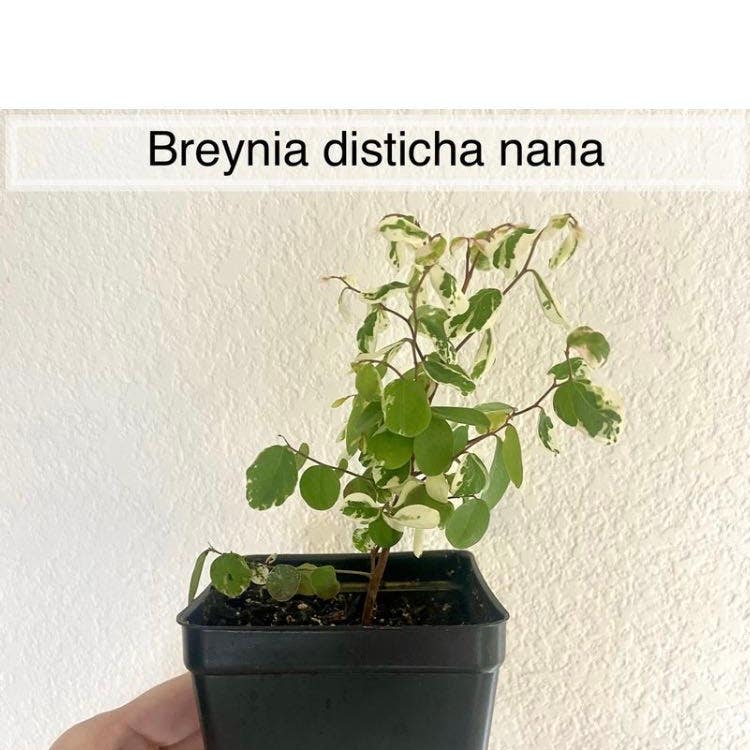
Black Spots on My Brenia Snowbush Leaves
Breynia disticha
By the Greg Editorial Team
Jun 18, 2024•4 min read
This article was created with the help of AI so we can cover more plants for you. May contain errors. See one? Report it here.
Banish black spots 🍂 on your Snowbush with expert tips on early detection and treatment!
- Black spots signal problems, not just cosmetic; caused by fungi or bacteria.
- 🌱 Prevent with morning watering, increased airflow, and reduced humidity.
- Prune and sterilize; use correct fungicides or bactericides for treatment.
Spotting the Culprit: Recognizing Black Spots on Your Snowbush
🕵️ What Black Spots Look Like
When black spots invade your Brenia Snowbush, they're not just crashing the party; they're gatecrashing with attitude. These spots can range from tiny specks to larger, more ominous patches. They might begin as isolated incidents but can merge into a leafy takeover if left unchecked. Unlike the harmless quirks of other plants, these spots scream "SOS" from your Snowbush.
🚫 Not Your Average Leaf Issue
Quick tip: black spots on your Snowbush aren't just a cosmetic hiccup—they're a billboard for underlying issues. If the spots are dark and persistent, with a penchant for spreading, you're likely dealing with more than just a case of the uglies. They could signify anything from fungal freeloaders to bacterial baddies. And if your leaf feels like a squishy horror prop, it's time to ring the alarm bells.

Unveiling the Causes: Why Your Snowbush is Spotty
🍄 Fungal Foes
Fungal infections are the equivalent of uninvited guests at your Snowbush's leafy soiree. Powdery mildew and anthracnose are the main culprits, notorious for their love affair with damp conditions. Powdery mildew is the one leaving a ghostly white residue, while anthracnose prefers to etch dark, sunken spots into your plant's foliage.
Humidity acts as a VIP pass for these fungi, with overwatering being the equivalent of an open-bar invitation. Keeping your Snowbush's "feet" too wet sets the stage for a fungal free-for-all.
🦠 Bacterial Bullies
Bacterial infections are the stealthy invaders, often starting as water-soaked spots before turning traitorously brown. If you spot tiny black dots within these lesions, it's a sign of bacterial blight setting up its base camp. Unlike their fungal counterparts, bacteria don't throw a spore party; they're more like a silent infestation creeping in from the shadows.
To differentiate between the two, remember: fungi show off with spores, while bacteria are more about those sneaky, waterlogged lesions. Keep an eye out for these signs, and you'll be better equipped to protect your Snowbush from these microscopic marauders.

Nipping it in the Bud: Preventing Black Spots
💧 Water Wisely
Watering your Brenia Snowbush is a delicate dance. Early morning is the best time to water, allowing leaves to dry out and reducing the risk of fungal parties. Make sure the soil is moist, but not waterlogged, to keep root rot from crashing the party.
💨 Airflow and Humidity: Your Secret Weapons
Humidity and air circulation are the Batman and Robin against black spots. Crank up the airflow to keep those leaves dry and fungi at bay. Use a humidifier or a pebble tray to maintain humidity without soaking the leaves, because nobody likes a wet blanket.
✂️ Clean Cuts: Pruning and Sanitation
Pruning is like giving your plant a tailored suit—it should be just right. Snip away any leaves with black spots and sterilize your shears with alcohol between cuts. It's like maintaining a sterile field in surgery; no germs allowed. Dispose of infected leaves like they're top-secret documents—leave no trace.

Turning the Tide: Treatment Tactics
🛡️ Choosing Your Shield: Fungicides and Bactericides
Timing is everything when it comes to treating black spots on Brenia Snowbush. At the first sign of trouble, it's crucial to select the appropriate fungicide or bactericide. But don't just grab any bottle off the shelf; read the label. These instructions are your roadmap to success, not just fine print to be ignored.
Diversity is your ally. Don't stick to one product; rotate fungicides to outsmart any resistant fungi. Look for products with different modes of action and consider tank-mixing systemic products with contact fungicides to cover all bases. And remember, it's not just about the product; it's about how you use it. Full coverage is non-negotiable—treat every leaf, front and back, like you're painting the Sistine Chapel of plant care.
🍳 Application Mastery
When applying treatments, think like a master chef—precision and technique matter. Mix your solutions accurately and apply thoroughly. This isn't a one-time gig; persistence is key. Follow the product's schedule to the letter, and don't slack on reapplications. It's like a Netflix series; you can't just watch the first episode and call it a day.
Safety first: gear up with gloves and goggles. You're not just protecting your plant; you're also protecting yourself. And when you're done, don't just toss the leftovers. Store or dispose of chemicals responsibly—because the only thing worse than black spots on your Snowbush is a black mark on your conscience for harming the environment.
⚠️ Safety First
This content is for general information and may contain errors, omissions, or outdated details. It is not medical, veterinary advice, or an endorsement of therapeutic claims.
Always consult a qualified healthcare professional before using any plant as food, medicine, or supplement.
Never eat any plant (or feed one to pets) without confirming its identity with at least two trusted sources.
If you suspect poisoning, call Poison Control (800) 222-1222, the Pet Poison Helpline (800) 213-6680, or your local emergency service immediately.
Spotted an error? Please report it here.
Keep your Snowbush's leaves spotless 🍃 with Greg's personalized care reminders to prevent those pesky fungal and bacterial foes!