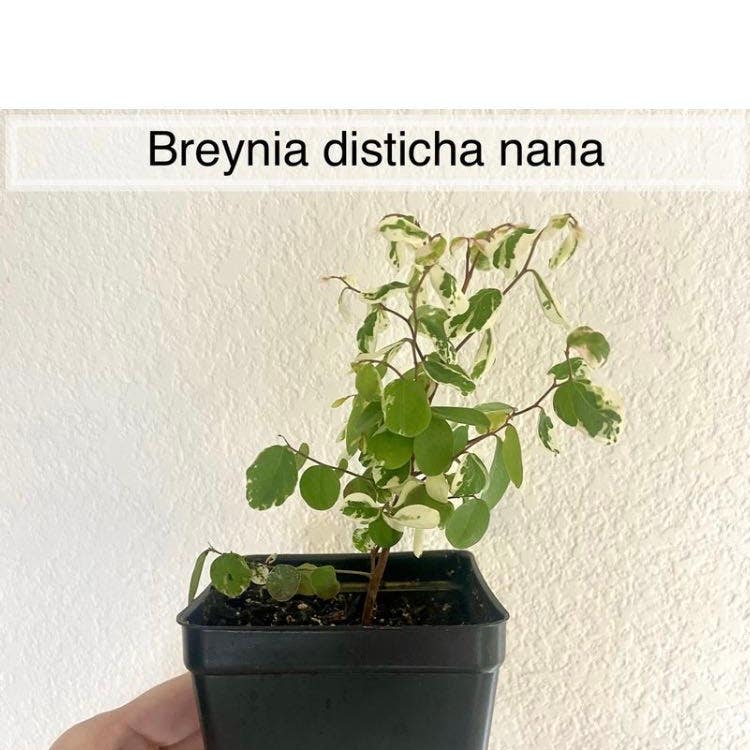
🌸 Ultimate Guide to Fixing Flower Problems in Snowbush
Breynia disticha
By the Greg Editorial Team
Sep 29, 2024•3 min read
This article was created with the help of AI so we can cover more plants for you. May contain errors. See one? Report it here.
Revive your Snowbush blooms 🌸 with essential tips on light, nutrition, and care for vibrant flowers!
- 🌞 Snowbush needs 6+ hours of sunlight daily for optimal blooming.
- 🌱 Nutritional deficiencies and overwatering can hinder flower production.
- ✂️ Prune after flowering to promote new growth and enhance blooms.
Flowering Problems in Snowbush
🌸 Failure to Bloom
Causes
Insufficient Light
Snowbush requires specific light conditions for optimal blooming. Too much shade can significantly hinder flower production.
Poor Soil Nutrition
Nutritional deficiencies can lead to flowering failure. The quality of the soil directly impacts overall plant health.
Incorrect Pruning
Pruning at the wrong time can remove potential flower buds. Timing is crucial to ensure the plant can produce blooms.
💡 Solutions
Adjusting Light Exposure
Ensure your Snowbush receives at least 6 hours of sunlight daily. If necessary, consider relocating the plant to a sunnier spot.
Fertilization Tips
Use a balanced fertilizer during the growing season. Applying fertilizer every 4-6 weeks supports the bloom cycle effectively.
Proper Pruning Techniques
Prune your Snowbush after flowering to encourage new growth. Additionally, remove any dead or damaged branches to promote healthy blooms.
🌼 Premature Flower Drop
Causes
Environmental Stress
Temperature fluctuations can cause significant stress to the plant. High humidity or drought conditions may lead to bud drop.
Overwatering
Excess moisture can lead to root rot, which causes flowers to drop. Snowbush is particularly sensitive to overwatering.
Pest Infestations
Pests like aphids and spider mites can weaken the plant, leading to flower drop. Regular monitoring is essential to catch these issues early.
🚰 Solutions
Watering Guidelines
Water your Snowbush only when the top inch of soil is dry. Ensure the soil is well-draining to prevent waterlogging.
Pest Management Strategies
Regularly inspect for pests and treat with insecticidal soap if needed. Introducing beneficial insects can help control pest populations naturally.
Stress Reduction Techniques
Provide consistent care and avoid sudden changes in the environment. Using mulch can help retain soil moisture and regulate temperature.
🌱 Abnormal Flower Development
Causes
Nutritional Imbalances
A lack of essential nutrients can lead to poor flower quality. Conducting soil tests can help identify these deficiencies.
Disease
Fungal or bacterial infections can affect flower structure. Monitor for signs of disease, such as discoloration or wilting.
Genetic Factors
Some varieties of Snowbush may naturally exhibit abnormal flower development. Understanding your plant's genetics can provide insights into its growth patterns.
🧪 Solutions
Soil Testing
Conduct soil tests to determine nutrient levels and pH. Amend the soil based on test results to correct any imbalances.
Disease Management
Implement preventive measures like proper spacing and air circulation. Treat affected plants promptly with appropriate fungicides or bactericides.
Selecting Healthy Plants
Choose disease-resistant varieties when purchasing. Always inspect plants for signs of health before bringing them home.
🌍 Environmental Factors Affecting Flowering
Soil Quality and Drainage
Well-draining soil is crucial for preventing root rot. Regularly check soil moisture levels to maintain optimal conditions.
Temperature and Humidity Considerations
Snowbush prefers warm temperatures and moderate humidity. Protect your plant from extreme temperature fluctuations to reduce stress.
🐞 Pests and Diseases Impacting Flowering
Common Pests Affecting Snowbush
Aphids and spider mites are prevalent pests that can damage flowers. Regular monitoring and treatment are essential for maintaining plant health.
Disease Prevention and Treatment
Implement preventive measures such as proper watering and spacing. Treat diseases promptly to prevent spread and protect flowering potential.
With these insights, you can tackle common flowering problems in Snowbush effectively. Next, let’s explore how to enhance your plant's overall health and resilience.
⚠️ Safety First
This content is for general information and may contain errors, omissions, or outdated details. It is not medical, veterinary advice, or an endorsement of therapeutic claims.
Always consult a qualified healthcare professional before using any plant as food, medicine, or supplement.
Never eat any plant (or feed one to pets) without confirming its identity with at least two trusted sources.
If you suspect poisoning, call Poison Control (800) 222-1222, the Pet Poison Helpline (800) 213-6680, or your local emergency service immediately.
Spotted an error? Please report it here.
Keep your Snowbush blooming vibrantly 🌸 by using Greg's tailored watering alerts and nutrient tracking to ensure it gets the care it needs!