❄️ Why Your Snowbush Has Yellow Leaves
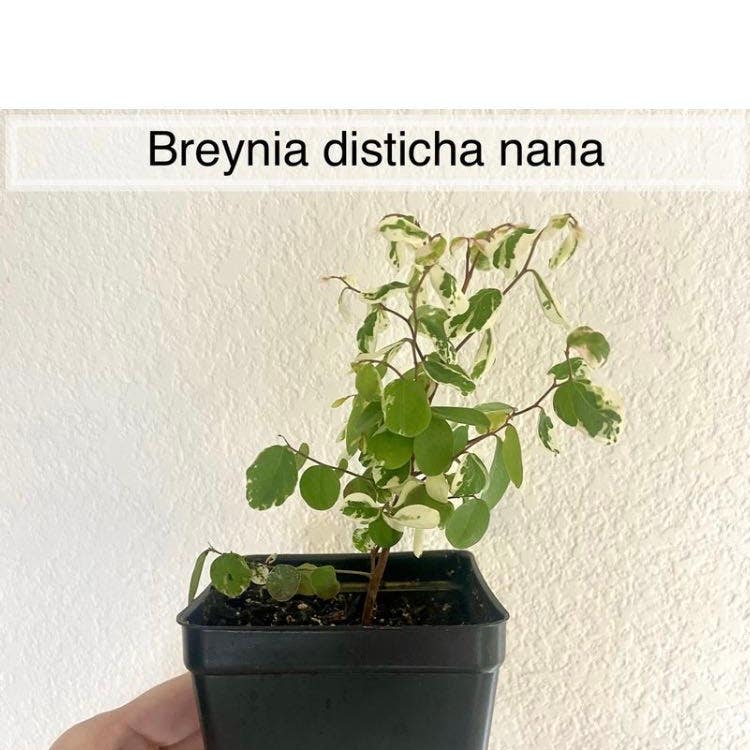
Breynia disticha
By the Greg Editorial Team
Sep 29, 2024•4 min read
This article was created with the help of AI so we can cover more plants for you. May contain errors. See one? Report it here.
Revive your snowbush's health 🌱 and banish yellow leaves with these expert care tips for vibrant growth!
- 🌧️💧 Yellow leaves indicate overwatering or underwatering; adjust watering frequency accordingly.
- 🌱 Balanced NPK fertilizer is vital for snowbush health; fertilize in spring and summer.
- 🐛 Pests and nutrient deficiencies can cause yellowing; monitor regularly and use organic controls.
Treatment Options for Yellow Leaves
Adjusting Watering Practices 🌊
Yellow leaves on your snowbush can often be traced back to watering issues.
Overwatering is a common culprit. To remedy this, reduce the frequency of watering and ensure your plant has proper drainage.
On the flip side, underwatering can also lead to yellowing leaves. Increase your watering frequency and regularly check the soil moisture to keep your snowbush happy.
Fertilization Methods 🌱
Fertilization plays a crucial role in maintaining your snowbush's health.
Using a balanced NPK fertilizer can provide essential nutrients for overall vitality. If you suspect an iron deficiency, consider applying iron chelates to address that specific need.
Timing is everything when it comes to fertilization. Apply fertilizers during the active growth periods of spring and summer for the best results.
Pest Control Strategies 🐛
Pests can wreak havoc on your snowbush, leading to yellow leaves.
For an organic approach, consider using neem oil or insecticidal soap. Introducing beneficial insects can also help manage pest populations naturally.
If the situation escalates, you might need to resort to chemical pesticides. Use these as a last resort, targeting specific pests to minimize harm to your plant and the environment.
With these treatment options, you can effectively address the yellowing leaves on your snowbush. Next, let’s explore preventative measures to keep your plant thriving year-round.
Preventative Measures
Best Practices for Snowbush Care 🌱
Regular monitoring is essential for maintaining a healthy snowbush. Check for pests, assess soil moisture, and observe leaf health to catch any issues early.
Proper watering techniques are equally important. Water deeply but infrequently to encourage robust root growth, allowing the plant to thrive.
Seasonal Care Tips 🌸
Spring is the perfect time to fertilize and prune your snowbush. This promotes new growth and prepares the plant for the warmer months ahead.
As fall approaches, it's crucial to reduce watering. This helps the plant enter dormancy naturally, conserving energy for the next growth cycle.
By following these preventative measures, you can ensure your snowbush remains vibrant and healthy throughout the seasons. Next, let’s explore the ideal soil and environmental conditions for optimal growth.
Soil and Environmental Conditions
Ideal Soil pH for Snowbush 🌱
The ideal soil pH for your snowbush ranges from 6.0 to 7.0. This pH level is crucial for optimal nutrient uptake, ensuring your plant thrives.
Recommended Soil Types 🏡
For best results, choose well-draining soils like loamy or sandy mixes enriched with organic matter. These types promote healthy root systems and prevent waterlogging.
Avoid heavy clay soils, as they can lead to poor drainage and increase the risk of root rot. A well-draining environment is essential for maintaining vibrant foliage and overall plant health.
By understanding these soil and environmental conditions, you can create the perfect home for your snowbush. This foundation will support its growth and help prevent issues like yellowing leaves.
Next, let’s explore some common misconceptions about yellow leaves and clarify care practices to keep your snowbush flourishing.
Common Misconceptions
🐛 Myths About Yellow Leaves
One common myth is that yellow leaves always signal a pest problem. While pests can contribute to this issue, yellowing can also stem from nutrient deficiencies or improper watering practices.
Understanding the root cause is essential for effective treatment. A closer look at your plant's environment and care routine can reveal much more than just pests lurking around.
📋 Clarifying Care Practices
Balanced care is crucial for maintaining a healthy snowbush. Multiple factors, such as soil quality, watering habits, and nutrient levels, can influence your plant's overall health and appearance.
Recognizing these elements can empower you to take proactive steps in your snowbush care. With the right approach, you can ensure your plant thrives and avoids the dreaded yellow leaf syndrome.
⚠️ Safety First
This content is for general information and may contain errors, omissions, or outdated details. It is not medical, veterinary advice, or an endorsement of therapeutic claims.
Always consult a qualified healthcare professional before using any plant as food, medicine, or supplement.
Never eat any plant (or feed one to pets) without confirming its identity with at least two trusted sources.
If you suspect poisoning, call Poison Control (800) 222-1222, the Pet Poison Helpline (800) 213-6680, or your local emergency service immediately.
Spotted an error? Please report it here.
Keep your snowbush thriving 🌱 by using Greg's tailored watering reminders and nutrient tips to prevent yellow leaves and promote vibrant growth!