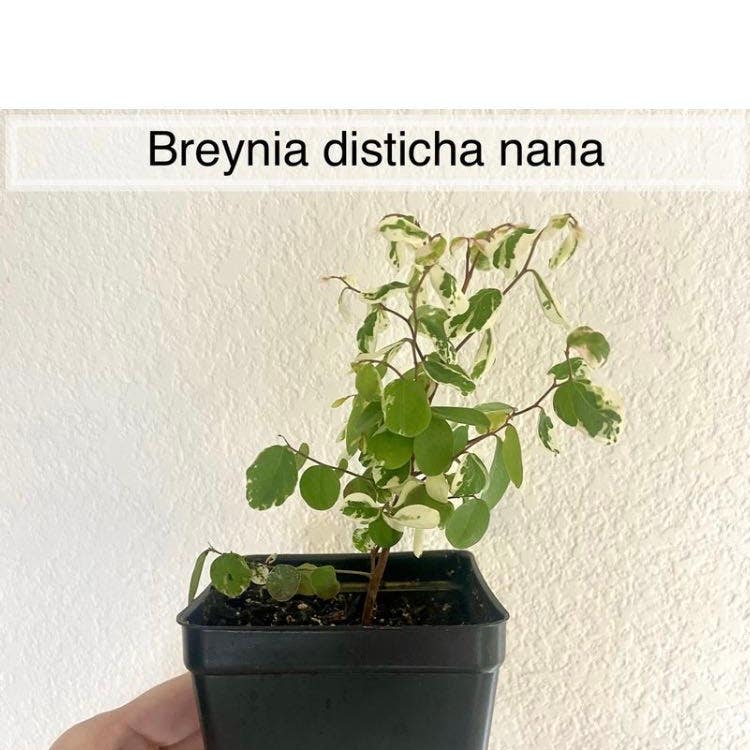
Why Snowbush Is A Perennial Plant
Breynia disticha
By the Greg Editorial Team
Sep 29, 2024•6 min read
This article was created with the help of AI so we can cover more plants for you. May contain errors. See one? Report it here.
Transform your garden with resilient Snowbush 🌱—a stunning, low-maintenance perennial that thrives year after year!
- 🌱 Snowbush is a perennial, thriving year after year through seasonal changes.
- 🌼 It blooms in warmer temperatures, attracting essential pollinators for reproduction.
- 🌍 Low-maintenance and resilient, Snowbush simplifies garden design and reduces replanting needs.
Key Characteristics of Snowbush
Multi-Year Lifecycle 🌱
Snowbush is a remarkable perennial plant that thrives through a multi-year lifecycle. It emerges in spring, experiences active growth during the summer, and enters a dormant phase in winter.
This cyclical pattern allows Snowbush to survive multiple seasons by regenerating from its root system. The roots store energy, ensuring the plant can bounce back year after year.
Growth Patterns and Regrowth from Roots 🌿
One of the standout features of Snowbush is its unique growth pattern. The plant showcases vibrant foliage that not only adds beauty to gardens but also serves as a key ornamental element.
Occasionally, Snowbush produces flowers, enhancing its aesthetic appeal. These blooms can attract pollinators, contributing to a lively garden atmosphere.
Snowbush's resilience is noteworthy; it can regrow from the same root system each year. This ability ensures continuity in garden design, making it a favorite among gardeners looking for lasting beauty.
With its vibrant leaves and dependable regrowth, Snowbush is a fantastic choice for those seeking a low-maintenance yet visually striking plant.
As we explore further, we'll delve into the impact of Snowbush's perennial nature on its growth and lifespan.
Impact of Perennial Nature on Growth and Lifespan
🌸 Flowering Cycles
Snowbush has a fascinating flowering cycle that is closely tied to seasonal changes. Typically, it blooms in response to warmer temperatures, signaling the arrival of spring.
This flowering not only enhances the plant's aesthetic appeal but also plays a crucial role in its overall health. A vibrant display of flowers can attract pollinators, which are essential for the plant's reproductive success.
⏳ Overall Lifespan and Longevity Factors
With proper care, Snowbush can thrive for several years, making it a valuable addition to any garden. Its expected lifespan is influenced by several factors, including soil quality, climate, and the care practices employed by the gardener.
Healthy soil rich in nutrients promotes robust growth, while the right climate conditions ensure the plant can flourish. Regular maintenance, such as appropriate watering and fertilization, further supports its longevity, allowing gardeners to enjoy its beauty for years to come.
As we explore the dormancy and seasonal changes of Snowbush, we’ll uncover how these cycles contribute to its resilience and overall vitality.
Dormancy and Seasonal Changes
🌨️ Description of Dormancy Periods
Snowbush enters its dormancy phase during the colder months, typically from late fall to early spring. This period is crucial for energy conservation, allowing the plant to survive harsh conditions while minimizing resource use.
🍂 Seasonal Changes in Snowbush
As winter sets in, Snowbush experiences noticeable changes. You'll see leaf drop and reduced growth, which are natural adaptations to conserve energy.
When spring arrives, the magic begins. Snowbush bursts back to life, showcasing vibrant foliage as temperatures rise, signaling the start of a new growth cycle. This resurgence not only revitalizes the plant but also enhances the garden's overall aesthetic.
Understanding these seasonal changes helps gardeners appreciate the resilience of Snowbush. By recognizing its dormancy and growth patterns, you can better plan your garden for year-round beauty.
Next, we’ll explore the advantages of Snowbush's perennial nature, focusing on how it reduces replanting needs and benefits established root systems.
Advantages of Snowbush's Perennial Nature
🌱 Reduced Replanting Needs
One of the standout benefits of Snowbush is its ability to thrive year after year without the need for replanting. This not only saves gardeners time and effort but also cuts down on costs associated with purchasing new plants.
Stability in garden design is another significant advantage. With Snowbush, you can create a consistent aesthetic that evolves beautifully over the seasons, allowing for a more cohesive landscape.
🌳 Benefits of Established Root Systems
Established root systems play a crucial role in the health of Snowbush. These roots enhance nutrient uptake, ensuring the plant receives the essential elements it needs to flourish.
Moreover, a robust root system improves water retention, making Snowbush more resilient to drought conditions. This resilience means less worry for gardeners, allowing them to enjoy their gardens without constant maintenance.
In summary, the perennial nature of Snowbush not only simplifies gardening but also enriches the overall experience. As we move forward, let’s explore how to maximize these benefits in garden planning.
Variations Across Climate Zones
Differences in Perennial Behavior in Various Climates 🌍
Snowbush showcases remarkable adaptability, thriving in both tropical and subtropical regions. In tropical climates, it flourishes with abundant moisture and warmth, leading to vibrant foliage and frequent flowering.
Conversely, in subtropical areas, Snowbush may experience more pronounced seasonal changes. Here, temperature fluctuations and varying moisture levels can influence its growth patterns, impacting both its aesthetic appeal and health.
Factors Influencing Snowbush's Growth in Different Conditions 🌱
Several environmental factors play a crucial role in the growth of Snowbush. Soil type is paramount; well-draining soil promotes healthy root systems, while heavy clay can hinder growth.
Drainage and sunlight exposure are equally important. Snowbush prefers full sun but can tolerate partial shade, making it versatile for various garden designs. Local climate conditions, including temperature and humidity, also dictate dormancy and flowering cycles, affecting how this perennial plant behaves throughout the year.
Understanding these variations helps gardeners maximize the potential of Snowbush in their landscapes. By considering climate-specific needs, you can ensure a thriving, beautiful garden that showcases the unique qualities of this resilient plant.
As we explore the advantages of Snowbush's perennial nature, we’ll uncover how it can transform your garden planning.
Maximizing Benefits in Garden Planning
Tips for Long-Term Cultivation 🌱
To keep your Snowbush thriving as a perennial, start with proper soil preparation. Enrich the soil with organic matter to enhance drainage and nutrient availability.
Regular watering is crucial, especially during dry spells. Establish a fertilization schedule that aligns with the growing season to support robust growth and flowering.
Strategies for Incorporating Snowbush in Garden Design 🎨
When planning your garden, consider the placement of Snowbush for maximum visual impact. Position it where it can be admired, perhaps near pathways or focal points.
Companion planting can also enhance the aesthetics and health of your Snowbush. Pair it with plants that share similar water and light requirements to create a harmonious garden environment.
By following these tips and strategies, you can ensure that your Snowbush not only survives but flourishes, adding beauty and resilience to your garden. Next, let’s explore the variations in Snowbush behavior across different climate zones.
⚠️ Safety First
This content is for general information and may contain errors, omissions, or outdated details. It is not medical, veterinary advice, or an endorsement of therapeutic claims.
Always consult a qualified healthcare professional before using any plant as food, medicine, or supplement.
Never eat any plant (or feed one to pets) without confirming its identity with at least two trusted sources.
If you suspect poisoning, call Poison Control (800) 222-1222, the Pet Poison Helpline (800) 213-6680, or your local emergency service immediately.
Spotted an error? Please report it here.
Transform your garden with the vibrant resilience of Snowbush 🌿, and let Greg provide personalized care reminders to ensure it thrives beautifully season after season!