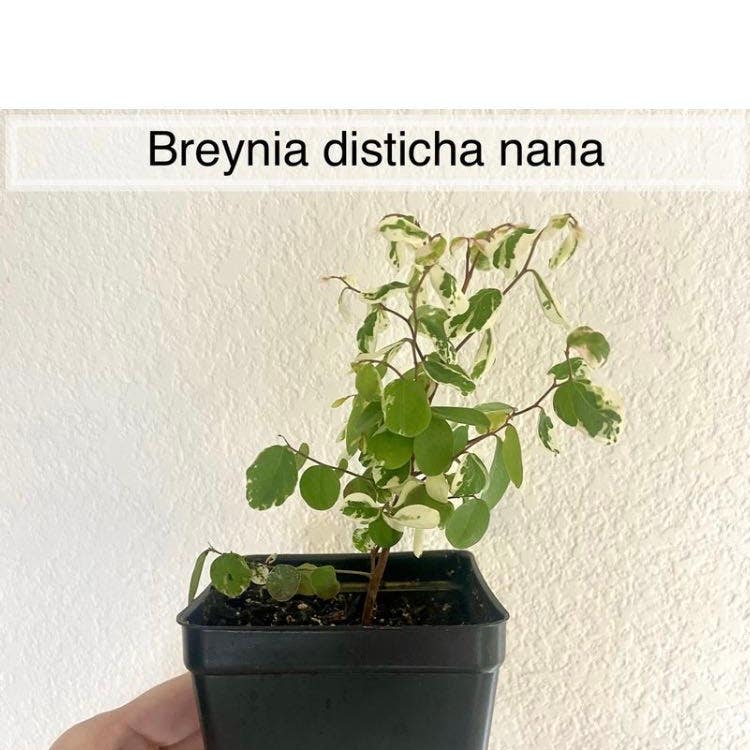
Why Is My Brenia Snowbush Dropping Leaves?
Breynia disticha
By the Greg Editorial Team
Jun 18, 2024•7 min read
This article was created with the help of AI so we can cover more plants for you. May contain errors. See one? Report it here.
Halt the leaf-drop frustration 🍂 and master Brenia Snowbush care with our expert tips!
- Over/underwatering causes leaf drop; check soil moisture and ensure proper drainage.
- Stable environment is key: 60-75°F, indirect light, consistent humidity, and airflow.
- Prevent pests and diseases with regular inspections, cleanliness, and moisture management.
Spotting the Signs of Trouble
Identifying early signs of leaf drop in Brenia Snowbush is crucial. Look for leaves that once stood pert now hanging limp, or foliage that's taken on a yellow or brown hue. Wilting or drooping leaves are your plant's way of waving a white flag.
🍂 Normal vs. Abnormal Leaf Shedding
Brenia Snowbush will naturally shed older leaves to make way for new growth. This is a routine cycle and not a cause for panic. However, if you're witnessing a Vegas-style shedding show, it's abnormal. Keep an eye out for an accelerated rate of leaf drop, which could indicate stress from improper care or environmental factors.
🚨 Early Warning Signs
Discoloration or changes in leaf texture should set off your plant-parent Spidey senses. If your Snowbush is dropping leaves and looks less than chipper, it's time to spring into action. Remember, catching issues early can mean the difference between a quick fix and a full-blown plant crisis.
👀 Spot Check
Regular inspections are like scrolling through your plant's social media; they help you catch issues before they go viral. Look for brown spots, which could be a sign of sunburn or salt damage from water. If the leaves are browning at the tips or margins, consider this an SOS.
🚧 Structural Red Flags
If the stems are bending or the plant's structural integrity seems compromised, don't just stand there—act fast. This could be a sign of overwatering, underwatering, or even a pest invasion. Remember, it's all about balance and responding to your plant's needs like a good plant-parent should.

Nailing the Watering Sweet Spot
🌊 The Perils of Overwatering
Overwatering is like throwing a non-stop water party for your Brenia Snowbush—eventually, the roots get tired and soggy. This can lead to root rot, a silent killer that creeps up and causes leaves to drop as a distress signal. The soil should feel like a just-right handshake, moist but not drenched.
🏜️ The Risks of Underwatering
Conversely, underwatering is akin to sending your plant on a forced march through the Sahara—leaves drop as a survival tactic. If the leaves feel like crisp autumn leaves underfoot, it's a cry for hydration. Aim for soil that's slightly dry between waterings, not parched.
💧 Tips for Perfect Watering Practices
- Check the soil moisture: Stick your finger in the soil up to the second knuckle. If it's dry, it's time to water.
- Observe the leaves: Wilted or crispy leaves? Your plant's telling you something. Listen up.
- Use the right water: Quality matters. If your tap water is harder than a calculus exam, consider filtered water.
- Be consistent: Watering is not a hit-or-miss game. Set a schedule that adapts to your plant's needs and the seasons.
- Ensure proper drainage: Your pot should have drainage holes to avoid creating a mini swamp for your Snowbush's roots.
- Adapt to the environment: If your plant's living in conditions drier than a comedian's wit, adjust your watering accordingly.
- Use tools: Moisture meters aren't just for the pros. They can take the guesswork out of watering for the rest of us.

Keeping the Environment Just Right
🌡️ Temperature and Light: The Dynamic Duo
Stability is the name of the game when it comes to temperature and light for your Brenia Snowbush. Keep the thermostat steady, ideally between 60-75°F (15-24°C). Sudden temperature changes are as welcome as a hiccup during a speech—avoid them. When it comes to light, think of it as a cozy reading nook for your plant—bright, indirect light is key. Direct sunlight is a no-go; it's like putting your plant in the hot seat—literally.
🥶 Avoiding Temperature Extremes
Keep your Brenia Snowbush away from drafty windows and doors. It's not a fan of the chill and dislikes the heat just as much. If you're turning on the heat or AC, think of your plant's needs—no scorched leaves or shivering stems.
💡 Ensuring Adequate Light Without Scorching
Adjust your plant's position with the seasons to avoid light-related drama. Too much sun and your Snowbush will crisp up; too little, and it'll look as sad as a rainless cloud. Use sheer curtains or blinds if you must to diffuse that harsh sunlight.
💨 Humidity and Airflow: The Invisible Dance Partners
Humidity is your Brenia Snowbush's silent cheerleader—aim for a consistent level that doesn't turn your space into a steam room. Grouping plants can create a microclimate, a little community potluck of moisture. Airflow, on the other hand, is like the quiet kid that keeps everything cool—literally. It helps prevent fungal parties and keeps the leaves dry. A fan or an open window can work wonders, but don't let the breeze turn into a gale.
🏠 Indoor Considerations
Indoors, your Brenia Snowbush wants to feel like it's in its own personal rainforest—without you needing to wear a poncho. Keep the air clean; a dust-free leaf is a happy leaf. And remember, a stable indoor temperature is like a steady beat to a song—it keeps your plant grooving along healthily.
🌳 Outdoor Considerations
If your Brenia Snowbush is living the patio life, remember that shade cloths are your friend. They're like sunglasses for your plant—protecting without depriving. And just like you'd acclimate to a pool's temperature, gradually introduce your plant to the outdoor world to prevent a leafy meltdown.

Defending Against Invaders
🐛 Identifying Pests on Brenia Snowbush
Spider mites and aphids are the usual suspects when it comes to Brenia Snowbush pests. Look for webbing or a dusty appearance on leaves, which can signal a spider mite party. Aphids prefer to suck the life out of your plant, leaving behind deformed and yellowed foliage.
🛡️ Effective Pest Control Strategies
🕷️ Spider Mites
Increase humidity around your Brenia Snowbush; spider mites despise moist environments. Wipe leaves regularly to keep these critters at bay. If you spot an infestation, consider using a miticide as directed, or introduce predatory mites to crash the spider mite soiree.
🐞 Aphids
For aphids, a strong stream of water can dislodge these pests. Insecticidal soaps are the next line of defense, effective yet gentle on your plant. If you're feeling adventurous, unleash lady beetles or lacewings into the mix—they're natural aphid enemies.
🛡️ General Defense
Regular plant inspections are crucial. Catching invaders early can prevent a full-scale assault on your Snowbush. Encourage a diverse ecosystem in your garden to naturally keep pest populations in check. Remember, a healthy plant is less tempting to bugs, so maintain robust care practices.
Battling Diseases and Fungi
🍄 Recognizing Symptoms of Disease and Fungal Infections
Discoloration and spotting on leaves can be the first telltale signs of a fungal invasion in your Brenia Snowbush. Fungi love moisture, so leaves that stay wet are like a welcome mat for these uninvited guests. If you see powdery or unusual growths, it's time to play detective and figure out which fungus has crashed your plant party.
🛡️ Best Practices for Disease and Fungus Prevention
Keep It Clean
Start with cleanliness; it's not just for hands. Make sure your plant's home is spick-and-span. Overcrowding is a no-no; your Snowbush needs personal space to avoid catching something from its leafy neighbors.
Dry Leaves, Happy Plant
Moisture management is key. Water your Snowbush at the soil level to keep the leaves dry, reducing the risk of fungal freeloading. Pruning can be as beneficial for plants as it is for hair; it gets rid of the dead ends and stops the spread of the nasty stuff.
Fungicide: A Plant's Best Friend?
Sometimes, despite your best efforts, fungi find a way. When they do, a fungicide might be your Hail Mary. Go for a systemic option and always follow the label like it's the law. Remember, prevention beats cure, so keep an eye out and don't let those fungal foes settle in.
⚠️ Safety First
This content is for general information and may contain errors, omissions, or outdated details. It is not medical, veterinary advice, or an endorsement of therapeutic claims.
Always consult a qualified healthcare professional before using any plant as food, medicine, or supplement.
Never eat any plant (or feed one to pets) without confirming its identity with at least two trusted sources.
If you suspect poisoning, call Poison Control (800) 222-1222, the Pet Poison Helpline (800) 213-6680, or your local emergency service immediately.
Spotted an error? Please report it here.
Prevent your Brenia Snowbush from shedding tears (or leaves) by letting Greg tailor a watering plan 🌱 that adapts to your home's sunlight and humidity, ensuring your plant stays healthy and vibrant.