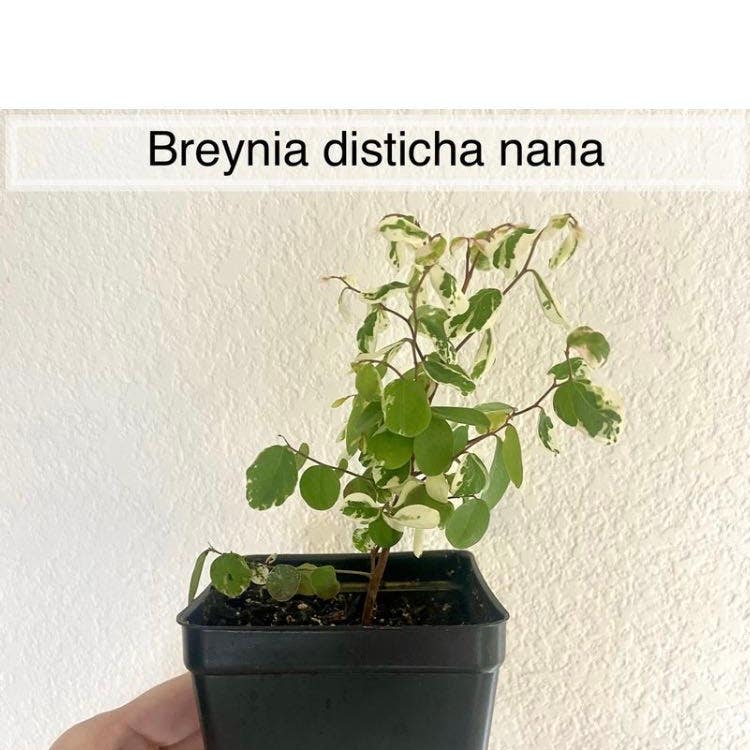
What Do I Do About Brenia Snowbush Root Rot?
Breynia disticha
By the Greg Editorial Team
Jun 18, 2024•4 min read
This article was created with the help of AI so we can cover more plants for you. May contain errors. See one? Report it here.
Stop root rot dead in its tracks 🛑 and ensure your Snowbush thrives with these life-saving care tips! 🌿
- 🍂 Yellow leaves and foul soil smell signal Snowbush root rot.
- ✂️ Prune with sterilized tools and repot for root rot recovery.
- 💧🌬️ Prevent root rot with proper watering, drainage, and airflow.
Spotting Trouble: Recognizing Root Rot in Your Snowbush
🚩 Telltale Signs
Yellow leaves might not always spell doom, but paired with wilting, they're your Snowbush crying out for help. If the leaves look more defeated than a washed-out watercolor, it's time to suspect a sinister presence below the surface.
A foul smell emanating from the soil is another dead giveaway. Healthy soil shouldn't hit your nose like a wall of decay. If it does, think 'root rot' before you think 'bad batch of potting mix'.
🕵️ Early Detection Tactics
Make routine checks for your Snowbush's root system a part of your plant care mantra. White and firm roots are the goal; anything mushy or brown is a red flag waving in your face.
Understanding the severity of symptoms is key. If your Snowbush's leaves are dropping like flies, it's not being dramatic—it's likely in the grips of root rot. Act fast, because in the plant world, time is not a luxury.

The Rescue Mission: Treating Root Rot in Brenia Snowbush
🌱 Cutting to the Chase
Prune the infected roots with a sterilized pair of scissors or shears, showing no mercy to the rot. Make sure every cut is clean and precise; think of it as a life-saving surgery for your Snowbush.
Sterilization isn't just for hospitals; it's crucial for your gardening tools too. Clean them before and after use to prevent spreading the infection like a bad rumor.
💧 Drying Out the Damp
Watering is an art, and overdoing it is the quickest way to drown your masterpiece. Wait for the soil to be dry to the touch, then water sparingly, as if you're in a desert rationing your last bottle.
It's time for a fresh start. Repot your Snowbush in a new home with well-draining soil and a pot that boasts more holes than a detective's alibi. This isn't just a change of scenery; it's a vital step towards recovery.

Fungus Among Us: Using Fungicides Wisely
🌿 Choosing Your Fungicide
In the battle against root rot, choosing the right fungicide is like picking your best warrior—it needs to be tough on foes but gentle on your Brenia Snowbush. Organic options like neem oil can be kinder to your plant and the environment. However, for more severe cases, a copper-based fungicide might be the heavy artillery you need. Always check the label; it's a treasure map to using the product effectively without causing harm.
🎨 Application Best Practices
Application is key—think of it as painting a masterpiece. You wouldn't slap paint haphazardly on a canvas, so don't douse your Snowbush without a plan. Mix the fungicide precisely as directed; this isn't a recipe you can tweak to taste. Cover every leaf, top to bottom, ensuring you don't miss a spot. Like applying sunscreen, coverage is crucial. Suit up with gloves and a mask—safety is no joke. And remember, repeat as necessary, but only as often as the label says. Over-application is like overwatering; it does more harm than good.

Keeping Root Rot at Bay: Prevention Strategies
💧 Watering Without Worry
Watering routines are crucial for Brenia Snowbush health. Overwatering is the fast track to root rot, so touch the soil before giving your plant a drink. If it's dry, go ahead. If not, hold off. Remember, your Snowbush isn't a fish; it doesn't need to swim.
🏡 The Right Home for Your Snowbush
Choosing the right pot and soil is like picking a well-fitted suit—it should be just right. Drainage holes in pots are non-negotiable, and well-draining soil is your Snowbush's best friend. Think of it as setting up a cozy, breathable home that keeps the feet dry.
🌿 Creating the Ideal Snowbush Environment
Your Snowbush craves an environment that's just like its personality—airy and not too clingy. Good airflow reduces the risk of fungal parties, and balanced humidity keeps the roots just the right amount of thirsty. It's about creating a chill lounge for your plant, where root rot isn't on the guest list.
⚠️ Safety First
This content is for general information and may contain errors, omissions, or outdated details. It is not medical, veterinary advice, or an endorsement of therapeutic claims.
Always consult a qualified healthcare professional before using any plant as food, medicine, or supplement.
Never eat any plant (or feed one to pets) without confirming its identity with at least two trusted sources.
If you suspect poisoning, call Poison Control (800) 222-1222, the Pet Poison Helpline (800) 213-6680, or your local emergency service immediately.
Spotted an error? Please report it here.
Ensure your Snowbush stays lush and healthy 🍃 with Greg's personalized reminders for watering and root checks, preventing root rot before it starts.