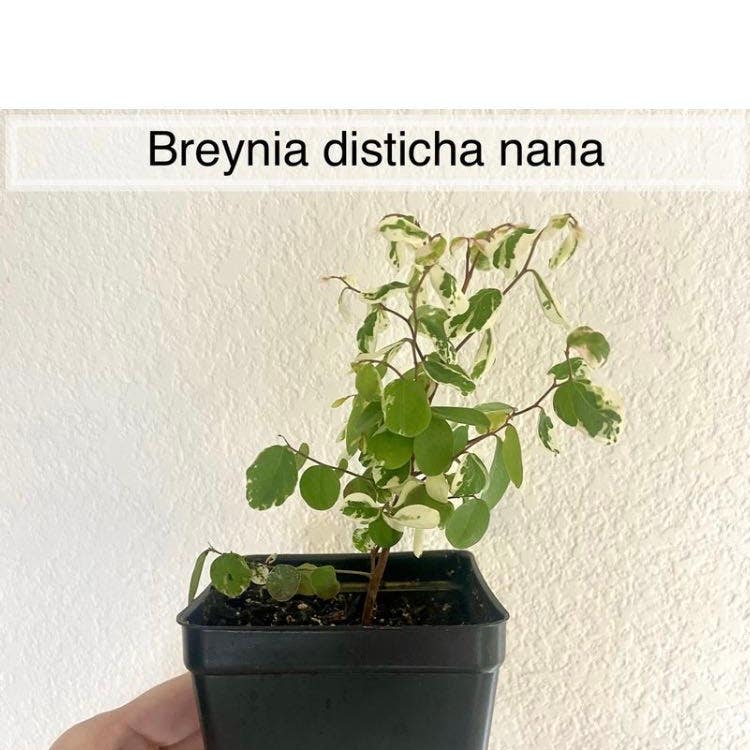
Common Brenia Snowbush Problems
Breynia disticha
By the Greg Editorial Team
Jun 18, 2024•3 min read
This article was created with the help of AI so we can cover more plants for you. May contain errors. See one? Report it here.
Prevent Snowbush sorrow 🍂 by nailing the care routine that keeps your plant thriving, not just surviving!
- Yellow leaves and mushy roots? Improve soil drainage to combat over-watering.
- Droopy leaves or leggy growth? Regular watering and consistent light are key.
- Pests or fungus? Use neem oil and improve air circulation for plant health.
When Water Works Against You
💧 Over-watering and Root Rot
Yellowing leaves and mushy roots are distress signals from your Brenia Snowbush, hinting at over-watering. It's like giving your plant a bath when it just needs a quick shower.
To dry out the problem, cut back on the H2O. Make sure your pot isn't holding water hostage and that the soil isn't clumping together like last year's Play-Doh. Improve soil drainage by mixing in some gritty friends like perlite or sand.
🏜️ Under-watering Woes
When your Snowbush's leaves droop like they've just heard bad news, it's time to check the soil. Dry soil is a clear sign your plant is more parched than a desert traveler.
To quench its need, get into a watering routine that's as regular as your morning coffee. Use your finger as a makeshift moisture meter—if the top inch of soil feels like a dry martini, it's time to water. But remember, moderation is key; you're hydrating, not flooding.

Light and Temperature: Finding the Sweet Spot
🌞 Too Much Sun, Not Enough Fun: Leaf Scorching
Brown patches and crispy edges on your Brenia Snowbush's leaves are the equivalent of waving a white flag. It's had too much sun, and it's not having a good time.
To avoid leaf scorch, consider relocating your plant to a spot with bright, yet indirect sunlight. If moving isn't an option, diffuse those harsh rays with sheer curtains or blinds.
❄️ Chilly Reception: Temperature Stress
When your Snowbush starts curling its leaves tighter than a burrito, it's not trying to be cute—it's cold. Stunted growth is another telltale sign that your plant is not vibing with the temperature.
To combat the cold, keep the temperature steady. Avoid placing your plant near drafty windows or doors, and if you're cranking the heat, make sure there's enough humidity to keep it from drying out. Think of it as creating a microclimate that doesn't give your plant temperature whiplash.

Uninvited Guests: Tackling Pests and Fungus
🐜 Pests on Patrol
Visible bugs and leaf damage are telltale signs that pests have made themselves at home in your Brenia Snowbush. To combat these freeloaders, neem oil stands as a natural defense, disrupting their life cycle and preventing further damage. In addition to applying neem oil, maintaining cleanliness is crucial; remove any fallen debris and keep the foliage dry to deter future infestations.
🍄 Fungus Among Us
When your Snowbush sports a fuzzy growth or emits a musty smell, it's likely hosting a fungal party. To clear the air, improve circulation by ensuring the plant isn't in a stagnant environment. If the problem persists, a targeted application of fungicides may be necessary to show these uninvited guests the door. Remember, prevention is key, so keep an eye out for early signs of trouble and act swiftly to keep your plant healthy.

Environmental Factors and Their Fixes
💧 Inconsistent Watering
Wilting and browning edges are tell-tale signs of inconsistent watering. To combat this, establish a watering schedule that takes into account the plant's needs and environmental changes.
🌿 Irregular Light Exposure
Faded leaves and leggy growth scream for better light conditions. Adjust placement to ensure consistent, indirect light and consider using grow lights if natural sunlight is inadequate.
⚠️ Safety First
This content is for general information and may contain errors, omissions, or outdated details. It is not medical, veterinary advice, or an endorsement of therapeutic claims.
Always consult a qualified healthcare professional before using any plant as food, medicine, or supplement.
Never eat any plant (or feed one to pets) without confirming its identity with at least two trusted sources.
If you suspect poisoning, call Poison Control (800) 222-1222, the Pet Poison Helpline (800) 213-6680, or your local emergency service immediately.
Spotted an error? Please report it here.
Ensure your Brenia Snowbush thrives by dodging these snags 🛡️ with Greg's spot-on watering reminders and PlantVision for the perfect placement!