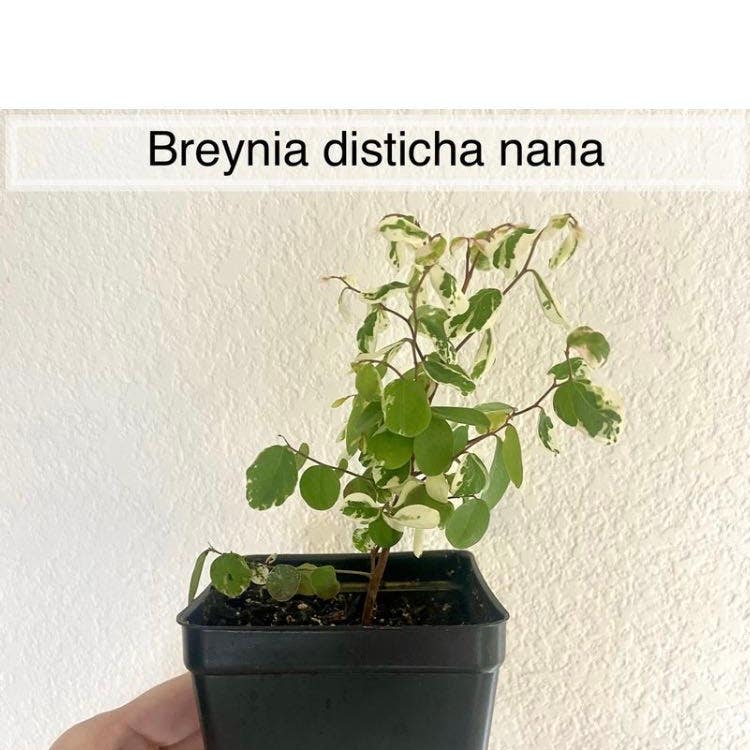
Should I Repot My Brenia Snowbush?
Breynia disticha
By the Greg Editorial Team
Jun 18, 2024•4 min read
This article was created with the help of AI so we can cover more plants for you. May contain errors. See one? Report it here.
Discover the secret to a flourishing Snowbush 🌿 with the right repotting know-how and pot choice!
- 🌿 Terracotta, plastic, or ceramic? Each has pros/cons for Snowbush.
- 💧 Well-draining soil mix with perlite or pumice is key.
- 🌤️ Bright, indirect light and careful watering post-repotting.
Choosing the Right Pot and Potting Mix
🏺 Pot Material Showdown
Terracotta, plastic, or ceramic – which is best for your Brenia Snowbush? Let's break it down.
Terracotta is the gym shorts of the pot world: breathable and no-nonsense. It wicks away moisture, preventing root rot, but it's heavy and can crack if you look at it wrong. Plastic is the lightweight contender, cheap and cheerful, but it holds onto water like a camel, which can be a problem if you're overzealous with the watering can. Ceramic pots are the stylish middle child, less porous than terracotta but with a bit of breathability, and they come in enough designs to make your head spin.
🌱 Mixing It Up with Soil
Your Snowbush craves a potting mix that drains well but still holds onto enough moisture to keep it from throwing a tantrum. Think of it as a balanced diet for your plant.
For a Snowbush-friendly mix, grab some all-purpose potting soil and jazz it up with perlite or pumice to increase drainage. You want a mix that's like a good party host – attentive but not smothering. Avoid soil mixes with added fertilizers; they're the equivalent of overfeeding your guests. And if you're feeling eco-friendly, skip the peat and go for coco coir-based mixes. They're sustainable and have great drainage without getting too clingy with water.
Before you repot, moisten the soil mix slightly. It should be damp, not drenched – think of it as setting the mood for your Snowbush's new home.

The Repotting Process: A Step-by-Step Guide
🌱 Pre-Repotting Prep
Before diving into the repotting process, ensure you have all the necessary tools on hand. Optimal timing is crucial; aim for early spring or fall when your Brenia Snowbush is not in active growth mode.
🔄 Out with the Old
To remove your Snowbush from its current pot, tilt and tap; no need for a tug-of-war. If the plant resists, a chopstick through the drainage hole can encourage a graceful exit. Avoid root damage—be as gentle as a bomb defusal expert.
🔄 In with the New
When planting your Snowbush in its new pot, center and stabilize it before backfilling with soil. Gently prune tangled roots to encourage outward growth. After filling, water the plant to settle the soil and eliminate air pockets. Remember, it's about giving the roots a fresh start, not drowning them.

Post-Repotting Care: Helping Your Snowbush Settle In
💦 The First Few Days: Watering and Light Tips
After the repotting shuffle, your Brenia Snowbush will need some TLC. Water it thoroughly once, then back off and let the top inch of soil dry out before going in for another splash. It's like a trust fall with your plant—give it space to seek out moisture. Place your Snowbush in a bright spot, but shield it from harsh direct sunlight that could stress it out more than your last family reunion.
🌿 Long-term Love: Ongoing Care for a Thriving Snowbush
For the long haul, your Snowbush is going to need consistent care. Water judiciously, always checking the soil before giving it a drink. Overwatering is the fast track to root rot, and nobody wants that. As for light, keep it in a place where it can bask in bright, indirect light—think of it as the plant equivalent of a cat finding that sunny spot on the carpet.
Remember, the Snowbush is a bit of a diva when it comes to temperatures; keep it away from drafts and anything below 45°F (7.4°C). It's not asking for a fur coat, just some common sense. And don't forget, this plant is a sucker for well-draining soil—it's all about that breathability for the roots.
Regular pruning will keep your Snowbush looking like it's ready for the plant runway, and a little fertilizer can go a long way. Just don't go overboard—think of it as seasoning your favorite dish, not drowning it in sauce. Keep an eye out for signs of distress and be ready to adjust your care routine. Your Snowbush isn't going to send you a text when it's unhappy, so those visual cues are key.

⚠️ Safety First
This content is for general information and may contain errors, omissions, or outdated details. It is not medical, veterinary advice, or an endorsement of therapeutic claims.
Always consult a qualified healthcare professional before using any plant as food, medicine, or supplement.
Never eat any plant (or feed one to pets) without confirming its identity with at least two trusted sources.
If you suspect poisoning, call Poison Control (800) 222-1222, the Pet Poison Helpline (800) 213-6680, or your local emergency service immediately.
Spotted an error? Please report it here.
Repot your Brenia Snowbush with confidence and watch it flourish, as Greg 🌱 keeps you on track with custom care reminders and watering schedules.