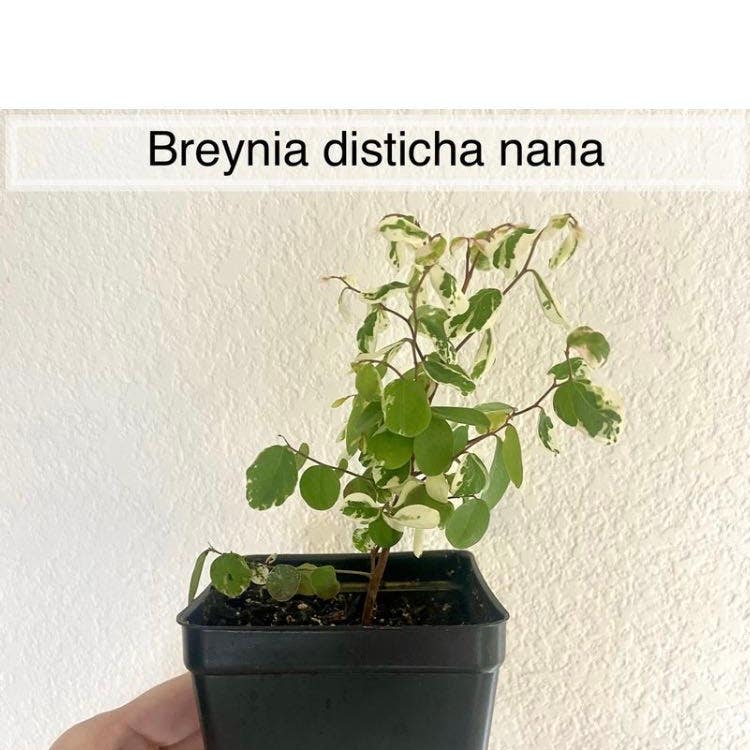
How Should Brenia Snowbush Be Cut Back?
Breynia disticha
By the Greg Editorial Team
Jun 18, 2024•4 min read
This article was created with the help of AI so we can cover more plants for you. May contain errors. See one? Report it here.
Ensure lush, variegated Snowbush 🌿 by mastering winter pruning for robust growth and shape! ✂️
- Winter pruning promotes health, avoiding damage to new growth from frost.
- 🌿 Use sharp tools; sterilize for clean cuts and plant hygiene.
- Shape and variegation maintenance requires strategic snipping and lighting.
Best Time to Prune Brenia Snowbush
📅 Seasonal Timing
Pruning Brenia Snowbush is not a free-for-all; timing is key. Winter is your go-to season, a period of dormancy for many plants, including this tropical stunner. It's when the Snowbush isn't actively pushing out new growth, making it the ideal time to get snippy without stressing the plant. This downtime allows for a clean slate, so when spring rolls around, your Snowbush is ready to burst into life with vigor.
🌱 Plant Lifecycle Considerations
Understanding the growth cycle of your Brenia Snowbush is like having an insider trading tip. Prune after the last frost has passed to avoid new growth getting zapped by a cold snap. It's all about the timing—prune too early, and you risk frostbite on new shoots; too late, and you'll cut into the season's growth. Keep an eye on the weather and your plant's cues. When it starts to wake up from its winter slumber, that's your green light to prune.

Pre-Pruning Prep Work
🛠️ Choosing Your Tools
Sharpness is non-negotiable. For Brenia Snowbush, you'll want a pair of bypass pruners for clean cuts. Loppers come in handy for thicker branches, while a pruning saw can tackle the heftiest of limbs. Keep them sterilized; think of it as hygiene for horticulture.
Assessing Your Snowbush
Look at your Snowbush like it's a puzzle. Identify dead or diseased branches first—they're out. Next, spot the overcrowded areas; these need breathing room. Visualize the desired shape, but stay flexible—plants have their own ideas about growing.

Pruning Techniques for Brenia Snowbush
🌱 Basic Pruning Steps
Pruning your Brenia Snowbush doesn't have to be a daunting task. Start by identifying the dominant buds and snip them off to encourage bushier growth. Stagger your cuts across different stems for a more natural look. For a fuller plant, trim some branches back by a quarter, others by half, and if you're feeling bold, cut a few right back to their base.
🌿 Shaping and Size Control
Shape your Snowbush with intention. Pinch the end stems when the plant is young to promote a denser form. If you're after a specific size or shape, don't hesitate to cut back overgrown branches. Remember, un-pruned Snowbushes naturally form a vase shape, so use that to your advantage when planning your cuts.
🌱 Encouraging Healthy Growth
To ensure your Snowbush thrives, prune annually in winter. This timing allows you to control size and encourages healthy new growth. For the best results, remove one to three large canes from the center to improve air circulation. Target older, grayer canes, making your cuts close to the ground to promote rejuvenation.

Special Considerations for Variegation
🌿 Maintaining Variegation Through Pruning
Variegated Brenia Snowbushes are the divas of the garden, demanding a bit more attention to keep their stunning patterns in the spotlight. Pruning plays a crucial role in this.
The Variegation Factor
To maintain the eye-catching variegation, you'll need to channel your inner garden ninja. Snip off any leaves that have lost their variegated mojo, reverting to solid green. It's not just about aesthetics; it's about encouraging the plant to focus its energy on producing more of those variegated leaves we all love.
The Right Cut
When you spot a leaf that's more green than a St. Patrick's Day parade, cut it back to the base. This isn't just a trim; it's a strategic move to keep the variegation strong. Remember, variegation can be as fickle as a cat's affection – it needs the right light and care to thrive.
Light It Up
Speaking of light, variegated plants are like Instagram influencers; they need good lighting to look their best. Too much shade and they'll ditch their vibrant patterns faster than a chameleon on a disco floor. Keep them in a spot that's bright but not sunnier than a solar flare, and they'll reward you with their best look.
Genetic Roulette
Keep in mind, variegation can be as unpredictable as a plot twist in a telenovela. Sometimes, despite your best efforts, a plant decides to go rogue and embrace its green side. It's the genetic lottery of gardening, and sometimes you just have to roll with it.
Patented Pretties
Lastly, if you're dealing with a patented variety, make sure you're not stepping on any legal toes. Pruning patented plants can be like navigating a minefield blindfolded, so do your homework to avoid an explosion of legal woes.
In short, keep your variegated Snowbush well-lit, well-pruned, and well-loved, and it'll be the star of your garden show.
⚠️ Safety First
This content is for general information and may contain errors, omissions, or outdated details. It is not medical, veterinary advice, or an endorsement of therapeutic claims.
Always consult a qualified healthcare professional before using any plant as food, medicine, or supplement.
Never eat any plant (or feed one to pets) without confirming its identity with at least two trusted sources.
If you suspect poisoning, call Poison Control (800) 222-1222, the Pet Poison Helpline (800) 213-6680, or your local emergency service immediately.
Spotted an error? Please report it here.
Ace your Brenia Snowbush winter pruning ❄️ with Greg's timely reminders and expert community advice to ensure vibrant, bushy growth!