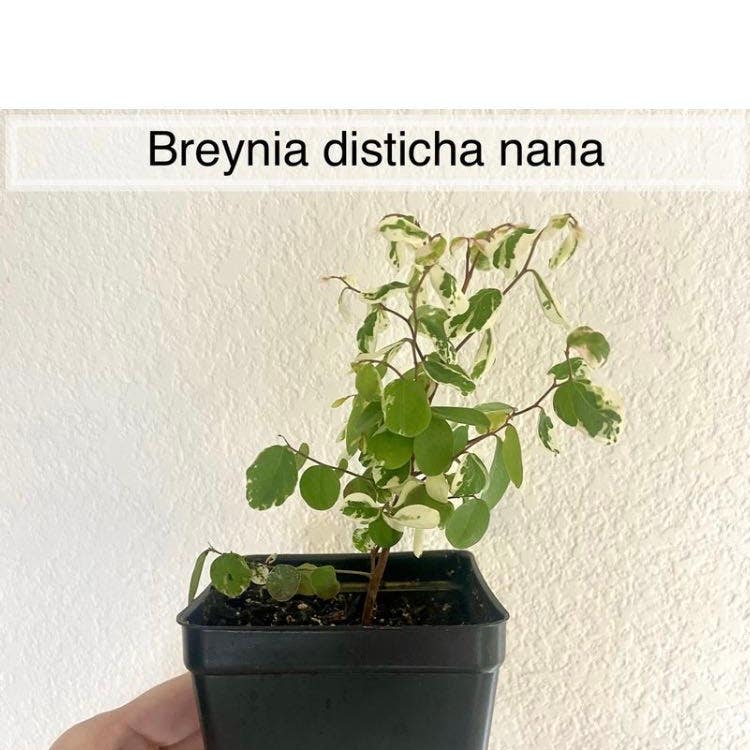
Soil Recommendations for Brenia Snowbush
Breynia disticha
By the Greg Editorial Team
Jun 18, 2024•5 min read
This article was created with the help of AI so we can cover more plants for you. May contain errors. See one? Report it here.
Avoid root rot and bloom beautifully 🌼 by perfecting your Brenia Snowbush's soil mix with our expert guide.
- Signs of trouble: Waterlogging, mold, and odors indicate poor soil health.
- Aeration and drainage are key to preventing root rot and ensuring plant vitality.
- Enrich with organic matter, and choose commercial soil carefully for best results.
Spotting Trouble: When Brenia Snowbush Soil Goes Bad
🚨 Telltale Signs of Unhealthy Soil
Waterlogging is a Brenia Snowbush's cry for help; it's a sign that your plant's roots are drowning. If the soil feels more like a wet sponge than a moist cradle, it's time to intervene. Mold is another red flag; a white, fuzzy growth on the soil surface is a clear indicator that your Snowbush is in distress. And let's not ignore the odors—a healthy soil shouldn't smell like last week's leftovers.
The Consequences of Ignoring the Signs
Neglecting these signs is like ignoring a smoke alarm. Your Snowbush could suffer from root rot, which is as bad as it sounds—think of it as plant gangrene. And once the roots go, the whole plant's in jeopardy. If you let mold and waterlogging slide, you're basically rolling out the red carpet for a host of health issues that could spell the end for your leafy friend.

Fixing the Soil Faux Pas
🍄 Mold Be Gone: Remedying Moldy Soil
Mold in your Brenia Snowbush soil is like an uninvited guest at a party—it needs to go. First, evict visible mold with a spoon, and don't look back. Second, let the soil dry out. If it feels like a damp sponge, you've been overzealous with the watering can. Third, consider a natural fungicide. Cinnamon isn't just for lattes; it's a mold's nemesis. If all else fails, a commercial fungicide can step in, but use it like a scalpel, not a sledgehammer.
💨 Aeration and Drainage: The Dynamic Duo
Your Snowbush's roots need to breathe, and compact soil is like a pillow over their face. Aerate the soil by gently fluffing it up—think of it as giving your plant's roots a mini spa treatment. Drainage is equally crucial. Ensure your pot's holes aren't just for show; they should be a superhighway for excess water. If water sticks around like a bad habit, it's time to mix in some perlite or coarse sand. This isn't just busy work; it's giving your plant the luxury of space. Keep an eye on those drainage holes; clogged ones are about as useful as a screen door on a submarine.

Crafting the Perfect Soil Mix at Home
🏗️ The Foundation: Selecting Base Materials
Creating a stable foundation for your Brenia Snowbush begins with the right base materials. Drainage is critical, so choose a potting soil that's loose and well-aerated. Aim for a mix that includes two parts all-purpose potting soil, ensuring it's free from contaminants and pests.
🌱 Nutrient Boost: Adding Organic Matter
To give your Snowbush the nutrients it craves, incorporate organic matter like compost or worm castings. This not only enriches the soil but also improves its structure. A half part of this organic gold will do the trick, making your soil mix both nutritious and delicious (for the plant, of course).
🌪 Mixing It Up: Creating the Ideal Blend
Now, let's get our hands dirty. For every two parts of your potting soil, mix in one part perlite and one part coarse sand. This trio is the holy grail for drainage and aeration. Don't forget to add that half part of organic matter for a nutrient kick. Mix thoroughly to avoid any "nutrient hotspots" or uneven drainage. Your Brenia Snowbush will thank you with vibrant growth and a show of gratitude through its lush foliage.

When Time Is of the Essence: Choosing Commercial Soil
🌱 Picking the Best Bag for Your Bush
When your Brenia Snowbush demands immediate attention, and you're short on time, reaching for a commercial soil mix is a no-brainer. Here's how to ensure you're grabbing the gold and not just dirt.
Key Ingredients to Look For
Drainage is king for Snowbush. Look for a mix that includes perlite or coarse sand to keep those roots breathing easy. Organic matter is also non-negotiable; it's the buffet your Snowbush craves. Spot mixes with compost or worm castings, and you're on the right track.
Weight Matters
A hefty bag might seem like a good workout, but it's a red flag for soil health. Lighter mixes often mean better aeration, crucial for your Snowbush's delicate roots. Don't break your back, or your plant's spirit, with a mix that's too dense.
The Label is Your Treasure Map
Never skip reading the label. It's the difference between a thriving Snowbush and a botanical blunder. Avoid mixes that look like they're auditioning for a clay sculpture class. No sticky mud here, please.
pH Levels and Additives
Your Snowbush isn't picky, but it doesn't like extremes. Aim for a slightly acidic to neutral pH. Watch out for surprise guest appearances by added fertilizers that can cause more drama than an unexpected plot twist in your favorite show.
Seasonal Considerations
If your weather has more mood swings than a teenager, consider a mix with adjustable water retention. It'll adapt to your Snowbush's needs whether it's sweating in the heat or shivering in the cold.
Convenience vs. Quality
Sure, you could mix your own soil, but sometimes life doesn't afford us the luxury of time. A quality commercial mix is like hitting the easy button, provided you've done your homework. Remember, convenience shouldn't mean compromise.
By keeping these pointers in mind, you'll ensure your Brenia Snowbush is planted in a commercial soil mix that's as close to custom-made as it gets.
⚠️ Safety First
This content is for general information and may contain errors, omissions, or outdated details. It is not medical, veterinary advice, or an endorsement of therapeutic claims.
Always consult a qualified healthcare professional before using any plant as food, medicine, or supplement.
Never eat any plant (or feed one to pets) without confirming its identity with at least two trusted sources.
If you suspect poisoning, call Poison Control (800) 222-1222, the Pet Poison Helpline (800) 213-6680, or your local emergency service immediately.
Spotted an error? Please report it here.
With the right soil mix and Greg's precise watering reminders 🌱, your Brenia Snowbush is set to flourish without the fear of waterlogging or root rot.