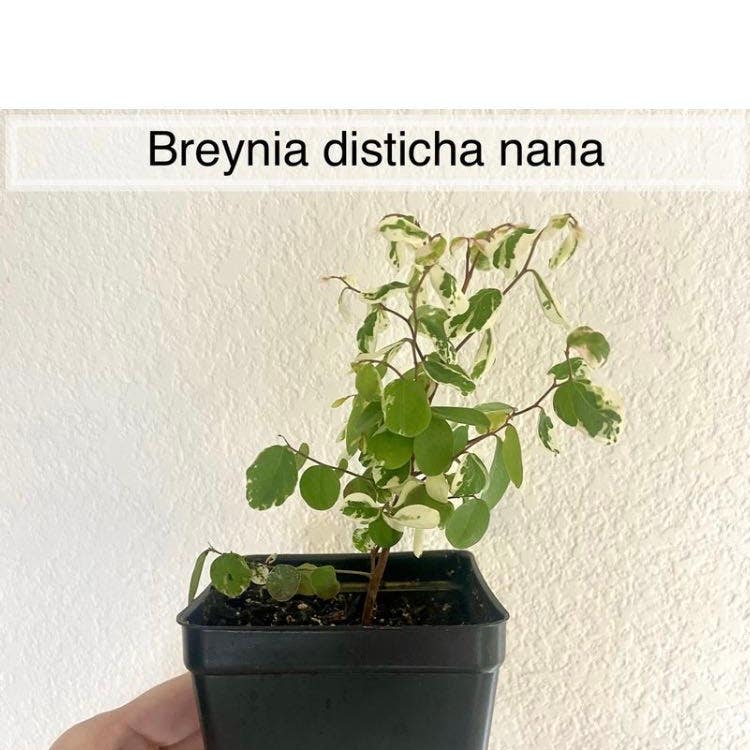
All About Breynia fruticosa: Essential Facts 📚
Breynia disticha
By the Greg Editorial Team
Jan 29, 2025•11 min read
This article was created with the help of AI so we can cover more plants for you. May contain errors. See one? Report it here.
Elevate your garden with Breynia fruticosa's vibrant foliage and easy care tips! 🌿
- 🌞 Breynia fruticosa thrives in full sun to partial shade, adaptable to various conditions.
- 🌱 Use well-draining soil with pH 6.0-7.0 for optimal growth and health.
- 💧 Water when the top inch is dry; avoid overwatering and underwatering for best results.
How to Grow
🌞 Choosing a Location
Breynia fruticosa thrives in full sun to partial shade. When deciding between outdoor or container growing, consider your space and climate; containers offer flexibility, while outdoor planting allows for natural growth.
🌱 Soil Preparation
For optimal growth, use well-draining, fertile soil. Aim for a pH level between 6.0 and 7.0, which is slightly acidic to neutral, to ensure your plant flourishes.
🌿 Planting Techniques
When planting, dig a hole that is 1-2 inches deeper than the root ball. For outdoor planting, space your plants 2-3 feet apart to allow for healthy growth and airflow.
💧 Watering Requirements
Water your Breynia fruticosa when the top inch of soil feels dry. Be mindful of overwatering and underwatering; signs include wilting leaves or yellowing, which indicate a need for adjustment.
🌼 Fertilizing Schedule
Use a balanced NPK fertilizer, such as 10-10-10, to nourish your plant. Fertilize every 4-6 weeks during the growing season for best results.
✂️ Pruning Methods
Prune your plant in late winter or early spring to encourage bushiness. Pinching back the tips of stems helps promote a fuller appearance.
🌧️ Ongoing Care
For container care, ensure proper drainage and regularly monitor moisture levels. If growing outdoors, apply mulch to retain moisture and suppress weeds, keeping your plant healthy and vibrant.
With these essential growing tips, your Breynia fruticosa will thrive, setting the stage for a beautiful addition to your garden or home. Next, let’s explore how to propagate this resilient plant.
Propagation
Seed Propagation 🌱
To start with seed propagation, soak the seeds for 24 hours before planting. This simple step helps kickstart the germination process, which typically takes about 2 to 4 weeks.
Cutting Propagation ✂️
For cutting propagation, select healthy stems that are 4 to 6 inches long. Use a rooting medium that combines peat and perlite for optimal results.
Layering Techniques 🌿
Layering is another effective method. Bend a low branch to the ground, cover it with soil, and in about 4 to 6 weeks, you’ll see roots developing.
This variety of propagation techniques allows you to expand your Breynia fruticosa collection easily. Whether you choose seeds, cuttings, or layering, each method offers a unique way to enjoy this beautiful plant. Next, let’s explore the lifecycle of Breynia fruticosa and understand its growth stages.
Lifecycle
Germination Process 🌱
Breynia fruticosa seeds thrive in warm temperatures and require consistent moisture to germinate effectively. Providing these optimal conditions will set the stage for successful growth.
Seedling Development 🌿
Once germinated, seedlings take about 4-6 weeks to establish themselves. During this time, they develop a strong foundation for future growth.
Vegetative Growth Phase 🌳
The vegetative growth phase lasts between 3-6 months. This is when the plant focuses on growing leaves and stems, preparing for the next stages of its lifecycle.
Flowering and Seed Production 🌸
Typically, Breynia fruticosa flowers in late summer. After flowering, seeds develop, ensuring the continuation of the species.
Lifespan and Growth Timeline ⏳
Under optimal conditions, Breynia fruticosa can live for 5-10 years. It has a moderate growth rate, reaching maturity within 1-2 years, making it a rewarding addition to any garden.
This lifecycle overview highlights the essential stages of Breynia fruticosa, from germination to maturity. Understanding these phases can help you nurture this plant effectively, ensuring it thrives in your care.
Size
Mature Height and Spread 🌱
Breynia fruticosa typically reaches an average height of 3 to 6 feet, making it a versatile choice for various garden settings. Its spread ranges from 2 to 4 feet, allowing it to fit comfortably in both small and larger spaces.
Growth Rate and Size Variability 📈
This plant exhibits a moderate growth rate, which can vary based on environmental conditions. Factors such as light exposure, water availability, and soil quality play crucial roles in determining how quickly it grows.
Impact of Growing Conditions on Size 🌍
The size of Breynia fruticosa is significantly influenced by its growing conditions. Adequate sunlight, consistent watering, and nutrient-rich soil will promote healthier, more robust growth, while poor conditions can stunt its development.
Understanding these aspects of size can help you make informed decisions about planting and caring for Breynia fruticosa. With the right conditions, this plant can thrive and enhance your garden's beauty.
Roots
Root System Characteristics 🌱
Breynia fruticosa features a fibrous root system that supports its growth and stability. This type of root structure allows the plant to efficiently absorb nutrients and water from the soil.
Depth and Spread of Roots 📏
Typically, the roots of Breynia fruticosa extend to a depth of 12-18 inches. They can also spread beyond the plant's canopy, which helps anchor the plant and access resources.
Common Root-Related Issues ⚠️
One of the most common problems is root rot, often caused by overwatering. Signs of this issue include wilting leaves and yellowing foliage, indicating that the roots are struggling.
Identifying Healthy vs. Unhealthy Roots 🧐
Healthy roots are firm, white, and spread evenly throughout the soil. In contrast, unhealthy roots appear dark, mushy, or may emit a foul smell, signaling that something is wrong.
Recognizing and Addressing Rootbound Conditions 🔄
If you notice roots growing out of the drainage holes, your plant may be rootbound. The solution is simple: repot the plant into a larger container or prune the roots to encourage new growth.
Understanding the root system of Breynia fruticosa is essential for its care. By keeping an eye on root health, you can ensure your plant thrives beautifully.
Benefits
Breynia fruticosa, often celebrated for its vibrant foliage, offers a multitude of benefits that make it a fantastic addition to any garden or indoor space.
Top 5 Benefits 🌟
Aesthetic Appeal
The colorful leaves of Breynia fruticosa can transform any garden into a visual delight. Its striking appearance adds a splash of color that can brighten up dull corners.Versatility
This plant thrives in both indoor and outdoor settings, making it a flexible choice for various environments. Whether you have a spacious garden or a cozy apartment, Breynia fruticosa fits right in.Low Maintenance
Once established, Breynia fruticosa requires minimal care. This makes it perfect for busy gardeners or those new to plant care, as it can flourish with just a little attention.Air Purification
Like many houseplants, Breynia fruticosa contributes to improved air quality. It helps filter out toxins, creating a healthier living space for you and your family.Cultural Significance
In tropical regions, Breynia fruticosa is often used in traditional landscaping. Its presence can evoke a sense of place and connection to local culture, enriching your garden's narrative.
Incorporating Breynia fruticosa into your space not only enhances its beauty but also brings practical benefits. As we explore the next section on companion plants, consider how this versatile plant can work harmoniously with others in your garden.
Companion Plants
🌱 Concept of Companion Planting
Companion planting is all about creating a harmonious garden environment. It enhances diversity and helps with pest management, making your Breynia fruticosa thrive alongside its plant buddies.
🌿 Best Companion Plants
When considering companions for Breynia fruticosa, think about plants like Coleus and Croton. These tropical foliage plants not only share similar care needs but also add vibrant visual appeal to your garden.
🚫 Plants to Avoid
Be cautious with heavy feeders that may compete for nutrients. Plants like tomatoes or corn can drain the soil, leaving your Breynia fruticosa struggling to get the nutrients it needs.
Incorporating the right companions can elevate your gardening experience. With thoughtful plant pairings, you can create a thriving ecosystem that benefits all your plants.
Toxicity to Humans
🛡️ Safety of Breynia fruticosa for Humans
Breynia fruticosa is generally considered safe for humans, as it is not listed as toxic by major poison control centers. However, minor issues can arise from contact or ingestion, such as mild skin irritation or digestive discomfort if consumed in large quantities.
It's always wise to exercise caution when handling any plant. If you experience unusual symptoms after contact or ingestion, seeking medical advice is recommended to ensure your safety.
Toxicity to Dogs
🐶 Safety of Breynia fruticosa for Dogs
Breynia fruticosa is generally safe for dogs, as it is not listed as toxic by major pet poison control centers. However, if your furry friend consumes large quantities, they may experience mild gastrointestinal upset.
To ensure a harmonious home, consider the placement of Breynia fruticosa. Keep it out of reach and monitor your dog's behavior around the plant. This way, you can enjoy the beauty of this plant while keeping your pet safe and sound.
Toxicity to Cats
🐱 Safety of Breynia fruticosa for Cats
Breynia fruticosa is not considered toxic to cats according to major pet poison control centers. This means you can enjoy this beautiful plant without worrying too much about your feline friends.
However, if your cat consumes large quantities, it may experience mild gastrointestinal upset. It's always best to monitor your pet's behavior and health, especially if they show interest in nibbling on your plants.
🏡 Tips for Introducing Breynia fruticosa in Homes with Cats
When bringing Breynia fruticosa into your home, consider its placement carefully. Keep it out of reach of curious cats to minimize the chances of them munching on it.
Additionally, observe your cat's behavior around the plant. If you notice any unusual interest or signs of discomfort, it might be wise to relocate the plant or consult a veterinarian for advice.
With a little caution, you can enjoy the vibrant beauty of Breynia fruticosa while keeping your furry companions safe.
Problems
Common Problems Faced 🌱
Growing Breynia fruticosa can be rewarding, but it’s not without its challenges. Understanding these common problems can help you maintain a healthy plant.
Incorrect Watering 🚰
Watering issues are among the most frequent problems. Overwatering leads to yellowing leaves and wilting, while underwatering causes the leaves to become crispy and dry.
Incorrect Light Conditions ☀️
Light plays a crucial role in plant health. Insufficient light can result in leggy growth, while too much direct sunlight may cause leaf scorch, leading to unsightly brown edges.
Incorrect Temperature 🌡️
Temperature fluctuations can stress your Breynia fruticosa. If the plant wilts or shows stunted growth, it may be reacting to extreme heat or cold.
Diseases 🦠
Fungal diseases, like powdery mildew, can plague your plant if conditions are too humid. Regular monitoring and good air circulation can help prevent these issues.
Root Problems 🥴
Root health is vital for overall plant vigor. Signs of root rot include mushy roots and a foul smell, indicating overwatering or poor drainage.
By being aware of these common problems, you can take proactive steps to ensure your Breynia fruticosa thrives. Next, let’s explore potential pest issues that may affect your plant.
Bugs
🐜 Potential Pest Issues
Breynia fruticosa can face various pest challenges, but it also shows some resilience. Understanding its susceptibility helps in proactive management.
🔍 Identification of Common Pests
Several pests may target your Breynia fruticosa, including:
- Spider Mites: Tiny, spider-like creatures that cause stippling on leaves.
- Scale Insects: Small, immobile pests that appear as bumps on stems and leaves.
- Mealybugs: White, cottony masses that cluster in leaf joints.
- Aphids: Small, green or black insects that suck sap, causing curling leaves.
- Whiteflies: Tiny, white flying insects that leave a sticky residue on plants.
⚠️ Damage Caused by Pests
Each pest brings its own set of problems:
- Spider Mites: They create a fine webbing and cause leaves to yellow and drop.
- Scale Insects: They weaken the plant by sucking sap, leading to stunted growth.
- Mealybugs: They can cause leaf drop and overall decline due to sap loss.
- Aphids: Their feeding can distort leaves and promote sooty mold growth.
- Whiteflies: They weaken plants and can transmit viruses, leading to further issues.
🛠️ Effective Treatment Options
Managing pests on Breynia fruticosa can be approached in several ways:
- Organic Methods: Introduce beneficial insects like ladybugs or use insecticidal soap to control populations.
- Chemical Control: Use targeted insecticides for severe infestations, ensuring to follow label instructions.
- Cultural Practices: Regularly inspect plants, maintain good air circulation, and remove affected leaves to minimize pest attraction.
By staying vigilant and employing these strategies, you can keep your Breynia fruticosa healthy and thriving. Next, let's explore what animals might be drawn to this beautiful plant and how to protect it from their nibbling.
What Eats Breynia fruticosa
🦌 Common Animals That May Damage
Breynia fruticosa can attract a variety of hungry critters. Common culprits include deer, rabbits, squirrels, birds, rodents, and groundhogs.
🕵️♂️ Signs of Animal Presence
To identify if animals are munching on your plant, look for tracks and droppings nearby. Additionally, visible damage to the foliage can indicate their presence.
⚠️ Types of Damage Caused
These animals can cause significant harm by stripping leaves, nibbling on stems, and ultimately leading to overall plant decline. Such damage can hinder the plant's growth and aesthetic appeal.
🚫 Deterrent Methods
To protect your Breynia fruticosa, consider using chemical repellents that deter these pests. Alternatively, organic solutions like barriers and companion planting can effectively keep them at bay.
By implementing these strategies, you can safeguard your plant and enjoy its beauty without the worry of unwanted visitors. Next, let's explore the common problems faced when growing Breynia fruticosa.
⚠️ Safety First
This content is for general information and may contain errors, omissions, or outdated details. It is not medical, veterinary advice, or an endorsement of therapeutic claims.
Always consult a qualified healthcare professional before using any plant as food, medicine, or supplement.
Never eat any plant (or feed one to pets) without confirming its identity with at least two trusted sources.
If you suspect poisoning, call Poison Control (800) 222-1222, the Pet Poison Helpline (800) 213-6680, or your local emergency service immediately.
Spotted an error? Please report it here.
Grow your Breynia fruticosa into a thriving beauty 🌿 with Greg's tailored care tips and watering reminders that take the guesswork out of plant parenting!