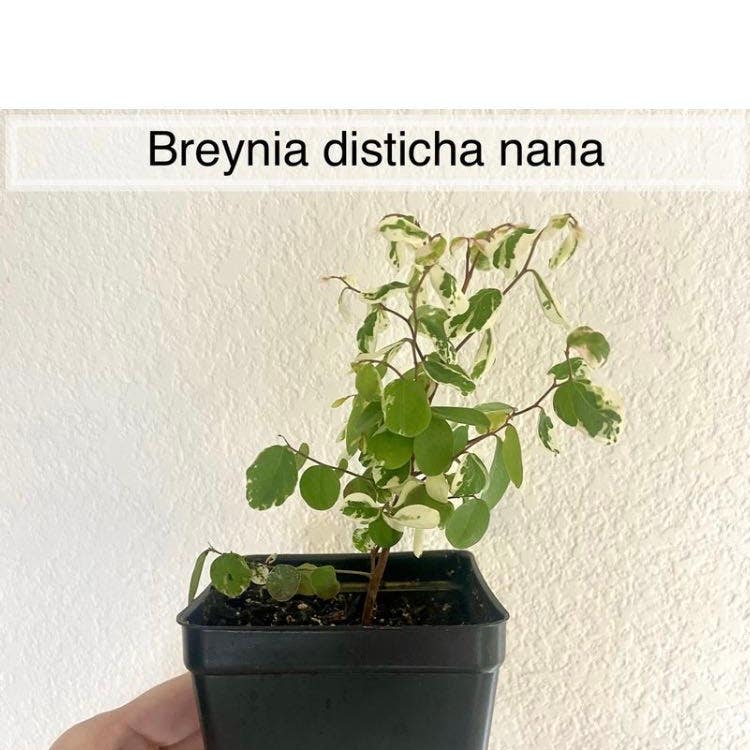
Why Are My Brenia Snowbush Leaves Turning Yellow?
Breynia disticha
By the Greg Editorial Team
Jun 18, 2024•4 min read
This article was created with the help of AI so we can cover more plants for you. May contain errors. See one? Report it here.
Solve the mystery of your Snowbush's yellow leaves 🍂 and bring back its vibrant green splendor! 🌿
- Overwatering and poor drainage often lead to yellow Snowbush leaves.
- Nutrient deficiencies and pests can also cause leaf discoloration.
- Prune and adjust care to maintain a healthy, green Snowbush.
Pinpointing the Culprits Behind Yellow Leaves
💦 Overwatering and Poor Drainage
Overwatering turns your Brenia Snowbush's home into a swampy mess. If the leaves are more yellow than a rubber duck and the soil feels like a wet sponge, you've been too generous with the watering can.
Poor drainage is the accomplice, trapping water like a dam. Roots can't swim, so they end up drowning in the excess moisture.
🍽️ Nutrient Shortfalls
Yellow leaves can also scream deficiencies in nitrogen, iron, or magnesium. If your plant's older leaves look like they've lost their will to live, nitrogen might be the missing piece.
For soil that's as nutrient-rich as a fast-food salad, soil testing is your best friend. It'll spill the tea on what's missing. Follow up with a balanced fertilizer, but don't go overboard—think of it as seasoning, not the main course.
🌞 Environmental Stress Factors
Sunlight, temperature, and air quality can turn your Snowbush into a drama queen. If it's getting more light than a sunbather at high noon, or if the temperature swings are more unpredictable than a reality TV show, stress could be turning those leaves yellow.
Adjust the plant's environment to give it the stability it craves. Think of it as setting the mood—just right for growth, without the drama.

Tackling Pests and Diseases
🐛 Common Pests That Cause Yellowing
Spider mites and aphids are the usual suspects when leaves turn yellow. These tiny vampires suck the life out of leaves, leaving them pale and sickly. To spot spider mites, look for fine webs and a dusty appearance on leaves. Aphids are easier to spot, often clustering on new growth and under leaves.
To send these pests packing, blast them with water or apply insecticidal soap or neem oil. It's like showing up to a mosquito party with a flamethrower – effective and satisfying.
🦠 Diseases That Lead to Discoloration
Fungal diseases are the ninjas of the plant world, often going unnoticed until it's too late. Yellow spots or lesions on leaves can be a cry for help. Overhead watering or high humidity often invites these uninvited guests.
To combat fungal diseases, improve air circulation around your plant. Think of it as giving your plant its personal space. If necessary, apply a fungicide, but do it with the precision of a sniper – only affected areas need treatment. Prune away the zombie bite, I mean, the infected parts, to prevent the spread.

Reviving Your Brenia Snowbush
💧 Soil and Fertilization Fixes
Balancing soil pH is crucial for the Brenia Snowbush. A neutral to slightly alkaline pH is the sweet spot. If your Snowbush is looking more yellow than a school bus, it might be time to check that pH. Grab a soil test kit and get to the root of the problem.
Fertilization should be like a multivitamin, not an all-you-can-eat buffet. Use a balanced fertilizer, but don't go overboard. Overfeeding can lead to more harm than good. Think of it as a nutrient top-up, not a nutrient flood.
✂️ Pruning for Health and Beauty
Pruning isn't just about aesthetics; it's about health. If your Snowbush's leaves are turning yellow, it's time for some tough love. Snip off the yellowed leaves to redirect energy to the healthier parts of the plant.
Remember, timing is everything. Prune when the plant is not in active growth to avoid stressing it further. And always use clean, sharp tools to make clean cuts. This isn't a hack job; it's precision surgery for your plant.

Keeping Your Snowbush Happy and Green
💧 Watering Wisdom
Creating a watering schedule that respects the Snowbush's thirst without drowning it is a balancing act. Here's the skinny: let the soil dry out a bit between drinks. Too much H2O and you're on a slippery slope to root rot.
Consistency is your best friend here. Think of it as a regular coffee date with your plant. You wouldn't bail on coffee, so don't bail on watering. But don't turn it into a pool party either.
🌞 Environmental Harmony
Fine-tuning your Snowbush's digs is like being a DJ for plant vibes. Bright light? Yes, please, but don't let it sizzle under the midday sun. Think bright, indirect light, like a sunny brunch spot, not a tanning bed.
Temperature is another lever to pull. Keep it comfy, not too hot, not too cold. If you're shivering or sweating, chances are your Snowbush is too.
And airflow, let's not forget that. Stagnant air is about as good for your plant as a stale party. Keep the air moving, but avoid the gale-force winds of an open window on a stormy day.
Remember, it's not just about keeping your Snowbush alive. It's about making it thrive.
⚠️ Safety First
This content is for general information and may contain errors, omissions, or outdated details. It is not medical, veterinary advice, or an endorsement of therapeutic claims.
Always consult a qualified healthcare professional before using any plant as food, medicine, or supplement.
Never eat any plant (or feed one to pets) without confirming its identity with at least two trusted sources.
If you suspect poisoning, call Poison Control (800) 222-1222, the Pet Poison Helpline (800) 213-6680, or your local emergency service immediately.
Spotted an error? Please report it here.
Combat yellow leaves on your Brenia Snowbush by letting Greg craft a custom care schedule 📅 that tackles watering, nutrients, and environmental needs for a healthier plant.