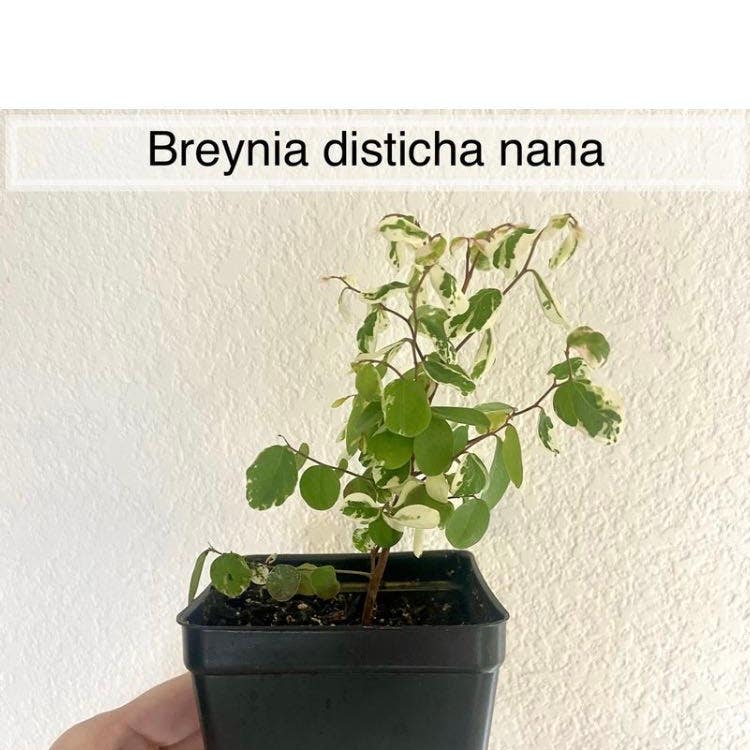
How Often Do I Need to Water My Brenia Snowbush?
Breynia disticha
By the Greg Editorial Team
Jun 18, 2024•4 min read
This article was created with the help of AI so we can cover more plants for you. May contain errors. See one? Report it here.
[[Draft Statement]]: Keep your Brenia Snowbush thriving with the perfect watering schedule tailored to its unique needs.
[[Thoughts]]: The first draft is clear and informative, but it lacks a strong hook and doesn't utilize the maximum character limit effectively. It also doesn't include any emoji, which
- 🌱 Check soil moisture 2-3 inches deep; dry soil means water your Snowbush.
- Seasons change, so does watering: more in summer, less in winter.
- 🚿 Deep soaks for roots, drip irrigation for efficiency; avoid over and underwatering.
When to Water Your Brenia Snowbush
💧 Assessing Soil Moisture
Stick your finger in the soil about 2-3 inches deep; if it's dry, it's time to hydrate your Snowbush. For the squeamish, a wooden chopstick or a moisture meter can replace the finger test.
Different soil types retain water differently. Sandy soils dry out faster, while clay holds moisture longer, influencing how often you'll need to water.
🌞 Seasonal Watering Adjustments
In the summer heat, your Snowbush will likely be thirstier, requiring more frequent watering. Conversely, during winter, it's more of a camel, needing less.
Growth phases matter. A young, actively growing Snowbush may need more water to support its development compared to a mature, established plant.

How to Water Your Brenia Snowbush
💧 Watering Techniques
Deep soaks are your Snowbush's best friend. They encourage roots to grow deeper, making the plant more resilient and self-sufficient. Think of it as teaching your Snowbush to fish rather than just feeding it. Aim for a thorough watering that reaches the roots, rather than a superficial sprinkle that only wets the surface.
For those who prefer precision, drip irrigation might be your gadget of choice. It delivers water directly to the base of the plant, minimizing waste and reducing the risk of leaf diseases that can occur with overhead watering. If you're more of a hands-on person, a good old watering can or hose with a shower nozzle will do the trick—just ensure a gentle flow to avoid soil erosion.
🚱 Avoiding Common Watering Mistakes
Overwatering is like giving your Snowbush a drink when it's not thirsty—it can lead to root rot and a host of other issues. Signs to watch for include yellowing leaves and a general look of being unwell. If you're guilty of doting on your plant with too much H2O, ease up on the watering and let the soil dry out a bit between sessions.
Conversely, underwatering can leave your Snowbush looking parched and pitiful. Leaves might droop or curl, and the plant's growth could be stunted. If you've neglected your watering duties, don't just flood the pot in a panic. Instead, reintroduce water gradually to avoid shocking the plant's system. Remember, it's about finding that sweet spot where your Snowbush is neither swimming nor gasping for moisture.

Tailoring Watering to Your Environment
🌡️ Adapting to Your Climate
Your Brenia Snowbush is no stranger to change, and neither should your watering routine be. Hot and dry climates will see your Snowbush guzzling water, while cool and moist settings mean less frequent trips with the watering can. Stay on your toes and adjust to the rhythm of your local weather, not the calendar.
🏠 Indoor vs. Outdoor Care
🌱 Container Conundrums
Potted Snowbushes are entirely at your mercy for moisture, so get it right. They dry out faster than their earth-planted cousins, so monitor soil moisture like it's your job. Bright light indoors can mean more water, but always check the soil first—overwatering is a silent killer.
🌳 The Great Outdoors
Outdoor Snowbushes play by different rules. They have the sun, wind, and sometimes rain on their side, but these elements also make for a thirsty plant. Wind can dry out soil quickly, and full sun does the same. Be vigilant, and remember: a deep soak is better than a light sprinkle. Remove saucers to avoid waterlogging and keep an eye on the forecast—nature is unpredictable.

Keeping Your Snowbush Happy
🌿 Monitoring Plant Health
Leaves are the silent communicators of your Brenia Snowbush. Wilted or crispy leaves scream for water, while mushiness hints at overindulgence. Browning is a tell-tale sign of distress, starting small but potentially taking over if ignored. It's crucial to interpret these signals promptly to maintain your Snowbush's happiness.
💧 Fine-Tuning Your Watering Schedule
Your Snowbush's thirst varies with the seasons. When growth slows in the chill of winter, it's time to ease off the watering. Conversely, the summer sun can ramp up its need for hydration. Regularly adjust your watering schedule, like a DJ fine-tuning a mix, to keep the vibe of your Snowbush just right. Keep a journal of these adjustments; it's not only beneficial for the plant but also sharpens your gardening acumen.
⚠️ Safety First
This content is for general information and may contain errors, omissions, or outdated details. It is not medical, veterinary advice, or an endorsement of therapeutic claims.
Always consult a qualified healthcare professional before using any plant as food, medicine, or supplement.
Never eat any plant (or feed one to pets) without confirming its identity with at least two trusted sources.
If you suspect poisoning, call Poison Control (800) 222-1222, the Pet Poison Helpline (800) 213-6680, or your local emergency service immediately.
Spotted an error? Please report it here.
Achieve the perfect balance for your Brenia Snowbush's needs with season-smart 🌦 watering schedules from Greg, tailored to your home's unique conditions.