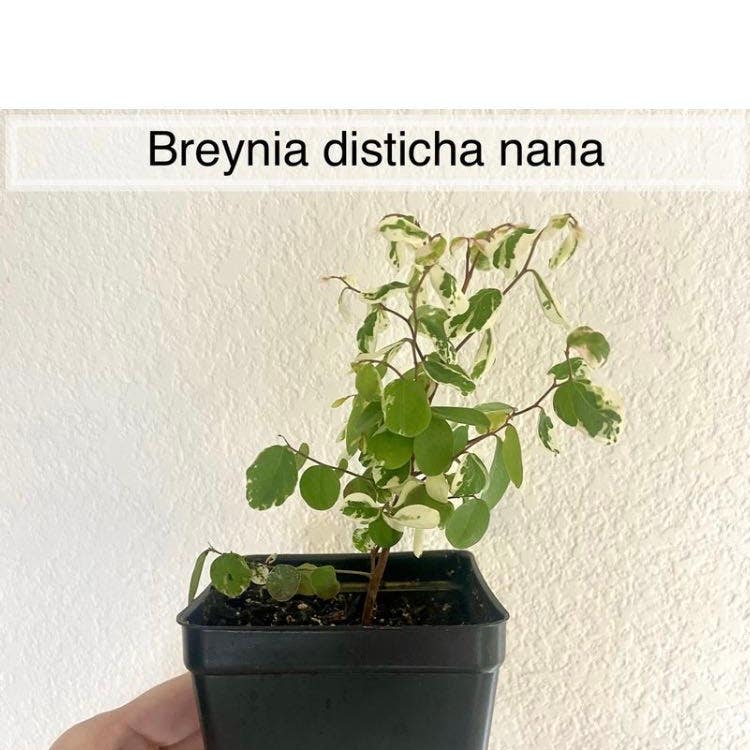
❄️ Snowbush Care: Preventing and Treating Root Rot
Breynia disticha
By the Greg Editorial Team
Sep 29, 2024•6 min read
This article was created with the help of AI so we can cover more plants for you. May contain errors. See one? Report it here.
Protect your snowbush from root rot 🌱 with essential tips for early detection and effective prevention!
- 🌱 Identify root rot early by checking for leaf discoloration and foul odors.
- 🧪 Use moisture tests to prevent overwatering and ensure healthy soil conditions.
- ✂️ Trim affected roots and replant in fresh soil for effective recovery.
Identifying Root Rot Symptoms
🌿 Visual Signs
One of the first indicators of root rot is leaf discoloration. You might notice your plant's leaves turning yellow or brown, signaling distress.
Another common symptom is wilting. If your plant appears droopy despite regular watering, it could be a sign of root issues.
🌱 Root Appearance
When examining the roots, look for dark, mushy roots. Healthy roots should be white and firm, so any deviation from this suggests a problem.
🚩 Behavioral Changes
Stunted growth is another red flag. If your plant isn't producing new leaves or seems to be declining, root rot may be the culprit.
You might also observe leaf drop. Premature shedding of leaves can indicate that the plant is struggling to thrive.
Lastly, a foul odor coming from the soil or roots is a clear sign of decay. This smell often accompanies root rot and should not be ignored.
🔍 Soil and Root Examination Techniques
To confirm root rot, start with soil moisture testing. Use a moisture meter or simply stick your finger into the soil to gauge its dampness.
Next, conduct a root inspection. Carefully remove the plant from its pot to examine the roots for any signs of distress.
Look for signs of fungal growth as well. Mold or unusual growth on the roots can indicate a serious problem that needs immediate attention.
Identifying these symptoms early can make a significant difference in your plant's recovery. With the right knowledge, you can take proactive steps to ensure your snowbush thrives.
Next, we’ll explore effective strategies for preventing root rot before it becomes a serious issue.
Preventing Root Rot
Preventing root rot is crucial for maintaining the health of your snowbush. By focusing on proper watering techniques, soil selection, and potting practices, you can create an environment that minimizes the risk of this common issue.
💧 Proper Watering Techniques
Establishing a consistent watering schedule is key. Adjust the frequency and amount based on seasonal needs; during warmer months, your plant may require more water, while in cooler months, less is often better.
Recognizing signs of overwatering is equally important. If you notice yellowing leaves or soil that remains soggy for extended periods, it’s time to reassess your watering habits.
🌱 Soil Selection and Drainage Solutions
Choosing the right soil can make all the difference. Opt for well-draining potting mixes that allow excess moisture to escape, reducing the risk of root rot.
To enhance drainage further, consider adding perlite or sand to your soil mix. This improves aeration and helps prevent water from pooling around the roots.
🪴 Best Practices for Potting and Repotting
Selecting the right pot is essential for your snowbush's health. Ensure it has adequate drainage holes to allow excess water to escape.
Repotting frequency also plays a role in preventing root rot. Aim to repot every couple of years or when you notice the roots outgrowing their current space.
When repotting, use techniques that minimize root disturbance. Gently loosen the root ball and avoid excessive handling to keep your plant healthy.
By implementing these preventive measures, you can significantly reduce the risk of root rot in your snowbush. Next, we’ll explore how to treat root rot effectively if it does occur.
Treating Root Rot
Step-by-Step Treatment Process
Assess the severity of root rot: Start by determining if your plant can be saved. Look for signs of life, such as green tissue or new growth.
Remove the plant from the pot: Gently extract the plant to avoid causing further damage. Be careful not to pull too hard, as this can break healthy roots.
Trim affected roots: Use sterilized scissors to cut away any dark, mushy roots. Healthy roots should be firm and white; discard anything that looks rotten.
Clean the pot: Disinfect the pot with a bleach solution to kill any lingering pathogens. This step is crucial to prevent reinfection.
Replant in fresh, dry soil: Choose a well-draining potting mix and a clean pot for replanting. This gives your plant a fresh start and helps prevent future issues.
🧪 Recommended Fungicides and Natural Remedies
Chemical options: Look for fungicides specifically designed to combat root rot. Products containing azoxystrobin or propiconazole are effective choices.
Natural remedies: Consider using cinnamon or neem oil as preventative measures. Both have antifungal properties and can help protect your plant from future infections.
👀 Post-Treatment Care and Monitoring
Watering adjustments: Allow the soil to dry out before rewatering. This helps prevent the conditions that lead to root rot.
Monitoring for recovery: Keep an eye out for signs of recovery in the weeks following treatment. New growth and vibrant leaves indicate your plant is bouncing back.
Regular inspections: Check for new growth and root health regularly. This proactive approach helps catch any potential issues early on.
By following these steps, you can effectively treat root rot and give your snowbush a fighting chance. With proper care and attention, your plant can thrive once again.
Next, let’s explore long-term care strategies to ensure your snowbush remains healthy and vibrant.
Long-term Care Strategies
🌦️ Seasonal Care Adjustments
Adjusting your watering routine is crucial as seasons change. In warmer months, your snowbush may need more frequent watering due to increased evaporation, while cooler months call for less frequent watering to prevent root rot.
During winter, it's essential to reduce watering frequency. The plant enters a dormancy phase, requiring less moisture to thrive.
🛠️ Regular Maintenance Tips
A consistent fertilization schedule helps meet your snowbush's nutrient needs throughout the year. Use a balanced fertilizer during the growing season to promote vibrant growth.
Pruning is another key practice. Regularly trim back overgrown branches to encourage healthy growth and improve airflow, which can help prevent disease.
🌱 Signs of Recovery and Ongoing Care
Look for indicators of plant health, such as new leaf growth and vibrant color. These signs suggest your snowbush is bouncing back and thriving.
Continued monitoring is vital. Regularly check for signs of stress or disease, ensuring your plant remains healthy and robust.
By implementing these long-term care strategies, you can enjoy a flourishing snowbush for years to come. Next, we'll explore how to treat root rot effectively, ensuring your plant stays in top shape.
⚠️ Safety First
This content is for general information and may contain errors, omissions, or outdated details. It is not medical, veterinary advice, or an endorsement of therapeutic claims.
Always consult a qualified healthcare professional before using any plant as food, medicine, or supplement.
Never eat any plant (or feed one to pets) without confirming its identity with at least two trusted sources.
If you suspect poisoning, call Poison Control (800) 222-1222, the Pet Poison Helpline (800) 213-6680, or your local emergency service immediately.
Spotted an error? Please report it here.
Keep your snowbush thriving 🌱 by using Greg's personalized watering reminders and soil moisture checks to prevent root rot before it starts!