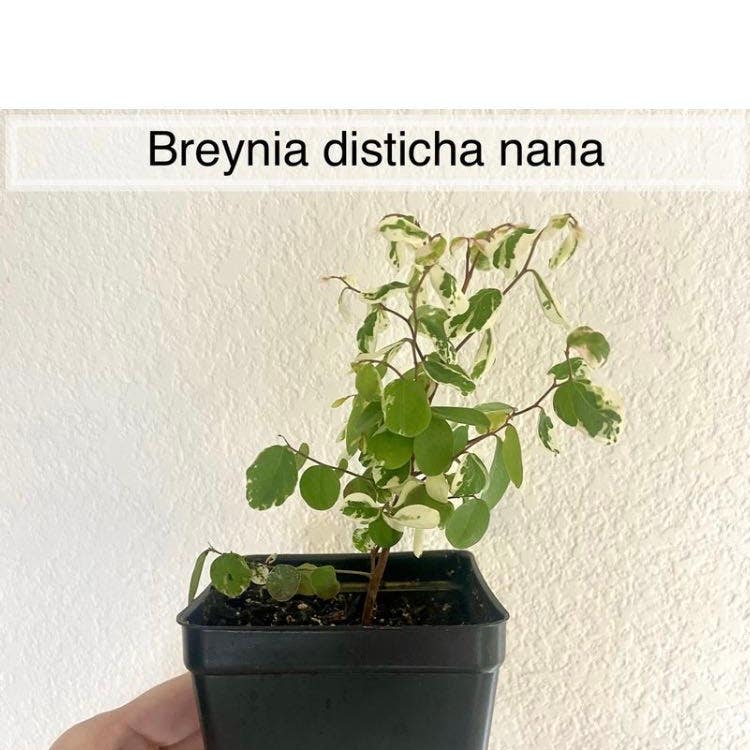
4 Tips for Healing Curling Leaves on Your Snowbush ❄️
Breynia disticha
By the Greg Editorial Team
Sep 29, 2024•6 min read
This article was created with the help of AI so we can cover more plants for you. May contain errors. See one? Report it here.
Save your Snowbush from curling leaves 🌱 by diagnosing issues early for a thriving, vibrant plant!
- 🌱 Curling leaves signal health issues; address them promptly for Snowbush recovery.
- 🌡️ Ideal conditions: Maintain 20°C-30°C and 50%-70% humidity for optimal growth.
- 🐛 Inspect regularly for pests and treat with neem oil to protect your Snowbush.
Importance of Addressing Curling Leaves
Curling leaves on your Snowbush aren't just a cosmetic issue; they often signal deeper health problems. Ignoring these signs can lead to more severe damage, making early diagnosis crucial.
Recognizing the underlying causes of leaf curl can save your plant from further distress. By addressing these issues promptly, you can help your Snowbush thrive and maintain its vibrant appearance.
Diagnosing the Problem
🌡️ Environmental Stress Factors
Curling leaves on your Snowbush often signal environmental stress. Temperature fluctuations can be a major culprit; the ideal range is between 20°C to 30°C (68°F to 86°F).
Humidity also plays a crucial role. Aim for optimal humidity levels of 50% to 70% to keep your plant thriving.
Soil moisture issues are another common factor. Overwatering can lead to soggy soil and yellowing leaves, while underwatering results in dry, crispy foliage.
🐛 Pest Infestations and Their Signs
Pests can wreak havoc on your Snowbush. Common offenders include aphids, which are small green insects found on the undersides of leaves, and spider mites, recognizable by fine webbing and stippled leaves.
These pests can cause significant damage, leading to stunted growth and curled leaves. If you notice weakened plant health, it might be time to inspect for these nuisances.
🥦 Nutrient Deficiencies and How to Identify Them
Nutrient deficiencies can also contribute to leaf curling. Key nutrients for Snowbush include nitrogen, which promotes healthy leaf growth, and magnesium, essential for chlorophyll production.
Symptoms of deficiencies are quite telling. Yellowing leaves often indicate a nitrogen deficiency, while curling and browning edges suggest a lack of magnesium.
🍄 Fungal Infections and Their Impact
Fungal infections can severely impact your Snowbush's health. Common issues include root rot, often caused by overwatering and poor drainage, and leaf spot diseases, which manifest as dark spots on leaves.
Watch for symptoms like wilting despite adequate watering and discolored patches on leaves. These signs can help you catch fungal problems early, allowing for timely intervention.
By diagnosing these issues, you can take the necessary steps to restore your Snowbush to its vibrant self. Next, we’ll explore effective treatment options to address these curling leaves.
Treating Curling Leaves
🌡️ Step-by-Step Treatment for Environmental Stress
To start, assess the temperature and humidity levels around your Snowbush. Ideally, maintain temperatures between 20°C to 30°C (68°F to 86°F) and humidity levels of 50% to 70%.
Next, monitor soil moisture closely. A moisture meter can help you check soil conditions accurately, ensuring your plant isn’t over or underwatered.
Finally, implement proper watering techniques. Water your Snowbush only when the top inch of soil feels dry to the touch.
🐞 Pest Control Methods Specific to Snowbush
Regularly inspect the leaves and stems of your Snowbush for pests. Look for small green aphids or fine webbing from spider mites, as these can cause significant damage.
For treatment, consider using neem oil, a natural pesticide effective against both aphids and spider mites. Insecticidal soap is another great option for tackling soft-bodied insects.
🌱 Nutrient Supplementation Techniques
Choosing the right fertilizer is crucial for your Snowbush's health. A balanced NPK fertilizer (10-10-10) supports overall growth, while magnesium sulfate (Epsom salt) can help if you notice signs of magnesium deficiency.
When applying fertilizers, always follow the package instructions for dosage and frequency. This ensures your plant receives the right nutrients without the risk of over-fertilization.
🍄 Fungal Treatment Options
Preventive measures are key to avoiding fungal issues. Ensure your Snowbush has well-draining soil to prevent root rot, which can be a significant problem.
If you do encounter fungal infections, fungicides can be effective. Always apply them according to label instructions, and don’t forget to remove any affected leaves to stop the spread of the infection.
By addressing these issues promptly, you can help your Snowbush thrive and prevent further curling leaves. Next, we’ll explore how to prevent leaf curl in the first place, ensuring your plant remains healthy and vibrant.
Preventing Leaf Curl
Best Practices for Watering Snowbush 🌊
Watering your Snowbush correctly is crucial for preventing leaf curl. Allow the soil to dry slightly between waterings to avoid over-saturation.
To promote healthy root growth, water deeply. This encourages roots to reach down into the soil for moisture, fostering a stronger plant.
Optimal Sunlight Exposure ☀️
Snowbush thrives in bright, indirect sunlight for 6-8 hours daily. This light condition helps maintain vibrant foliage and overall plant health.
If you notice stretching stems or pale leaves, your plant may not be getting enough light. Adjust its position to ensure it receives adequate sunlight.
Soil Health and Amendments 🪴
Well-draining soil is essential for your Snowbush. A mix of potting soil and perlite can help prevent waterlogging and promote healthy root development.
Regular soil testing is also important. Check pH and nutrient levels annually to ensure your plant has the right conditions for growth.
Seasonal Care Tips for Snowbush 🍂
Adjusting care with the seasons can significantly impact your Snowbush's health. In winter, reduce watering to prevent root rot.
During dry seasons, increase humidity around your plant. This can be achieved by misting or placing a humidifier nearby, ensuring your Snowbush remains happy and healthy.
By following these preventive measures, you can keep your Snowbush thriving and minimize the risk of curling leaves. Next, let’s explore how to monitor your plant’s health effectively.
Monitoring Plant Health
Regular Inspection Techniques 🌿
Regular inspections are crucial for keeping your Snowbush healthy. Aim for weekly checks to spot any signs of stress or pest infestations early.
During these inspections, pay close attention to leaf color, texture, and overall vigor. Healthy leaves should be vibrant and firm, while any discoloration or wilting can signal underlying issues.
Signs of Recovery to Watch For 🌱
As you care for your Snowbush, look for indicators of improved health. New leaf growth and vibrant color are excellent signs that your plant is bouncing back.
Additionally, a noticeable reduction in leaf curl and pest activity suggests that your treatment methods are effective. Celebrate these small victories!
When to Seek Professional Help 🆘
Sometimes, despite your best efforts, issues persist. If you notice persistent leaf curl even after treatment, it may be time to consult a professional.
Severe pest infestations or fungal outbreaks also warrant expert advice. Don't hesitate to seek help; your Snowbush deserves the best care possible!
⚠️ Safety First
This content is for general information and may contain errors, omissions, or outdated details. It is not medical, veterinary advice, or an endorsement of therapeutic claims.
Always consult a qualified healthcare professional before using any plant as food, medicine, or supplement.
Never eat any plant (or feed one to pets) without confirming its identity with at least two trusted sources.
If you suspect poisoning, call Poison Control (800) 222-1222, the Pet Poison Helpline (800) 213-6680, or your local emergency service immediately.
Spotted an error? Please report it here.
Keep your Snowbush thriving 🌱 by using Greg's tailored care reminders and pest alerts to tackle curling leaves and ensure vibrant growth!