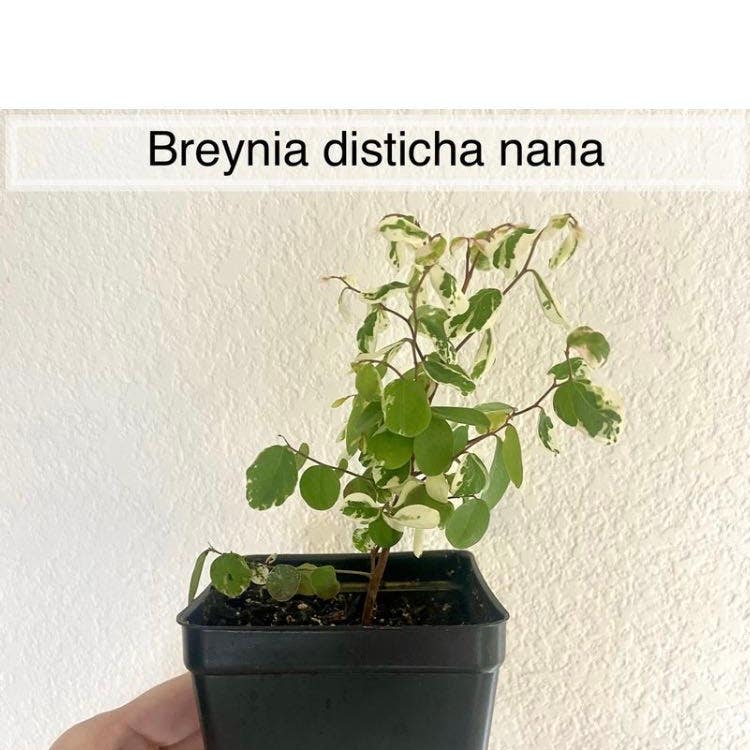
❄️ Snowbush Explained: Key Information
Breynia disticha
By the Greg Editorial Team
Jan 09, 2025•12 min read
This article was created with the help of AI so we can cover more plants for you. May contain errors. See one? Report it here.
Elevate your garden with Snowbush 🌱, a stunning, low-maintenance plant that attracts pollinators and thrives anywhere!
- 🌞 Snowbush thrives in full sun to partial shade, perfect for diverse garden settings.
- 🌱 Well-draining, fertile soil with pH 6.0-7.0 is optimal for Snowbush growth.
- 🌼 Prune in late winter or early spring to encourage healthy new growth.
How to Grow
Choosing the Right Location 🌞
Snowbush thrives in full sun to partial shade, making it adaptable to various garden settings. When deciding between outdoor planting and container growing, consider the space available and the plant's light requirements.
Soil Preparation and Amendments 🌱
For optimal growth, Snowbush prefers well-draining, fertile soil. Aim for a soil pH between 6.0 and 7.0, and consider adding organic matter like compost to enhance soil quality.
Planting Techniques 🌼
The best time to plant Snowbush is in spring or early summer. Ensure you follow proper planting depth and spacing guidelines to give your plants room to grow.
Watering Requirements 🚰
During the growing season, water your Snowbush weekly. Be vigilant for signs of overwatering, such as yellowing leaves, or underwatering, which can lead to wilting.
Fertilizing for Optimal Growth 🍽️
A balanced NPK fertilizer is recommended for Snowbush. Fertilize monthly during the growing season to support healthy growth and vibrant foliage.
Pruning Methods ✂️
Prune your Snowbush in late winter or early spring to encourage new growth. Focus on shaping the plant and removing any dead or damaged branches for a healthier appearance.
Ongoing Care 🛠️
For container care, ensure proper drainage and consider repotting every couple of years. If growing outdoors, mulching can help retain moisture and reduce seasonal maintenance tasks.
With these guidelines, you’re well on your way to cultivating a thriving Snowbush that adds beauty to your garden! Next, let’s explore how to propagate this lovely plant.
Propagation
🌱 Methods of Propagation: Seeds vs. Cuttings
Snowbush can be propagated through seeds or cuttings, each method offering unique advantages. Seed germination is straightforward and allows for a larger number of plants, while cuttings provide a quicker way to replicate existing plants.
🌾 Step-by-Step Guide for Seed Germination
- Seed preparation: Start by soaking the seeds for 24 hours to enhance germination.
- Sowing depth: Plant the seeds at a depth of 1/4 inch in a seed-starting mix for optimal growth.
- Germination conditions: Ensure a warm, humid environment to encourage sprouting.
✂️ Step-by-Step Guide for Taking and Rooting Cuttings
- Selecting healthy stems: Choose stems that are 4-6 inches long and free from disease.
- Preparing the cutting: Remove the lower leaves to promote root development.
- Rooting medium: Use a mix of perlite and peat moss for a well-draining environment.
- Rooting time: Expect roots to develop in 2-4 weeks when kept in a warm setting.
With these methods, you can easily expand your Snowbush collection, whether you prefer the simplicity of seeds or the efficiency of cuttings. Next, let’s explore the lifecycle of this fascinating plant and how it grows from seed to maturity.
Lifecycle
Lifecycle Stages 🌱
Snowbush is classified as a perennial shrub, meaning it lives for multiple years. Unlike annuals that complete their life cycle in one season, Snowbush will return year after year, providing ongoing beauty to your garden.
Germination and Seedling Development 🌱
Germination typically takes about 2-3 weeks, making it a relatively quick process. During this time, ensure that seedlings receive adequate warmth and humidity for optimal growth.
Growth and Flowering Phases 🌸
Once established, Snowbush exhibits a steady growth rate during its vegetative phase. The flowering period occurs from late summer to fall, showcasing vibrant blooms that attract pollinators.
Seed Production and Lifespan 🌿
Under optimal conditions, Snowbush can live for 5-10 years, offering longevity in your landscape. It generally reaches maturity within 2-3 years, allowing you to enjoy its full beauty relatively quickly.
This lifecycle overview highlights the resilience and beauty of Snowbush, making it a fantastic addition to any garden. Next, we will explore how to size your Snowbush for the best results.
Size
Mature Height and Spread 🌱
Snowbush typically reaches a mature height of 3 to 6 feet, making it a suitable choice for various garden settings. Its spread ranges from 2 to 4 feet, allowing for a compact yet lush appearance.
Growth Rate and Influencing Factors 📈
On average, Snowbush grows about 1 to 2 feet per year. Factors such as light exposure, water availability, and soil quality significantly influence its growth rate.
Size Variability 📏
The size of Snowbush can vary depending on whether it’s grown in containers or directly in the ground. Container-grown plants often remain smaller due to limited root space, while those planted in the ground can achieve their full potential.
Climate and care practices also play a crucial role in determining the overall dimensions of your Snowbush. With the right conditions and attention, you can enjoy a vibrant and healthy shrub that enhances your landscape.
As we explore the next section, let's delve into the fascinating root system of Snowbush and its importance to the plant's overall health.
Roots
Characteristics of the Root System 🌱
Snowbush features a fibrous root system that is both shallow and extensive. This type of root structure allows the plant to efficiently absorb moisture and nutrients from the upper layers of the soil.
Common Root-Related Issues ⚠️
Root rot is a common concern for Snowbush, often caused by overwatering or poorly draining soil. Signs of root rot include a foul smell and blackened roots, which can be prevented by ensuring proper drainage and allowing the soil to dry out between waterings.
If your Snowbush becomes rootbound, repotting is essential. Gently remove the plant from its pot, loosen the roots, and transfer it to a larger container with fresh soil to encourage healthy growth.
Healthy vs. Unhealthy Roots 🥦
Healthy roots are typically firm and white, indicating vitality and good moisture levels. In contrast, unhealthy roots appear dark and mushy, signaling potential problems that need immediate attention.
By regularly checking the root system, you can ensure your Snowbush remains healthy and vibrant. This proactive approach will help you catch any issues early, allowing for timely intervention and care.
With a solid understanding of root health, you can now explore the benefits of growing Snowbush, which will enhance your gardening experience.
Benefits
Top 5 Benefits of Growing Snowbush 🌿
1. Aesthetic Appeal
Snowbush is renowned for its striking foliage colors, which can brighten any garden or landscape. Its unique appearance adds a touch of elegance and charm, making it a favorite among garden enthusiasts.
2. Versatility
This plant thrives in various settings, whether in containers on a patio or as part of a larger landscape design. Its adaptability allows it to fit seamlessly into any gardening style.
3. Low Maintenance
Snowbush is easy to care for, requiring minimal effort to keep it healthy. This makes it an excellent choice for both novice gardeners and those with busy lifestyles.
4. Attracts Pollinators
By growing Snowbush, you’re not just beautifying your space; you’re also supporting local ecosystems. Its flowers attract bees, butterflies, and other pollinators, promoting biodiversity in your garden.
5. Cultural Significance
In various cultures, Snowbush symbolizes beauty and resilience. Incorporating it into your garden can connect you to these rich traditions while enhancing your outdoor space.
Snowbush offers a myriad of benefits that go beyond mere aesthetics. Its ease of care and ecological contributions make it a worthwhile addition to any garden. Next, let’s explore the best companion plants that can enhance your Snowbush experience.
Companion Plants
🌱 Companion Planting Benefits
Companion planting is all about creating a harmonious garden environment. By pairing plants that enhance each other's growth and help control pests, you can cultivate a thriving ecosystem.
🌼 Best Companion Plants
When it comes to Snowbush, consider these fantastic companions:
- Marigolds: These vibrant flowers not only add color but also repel harmful pests.
- Petunias: Their cheerful blooms attract beneficial insects while deterring unwanted visitors.
- Other Flowering Plants: Look for varieties that share similar care needs, ensuring a cohesive garden aesthetic.
These companions thrive alongside Snowbush, sharing similar watering and sunlight requirements while providing natural pest control.
🚫 Plants to Avoid
While some plants are great companions, others can hinder Snowbush's growth. Avoid planting:
- Heavy Feeders: Plants that require a lot of nutrients may compete with Snowbush for resources.
- Pest-attracting Species: Certain plants can draw pests that could harm your Snowbush.
By being mindful of your plant choices, you can create a flourishing garden that supports Snowbush's health and vitality.
As you plan your garden, remember that the right companions can make all the difference. Next, let's explore the potential toxicity of Snowbush to humans and pets, ensuring a safe environment for everyone.
Toxicity to Humans
Safety Around Humans 🛡️
Snowbush is generally safe for humans, as it is not listed as toxic by major poison control centers. However, it's always wise to handle any plant with care.
Potential Minor Issues ⚠️
While serious toxicity is not a concern, some individuals may experience mild skin irritation or digestive discomfort if they ingest large quantities. It's best to enjoy Snowbush visually rather than as a snack.
Recommendations for Caution 👀
Always monitor for unusual symptoms after contact or ingestion. If you notice any adverse reactions, consult a healthcare professional for guidance.
With these precautions in mind, you can appreciate the beauty of Snowbush without worry. Next, let’s explore its effects on our furry friends, starting with dogs.
Toxicity to Dogs
Safety Around Dogs 🐶
Snowbush is generally safe for dogs, as it is not listed as toxic by major pet poison control centers. However, it's always wise to keep an eye on your furry friends when they’re around any plants.
Potential Minor Issues ⚠️
While Snowbush poses minimal risk, excessive consumption might lead to mild gastrointestinal upset in dogs. It's best to monitor their behavior to ensure they don’t overindulge.
Tips for Introducing to Homes with Dogs 🏡
When introducing Snowbush to your home, consider its placement carefully. Keep it out of reach of curious pups and observe their interactions to prevent any unwanted nibbling.
By taking these precautions, you can enjoy the beauty of Snowbush while ensuring your dog's safety. Now, let’s explore how this plant interacts with our feline friends!
Toxicity to Cats
🐱 Safety Around Cats
Snowbush is not listed as toxic by major pet poison control centers, making it a safe choice for homes with feline companions. However, it's always wise to keep an eye on how your cat interacts with any plant.
⚠️ Potential Minor Issues
While generally safe, excessive consumption of Snowbush may lead to mild gastrointestinal upset in cats. It's best to monitor your pet for any unusual behavior after they've had a nibble.
🏡 Tips for Introducing to Homes with Cats
When introducing Snowbush to your home, consider placing it in areas that are less accessible to your cat. Regularly observe your cat's behavior around the plant to ensure they aren't overindulging.
By taking these precautions, you can enjoy the beauty of Snowbush while keeping your furry friend safe and sound.
Problems
Common Problems Faced 🌱
Snowbush, while generally resilient, can encounter several issues that may affect its health and appearance. Understanding these potential problems is crucial for maintaining a thriving plant.
Identifying Symptoms of Unhealthy Snowbush 🧐
Keep an eye out for signs of distress in your Snowbush. Common indicators include yellowing leaves, wilting, and stunted growth, which can signal underlying issues.
Solutions for Common Issues 🛠️
Incorrect watering: Overwatering can lead to root rot, while underwatering causes wilting. Check the soil moisture regularly and adjust your watering schedule accordingly.
Incorrect light conditions: Snowbush thrives in full sun to partial shade. If your plant is not getting enough light, consider relocating it to a brighter spot.
Diseases: Fungal issues can arise, especially in damp conditions. Look for discolored spots on leaves and treat with appropriate fungicides or organic solutions.
Root problems: Root rot manifests as mushy roots and can be fatal. Ensure proper drainage and consider repotting if you notice these symptoms.
Leaf issues: Scorching and yellowing leaves often indicate environmental stress. Adjust watering, light exposure, and check for pests to remedy these problems.
By staying vigilant and addressing these common issues promptly, you can ensure your Snowbush remains healthy and vibrant. Next, let’s explore the potential pests that may threaten your plant’s well-being.
Bugs
🐞 Potential Pest Issues
Snowbush can face a variety of pest challenges, but it also shows some resistance to certain insects. Understanding its susceptibility is key to maintaining a healthy plant.
🔍 Identification and Damage
Common pests include spider mites, scale insects, and mealybugs.
- Spider Mites: Tiny and often invisible, they cause stippling on leaves.
- Scale Insects: These pests appear as small, raised bumps on stems and leaves, sucking sap and weakening the plant.
- Mealybugs: Look for cotton-like clusters on stems and leaves, which can lead to sticky residue and sooty mold.
Symptoms of infestation include yellowing leaves, wilting, and overall decline in vigor.
🛠️ Treatment Options
Managing pests can be approached through both organic and chemical methods.
- Organic Control: Introduce beneficial insects like ladybugs, or use insecticidal soap and neem oil to combat infestations.
- Chemical Control: For severe cases, systemic insecticides can be effective but should be used as a last resort.
Regular monitoring and early intervention are crucial to keeping your Snowbush thriving. With the right care, you can enjoy its beauty without the worry of pests.
Next, let’s explore what animals might be tempted to munch on your Snowbush.
What Eats Snowbush
🦌 Common Animals That May Damage
Snowbush can attract a variety of animals that may nibble on its foliage. Common culprits include deer, rabbits, and squirrels, all of which can cause significant damage if left unchecked.
👀 Signs of Animal Presence
Identifying signs of animal activity around your Snowbush is crucial for timely intervention. Look for:
- Deer: Distinctive hoof prints and chewed leaves at higher levels.
- Rabbits: Cleanly cut stems and droppings near the base of the plant.
- Squirrels: Bark damage and scattered debris from foraging.
🚫 Deterring or Managing Animal Pests
Protecting your Snowbush from these hungry visitors can be achieved through various methods. Consider these options:
- Chemical repellents: Use commercially available sprays that deter animals with strong scents.
- Organic solutions: Try homemade mixtures, like garlic or hot pepper sprays, to keep pests at bay.
- Physical barriers: Fencing or netting can effectively shield your plants from larger animals.
By staying vigilant and employing these strategies, you can enjoy the beauty of your Snowbush without the worry of unwanted munchers. Next, let’s explore the common problems faced by Snowbush and how to tackle them effectively.
⚠️ Safety First
This content is for general information and may contain errors, omissions, or outdated details. It is not medical, veterinary advice, or an endorsement of therapeutic claims.
Always consult a qualified healthcare professional before using any plant as food, medicine, or supplement.
Never eat any plant (or feed one to pets) without confirming its identity with at least two trusted sources.
If you suspect poisoning, call Poison Control (800) 222-1222, the Pet Poison Helpline (800) 213-6680, or your local emergency service immediately.
Spotted an error? Please report it here.
Transform your garden with the vibrant Snowbush 🌼 by letting Greg guide you with tailored care reminders for optimal growth and health!