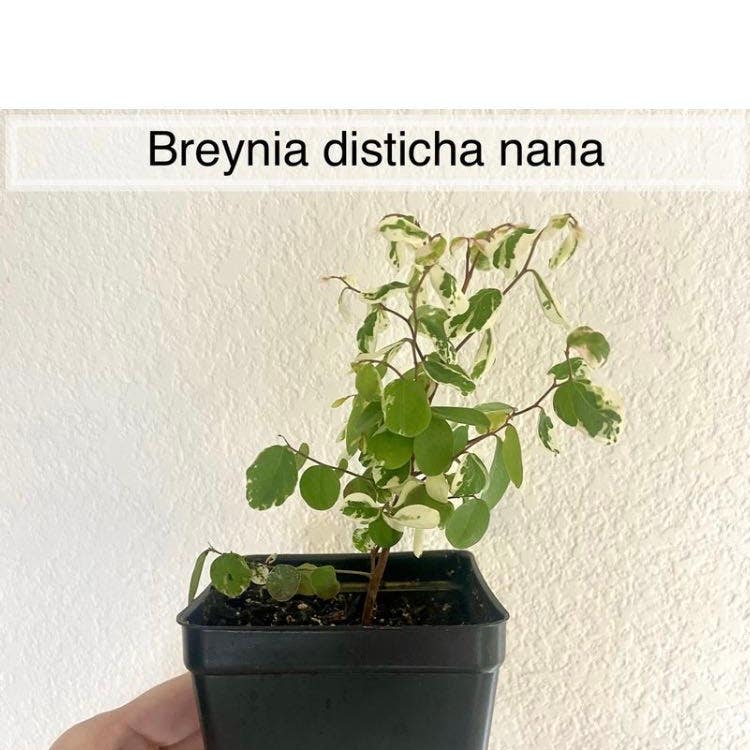
❄️ How to Fix Droopy Leaves on Your Snowbush
Breynia disticha
By the Greg Editorial Team
Sep 29, 2024•4 min read
This article was created with the help of AI so we can cover more plants for you. May contain errors. See one? Report it here.
Transform your Snowbush's health with essential tips on diagnosing and fixing common care issues! 🌿
- 🌊 Diagnose droopy leaves by checking for overwatering or underwatering signs.
- 🐛 Inspect regularly for pests like aphids to prevent damage to your Snowbush.
- 🌱 Ensure well-draining soil and proper watering techniques for healthy growth.
Diagnosing the Problem
Signs of Overwatering vs. Underwatering 🌊
Understanding whether your Snowbush is overwatered or underwatered is crucial for its health.
Overwatering indicators include yellowing leaves, mushy roots that emit a foul smell, and noticeable leaf drop or wilting.
In contrast, underwatering indicators manifest as crispy, dry leaf edges, drooping leaves, and soil that pulls away from the pot edges.
Identifying Pest Infestations 🐜
Pests can wreak havoc on your Snowbush, so it's essential to identify them early.
Common pests include aphids, which leave a sticky residue and cause curled leaves, and spider mites, recognizable by fine webbing and stippled leaves.
Regular inspections of the undersides of leaves and stems can help catch these infestations before they escalate.
Assessing Soil Quality and Drainage 🏺
The quality of your soil plays a significant role in your plant's overall health.
A well-draining potting mix is vital for preventing root rot and ensuring your Snowbush thrives.
Check that your pots have drainage holes to allow excess water to escape.
For a quick moisture check, use a moisture meter or simply stick your finger into the soil to gauge its dampness.
By diagnosing these issues early, you can take the necessary steps to restore your Snowbush to its vibrant self.
Next, we’ll explore effective solutions for droopy leaves, ensuring your plant gets back on track.
Solutions for Droopy Leaves
🌊 Adjusting Watering Practices
To revive your Snowbush, start by determining the right watering frequency. Always check the soil moisture level before watering to avoid over or underwatering.
Next, focus on your watering technique. Water the plant until you see it draining from the bottom, ensuring the roots get the hydration they need.
Finally, consider seasonal adjustments. Increase watering during the growing season and reduce it in winter to match the plant's needs.
🌱 Improving Soil Conditions
Soil quality plays a crucial role in plant health. Enhance drainage by adding perlite or sand to your potting mix.
If your Snowbush needs a refresh, repotting might be necessary. Choose a slightly larger pot with drainage holes, gently remove the plant, and shake off the old soil. Add fresh potting mix and water thoroughly to set it up for success.
🐛 Treating Pests and Diseases
Pest control is essential for maintaining a healthy Snowbush. Consider organic methods like neem oil application; apply it regularly for effective results.
Insecticidal soap is another option. Follow usage instructions carefully to avoid harming your plant.
For disease management, particularly root rot, act quickly. Remove affected roots, repot in fresh, dry soil, and adjust your watering schedule to prevent recurrence.
By implementing these solutions, you can help your Snowbush thrive and enjoy its vibrant foliage once again. Next, let’s explore how to monitor your plant's health effectively.
Monitoring Plant Health
🕵️ Regular Checks for Signs of Stress
Regular inspections are crucial for keeping your Snowbush healthy. Aim for weekly checks to spot any drooping, discoloration, or pest activity early.
Early detection is key. Addressing issues promptly can prevent minor problems from escalating into major headaches.
🥗 Importance of Proper Fertilization
Choosing the right fertilizer can make a significant difference. Balanced fertilizers work well, but specialized options can provide tailored nutrients for your Snowbush.
Timing is everything. Fertilize during the growing season for optimal growth, and reduce frequency in the dormant winter months.
☀️ Sunlight and Temperature Considerations
Your Snowbush thrives in bright, indirect light. Position it where it can soak up the sun without getting scorched.
Temperature matters too. Keep your plant within its preferred range to avoid stress and ensure it flourishes.
By monitoring these factors, you can maintain a vibrant and healthy Snowbush. Next, let's explore how to adjust your watering practices for optimal care.
⚠️ Safety First
This content is for general information and may contain errors, omissions, or outdated details. It is not medical, veterinary advice, or an endorsement of therapeutic claims.
Always consult a qualified healthcare professional before using any plant as food, medicine, or supplement.
Never eat any plant (or feed one to pets) without confirming its identity with at least two trusted sources.
If you suspect poisoning, call Poison Control (800) 222-1222, the Pet Poison Helpline (800) 213-6680, or your local emergency service immediately.
Spotted an error? Please report it here.
Keep your Snowbush's leaves perky and vibrant 🌱 by using Greg's tailored watering reminders and care tips to tackle overwatering, underwatering, and pests effectively!