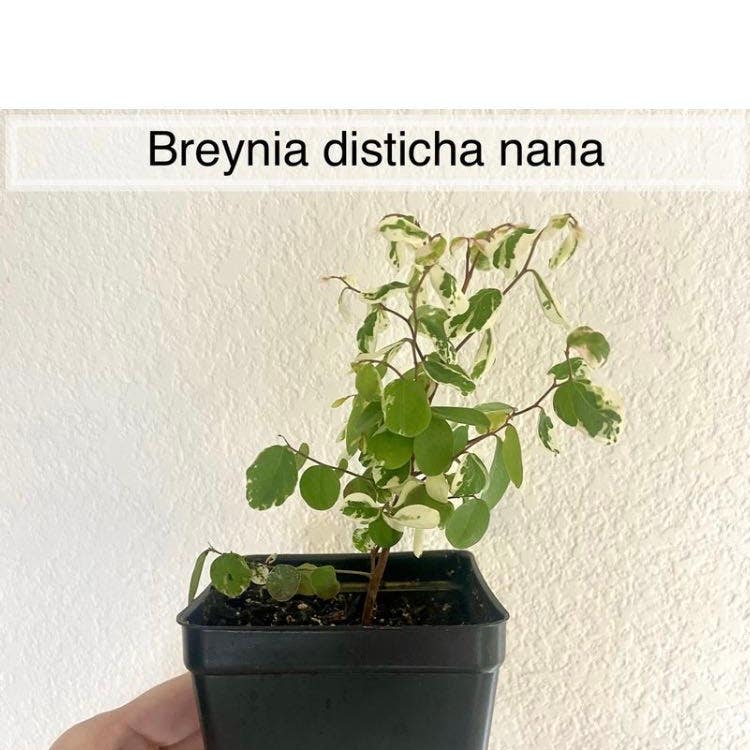
5 Tips for Healing Dropping Leaves on Your Snowbush ❄️
Breynia disticha
By the Greg Editorial Team
Oct 01, 2024•5 min read
This article was created with the help of AI so we can cover more plants for you. May contain errors. See one? Report it here.
Transform your Snowbush into a thriving beauty 🌿 with these essential tips for diagnosing and preventing stress!
- 🌱 Identify stress symptoms early—yellowing or browning leaves indicate care issues.
- 💧 Water consistently when the top inch of soil is dry to prevent leaf drop.
- 🌞 Ensure bright, indirect light; inadequate light leads to etiolation and leaf loss.
Diagnosing the Problem
Identifying Symptoms of Stress 🌱
When your Snowbush starts showing signs of stress, it’s crucial to identify the symptoms early. Look for leaf color changes; yellowing or browning leaves often indicate that something is off.
Next, pay attention to the leaf texture. Wilting or drooping leaves can signal distress, while sudden or gradual leaf drop patterns may suggest a more serious issue.
Assessing Watering Practices 💧
Watering practices play a significant role in your Snowbush's health. Establish an ideal watering frequency, ensuring the plant receives enough moisture without becoming waterlogged.
To check soil moisture, stick your finger about an inch into the soil. If it feels dry, it’s time to water. Conversely, signs of overwatering include yellow leaves and a soggy base, while underwatering often leads to crispy, brown edges.
Evaluating Light Conditions ☀️
Light conditions are vital for your Snowbush's well-being. It thrives in bright, indirect light, so ensure it’s positioned correctly.
If you notice etiolation—long, leggy growth—or leaf drop, your plant might not be getting enough light. Adjusting its exposure can make a world of difference, so consider moving it closer to a window or using grow lights for optimal growth.
Understanding these diagnostic signs will set you on the right path to restoring your Snowbush's health. Next, let’s explore effective solutions for addressing leaf drop.
Solutions for Leaf Drop
🌊 Adjusting Watering Techniques
To help your Snowbush thrive, establish a consistent watering schedule. Aim to water when the top inch of soil feels dry, typically every 1-2 weeks, depending on your environment.
Deep watering is crucial for encouraging strong root growth. This means watering thoroughly until you see excess moisture draining from the bottom of the pot.
Look for signs of recovery after making adjustments. New growth and vibrant leaf color indicate that your Snowbush is responding positively.
💡 Modifying Light Exposure
Finding the right spot for your Snowbush can make all the difference. Ideally, place it near a window with bright, indirect light to keep it healthy and happy.
If you’re moving your plant outdoors, be cautious of direct sunlight. Gradually acclimate it to prevent shock and protect it from harsh conditions.
Consider using grow lights if natural light is limited. They can be a great supplement, especially during darker months.
🐞 Implementing Pest Control Measures
Pests can wreak havoc on your Snowbush. Keep an eye out for common culprits like aphids and spider mites, which can cause significant leaf drop.
For organic pest control, neem oil and insecticidal soap are effective options. Apply them according to the instructions to keep your plant safe.
Regular monitoring is essential. Frequent checks will help you catch any pest issues early, ensuring your Snowbush stays in top shape.
With these solutions in place, your Snowbush will be on the path to recovery. Next, let’s explore preventative measures to keep your plant thriving long-term.
Preventative Measures
Best Practices for Snowbush Care 🌿
Establishing a consistent watering routine is crucial for your Snowbush. Aim to water when the top inch of soil feels dry, ensuring your plant stays hydrated without becoming waterlogged.
Soil maintenance is equally important. Use well-draining soil and consider adding amendments like perlite to enhance aeration and drainage.
Seasonal adjustments can make a significant difference. Tailor your care based on the changing seasons to keep your Snowbush thriving year-round.
Seasonal Care Tips to Prevent Leaf Drop ❄️
In winter, reduce watering and protect your Snowbush from cold drafts. This helps prevent stress during the colder months.
During summer, increase humidity around your plant and keep an eye out for heat stress. A simple misting can work wonders in maintaining moisture levels.
Spring and fall are perfect times for adjustments. Fertilizing and repotting can rejuvenate your Snowbush, ensuring it has the nutrients it needs to flourish.
Importance of Proper Fertilization 🌱
Using the right fertilizer is essential for your Snowbush's health. Opt for balanced NPK fertilizers to provide the necessary nutrients for growth.
Timing and frequency matter when it comes to fertilization. A regular schedule will help your plant absorb nutrients effectively.
Watch for signs of nutrient deficiency, such as yellowing leaves or stunted growth. Addressing these issues promptly can keep your Snowbush vibrant and healthy.
By implementing these preventative measures, you can create a nurturing environment for your Snowbush. This proactive approach will help you enjoy a flourishing plant while minimizing the risk of leaf drop.
Next, let’s explore how to monitor your plant's health effectively.
Monitoring Plant Health
🌱 Signs of Recovery in Snowbush
When your Snowbush starts to bounce back, you'll notice new growth emerging. This is a clear indicator that your plant is on the mend.
Another positive sign is the restoration of leaf color. If the leaves return to vibrant green hues, it means your plant is regaining its health.
Finally, pay attention to leaf drop patterns. A reduction in leaf loss signifies that your Snowbush is stabilizing and thriving again.
🔍 Regular Maintenance Checks
To keep your Snowbush healthy, conduct weekly inspections. This helps you monitor for pests and diseases before they become serious issues.
Soil moisture testing is also crucial. Use simple techniques like the finger test to ensure your plant is getting the right amount of water.
Don’t forget to assess light conditions regularly. Evaluating how much light your Snowbush receives can help you make necessary adjustments for optimal growth.
🆘 When to Seek Professional Help
If you notice persistent problems despite your best efforts, it may be time to seek professional intervention. Signs like continuous leaf drop or stunted growth can indicate deeper issues.
Identifying serious diseases is another reason to consult an expert. If you see unusual spots or discoloration, it’s best to get a professional diagnosis.
Lastly, if you suspect a severe pest infestation, don’t hesitate to reach out for help. DIY methods may not always suffice, and a professional can provide targeted solutions.
With these monitoring strategies in place, you can ensure your Snowbush remains healthy and vibrant. Next, let’s explore preventative measures to keep your plant thriving year-round.
⚠️ Safety First
This content is for general information and may contain errors, omissions, or outdated details. It is not medical, veterinary advice, or an endorsement of therapeutic claims.
Always consult a qualified healthcare professional before using any plant as food, medicine, or supplement.
Never eat any plant (or feed one to pets) without confirming its identity with at least two trusted sources.
If you suspect poisoning, call Poison Control (800) 222-1222, the Pet Poison Helpline (800) 213-6680, or your local emergency service immediately.
Spotted an error? Please report it here.
Keep your Snowbush healthy and vibrant 🌿 by using Greg's tailored watering reminders and light tips to catch stress signals early and ensure it thrives!