❄️ Snowbush Is Not an Annual
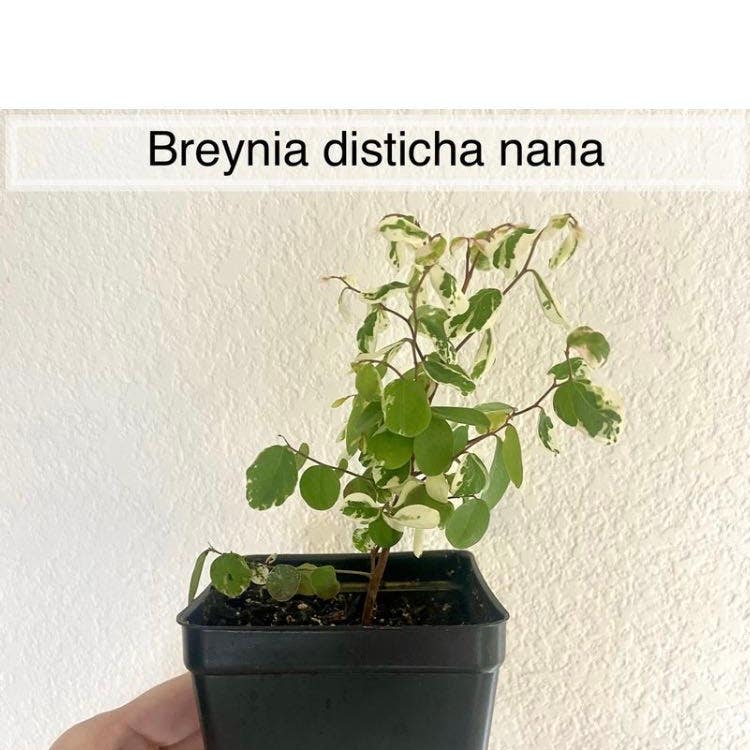
Breynia disticha
By the Greg Editorial Team
Sep 29, 2024•5 min read
This article was created with the help of AI so we can cover more plants for you. May contain errors. See one? Report it here.
Transform your garden with Snowbush's vibrant beauty and resilience, creating a thriving ecosystem for years! 🌼
- 🌱 Snowbush is a perennial, thriving for years, unlike short-lived annuals.
- 🌿 Its unique variegated leaves boost photosynthesis and add beauty to gardens.
- 🌍 Adaptable to climates, Snowbush blooms multiple times, enhancing garden ecosystems.
Snowbush as a Perennial
🧬 Genetic and Physiological Characteristics
Snowbush, scientifically known as Breynia disticha, is classified as a tropical shrub. This classification highlights its resilience and adaptability in various environments.
🌱 Adaptations for Survival
The genetic traits of Snowbush are finely tuned for long-term survival and reproduction. These adaptations ensure that it can thrive even in less-than-ideal conditions.
🍃 Leaf Structure
One of the most striking features of Snowbush is its variegated leaves. These unique leaves not only add visual interest but also enhance photosynthesis, allowing the plant to harness sunlight efficiently.
🌳 Root System
Snowbush boasts a deep root system that plays a crucial role in its longevity. These roots enable the plant to absorb nutrients and water over extended periods, supporting its growth and health.
In summary, the genetic and physiological characteristics of Snowbush make it a remarkable perennial. Understanding these traits sets the stage for exploring its long-term lifecycle and growth patterns.
Long-Term Lifecycle and Growth Patterns
🌱 Lifespan and Growth Phases
Snowbush is not just a fleeting beauty; it can thrive for several years, distinguishing it from true annuals. Its lifecycle includes distinct phases of dormancy and regrowth, perfectly timed with seasonal changes.
📊 Comparison with Annuals
While annuals may burst forth quickly, Snowbush exhibits a slower initial growth rate. However, this patience pays off, as it sustains growth over multiple years, making it a resilient choice for gardeners.
Snowbush also showcases remarkable adaptability, thriving in both tropical and subtropical climates. This versatility allows it to flourish in various environments, providing gardeners with a reliable perennial option.
As we explore the flowering and seed production of Snowbush, we’ll uncover how its long-term lifecycle contributes to its unique charm and resilience.
Flowering and Seed Production
Flowering Cycles 🌸
Snowbush is a prolific bloomer, showcasing its flowers multiple times throughout its lifespan. This flowering frequency can vary significantly based on climate conditions and the care it receives.
Seasonal Variations 🌦️
In tropical climates, you might see blooms year-round, while in subtropical regions, flowering may align more closely with seasonal changes. Proper care, including adequate sunlight and moisture, can enhance this flowering potential.
Seed Viability 🌱
One of the remarkable traits of Snowbush is its seed viability. The seeds can remain viable for extended periods, ensuring that the plant can reproduce effectively even after long intervals.
Reproductive Strategy 🐝
Instead of focusing on sheer quantity, Snowbush emphasizes the quality and longevity of its seeds. This strategy allows it to thrive in various environments, adapting to the conditions it faces.
With a solid understanding of Snowbush's flowering and seed production, we can now explore the misconceptions surrounding this unique perennial.
Misconceptions and Regional Variations
🌨️ Conditions Leading to Misclassification
Snowbush, or Breynia disticha, often faces misclassification due to environmental factors. In cooler climates, it may not survive winter, leading gardeners to mistakenly treat it as an annual.
Inconsistent seasonal care can also contribute to this confusion. If the plant isn't nurtured properly, it may not thrive, prompting the assumption that it’s a short-lived species.
🌍 Climate and Gardening Practices
Climate plays a significant role in the growth of Snowbush. Variations in temperature and humidity can dramatically affect its health and longevity.
Local gardening practices further complicate the situation. Misunderstandings about how to care for perennials can lead to improper treatment, resulting in premature death or stunted growth.
Understanding these factors can help gardeners appreciate the true nature of Snowbush and ensure its successful cultivation. As we explore the next section, we’ll delve into the implications of using Snowbush in garden design.
Garden Design Implications
Advantages of Using Snowbush 🌼
Snowbush is a fantastic long-term investment for your garden. Its vibrant color and unique texture provide consistent visual interest year after year.
Additionally, this perennial shrub plays a crucial role in supporting local ecosystems. By attracting pollinators, it enhances biodiversity, making your garden a thriving habitat.
Planning for Perennial Nature 🌱
When designing your garden, consider companion planting with other perennials. This strategy not only boosts visual appeal but also promotes healthier growth through beneficial interactions.
To ensure year-round beauty, plan for seasonal interest. By incorporating varied growth cycles, you can create a dynamic landscape that changes with the seasons, keeping your garden lively and engaging.
Incorporating Snowbush into your garden design not only enriches your space but also fosters a deeper connection with nature. As you explore these design implications, you'll find that the benefits extend far beyond aesthetics.
Maximizing Longevity
🌱 Management Tips
To ensure your Snowbush thrives, regular pruning is essential. This practice not only encourages healthy growth but also promotes vibrant flowering.
Maintaining soil health is equally important. Aim for nutrient-rich, well-draining soil to support the plant's long-term vitality.
🌼 Best Practices for Lifespan Enhancement
Establishing a consistent watering schedule is crucial. Provide consistent moisture without waterlogging to keep your Snowbush happy.
Fertilization plays a key role in enhancing lifespan. Use balanced fertilizers during the growing season to support robust growth and flowering.
By implementing these strategies, you can enjoy the beauty of Snowbush for years to come. Next, let’s explore the garden design implications of incorporating this perennial into your landscape.
⚠️ Safety First
This content is for general information and may contain errors, omissions, or outdated details. It is not medical, veterinary advice, or an endorsement of therapeutic claims.
Always consult a qualified healthcare professional before using any plant as food, medicine, or supplement.
Never eat any plant (or feed one to pets) without confirming its identity with at least two trusted sources.
If you suspect poisoning, call Poison Control (800) 222-1222, the Pet Poison Helpline (800) 213-6680, or your local emergency service immediately.
Spotted an error? Please report it here.
Unlock the long-term beauty of Snowbush 🌿 with Greg's tailored watering plans and care reminders, ensuring your garden flourishes year after year!