🔍 What's Eating Your Arisaema
Arisaema ulugurense
By the Greg Editorial Team
Nov 26, 2024•6 min read
This article was created with the help of AI so we can cover more plants for you. May contain errors. See one? Report it here.
Safeguard your Arisaema from hungry herbivores 🦌 while nurturing a thriving garden ecosystem with these smart strategies! 🌿
- 🌱 Arisaema attracts herbivores like deer, rabbits, and squirrels, impacting its health.
- 🦌 Signs of deer damage include hoof prints and nibbled leaves; monitor regularly.
- 🚫 Effective deterrents like repellents and fencing can protect Arisaema from herbivores.
Appearance and Appeal of Arisaema
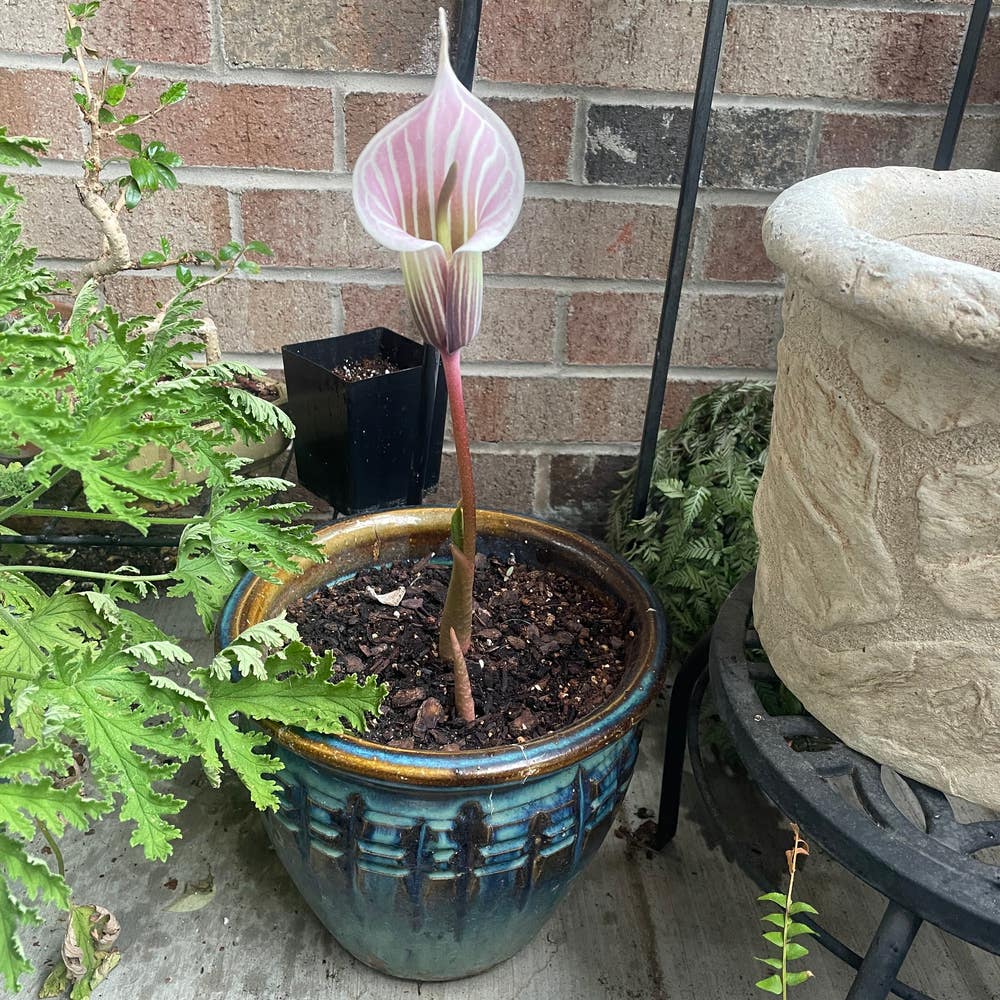
Arisaema is a captivating plant that typically stands between 1 to 3 feet tall. Its large, divided leaves can grow up to 2 feet wide, creating a striking visual presence in any garden.
🌺 Unique Floral Features
The flowers of Arisaema are particularly distinctive, featuring a hood-like spathe that can be green, brown, or striped. This spathe encases the spadix, adding an intriguing element to the plant's overall appearance.
🦌 What Attracts Animals?
Several parts of Arisaema are especially appealing to animals.
- Young Shoots: These tender and nutritious shoots are a magnet for herbivores, providing essential sustenance.
- Flowers: Rich in moisture and nutrients, the flowers attract a variety of garden animals, eager for a refreshing snack.
- Fruits: The bright, colorful berries are not only eye-catching but also serve as a food source for birds and other wildlife.
Understanding the allure of Arisaema can help gardeners appreciate its role in the ecosystem. As we delve deeper into the common herbivores that affect this plant, we’ll explore how to protect it from these hungry visitors.
Common Herbivores Affecting Arisaema
🦌 Deer
Signs of presence and damage caused
Look for distinctive hoof prints near your Arisaema plants. You may also notice leaves and young shoots that have been nibbled or stripped, indicating deer browsing.
Beneficial vs. harmful interactions
Deer interactions are generally harmful. Their feeding can significantly reduce the vigor and reproductive capacity of your plants.
Deterrent methods (difficulty: moderate)
To deter deer, consider using commercial repellents with strong scents. Alternatively, plant deer-resistant species nearby or use human hair or soap shavings as organic deterrents.
🐇 Rabbits
Signs of presence and damage caused
Rabbits leave small, rounded droppings and gnaw marks on stems. You might also find cleanly cut stems and leaves, a telltale sign of their presence.
Beneficial vs. harmful interactions
Rabbits are generally harmful to Arisaema. They can decimate young plants and hinder their growth.
Deterrent methods (difficulty: easy)
Bitter-tasting sprays can serve as effective chemical deterrents against rabbits. For a more organic approach, consider fencing that is 2-3 feet high and planting rabbit-resistant plants.
🐿️ Squirrels
Signs of presence and damage caused
Squirrels can be identified by chewed stems and signs of digging around the base of the plant. Their activity often leads to soil displacement and uprooting of young plants.
Beneficial vs. harmful interactions
Interactions with squirrels are generally harmful. They can disrupt root systems, leading to stress for your Arisaema.
Deterrent methods (difficulty: moderate)
Capsaicin-based sprays can deter squirrels effectively. Installing squirrel-proof feeders nearby can also distract them from your plants.
🐦 Birds
Signs of presence and damage caused
Look for peck marks on fruits and flowers as signs of bird activity. Their presence can lead to seed predation and reduced fruit set.
Beneficial vs. harmful interactions
Birds can be beneficial as some help control insect populations. However, their feeding can also be harmful to your plants.
Deterrent methods (difficulty: easy)
Non-toxic bird repellents can help keep birds at bay. During the fruiting season, consider using netting over your plants for added protection.
🐭 Rodents (mice, voles, etc.)
Signs of presence and damage caused
Rodents leave behind tunnels in the soil and gnaw marks on roots. Their activity can lead to significant root damage and plant decline.
Beneficial vs. harmful interactions
Rodents are generally harmful to Arisaema. Their presence can severely impact plant health.
Deterrent methods (difficulty: hard)
For chemical deterrents, consider using rodent bait stations. Organic methods include trapping and utilizing natural predators like owls to manage rodent populations.
Understanding the various herbivores that affect Arisaema is crucial for maintaining healthy plants. By employing effective deterrent methods, you can protect your garden while fostering a balanced ecosystem. Next, let’s explore general strategies for protecting Arisaema from these common threats.
General Strategies for Protecting Arisaema
🛡️ Preventive Measures for Herbivore Damage
To safeguard your Arisaema, consider planting companion plants that naturally deter herbivores. These plants can create a protective barrier, making your garden less appealing to hungry visitors.
Physical barriers are also effective. Using fencing or netting can keep larger animals at bay, ensuring your Arisaema thrives without interference.
🐾 Reactive Solutions for Managing Animal Interactions
Regular monitoring is crucial. Keep an eye out for signs of damage and be ready to intervene quickly if you notice any issues.
Adjusting plant placement based on observed animal activity can also help. If certain areas attract more herbivores, relocating your Arisaema might reduce the risk of damage.
🌱 Balancing Plant Protection with Ecosystem Health
Encouraging beneficial wildlife is essential while managing harmful interactions. Striking a balance allows your garden to flourish without completely excluding wildlife.
Implementing integrated pest management (IPM) strategies can be a game changer. This approach combines various methods to protect your plants while maintaining a healthy ecosystem.
By employing these strategies, you can create a thriving environment for your Arisaema, ensuring it remains a beautiful and resilient part of your garden. Next, let’s explore the seasonal considerations that affect both your plants and the animals that interact with them.
Seasonal Considerations
Seasonal Variations in Animal Attraction to Arisaema 🦌
As the seasons change, so does the interest of various herbivores in Arisaema. In spring, when new shoots emerge, herbivores become particularly active, drawn to the tender, nutritious growth.
By fall, the focus shifts to birds, which are attracted to the ripe fruits and seeds. This seasonal dance highlights the dynamic relationship between Arisaema and its animal visitors.
Timing of Plant Vulnerability and Animal Activity ⏰
Young shoots are at their most vulnerable during early spring. This is when herbivores are eager to feast on fresh growth, making it crucial to monitor your plants closely.
As summer wanes, rodent activity may increase, driven by dwindling food sources. This timing can pose additional risks to your Arisaema, emphasizing the need for proactive protection strategies.
Understanding these seasonal patterns can help you better safeguard your plants while appreciating the intricate web of life surrounding them.
Toxicity and Safety
🐾 Toxic effects of Arisaema on animals
Arisaema plants contain calcium oxalate crystals, which can lead to irritation and discomfort if consumed by animals. These crystals can cause a burning sensation in the mouth and throat, making the plant less appealing to some herbivores.
🌿 Implications for herbivore interactions
Interestingly, the toxicity of Arisaema can create a mixed bag of interactions with wildlife. While some herbivores instinctively avoid the plant due to its unpleasant effects, others may still munch on it without experiencing significant harm.
Understanding the toxicity of Arisaema is crucial for managing plant interactions effectively. By recognizing which animals are deterred and which are not, gardeners can better protect their plants while fostering a balanced ecosystem.
This knowledge not only aids in safeguarding vulnerable species but also enhances our appreciation for the complex relationships within nature. As we delve deeper into the seasonal considerations of Arisaema, we can further explore how these dynamics shift throughout the year.
⚠️ Safety First
This content is for general information and may contain errors, omissions, or outdated details. It is not medical, veterinary advice, or an endorsement of therapeutic claims.
Always consult a qualified healthcare professional before using any plant as food, medicine, or supplement.
Never eat any plant (or feed one to pets) without confirming its identity with at least two trusted sources.
If you suspect poisoning, call Poison Control (800) 222-1222, the Pet Poison Helpline (800) 213-6680, or your local emergency service immediately.
Spotted an error? Please report it here.
Safeguard your gorgeous Arisaema from pesky herbivores with Greg's personalized tips and reminders, ensuring it thrives beautifully in your garden! 🛡️🌱