Why Arisaema Is Not an Annual
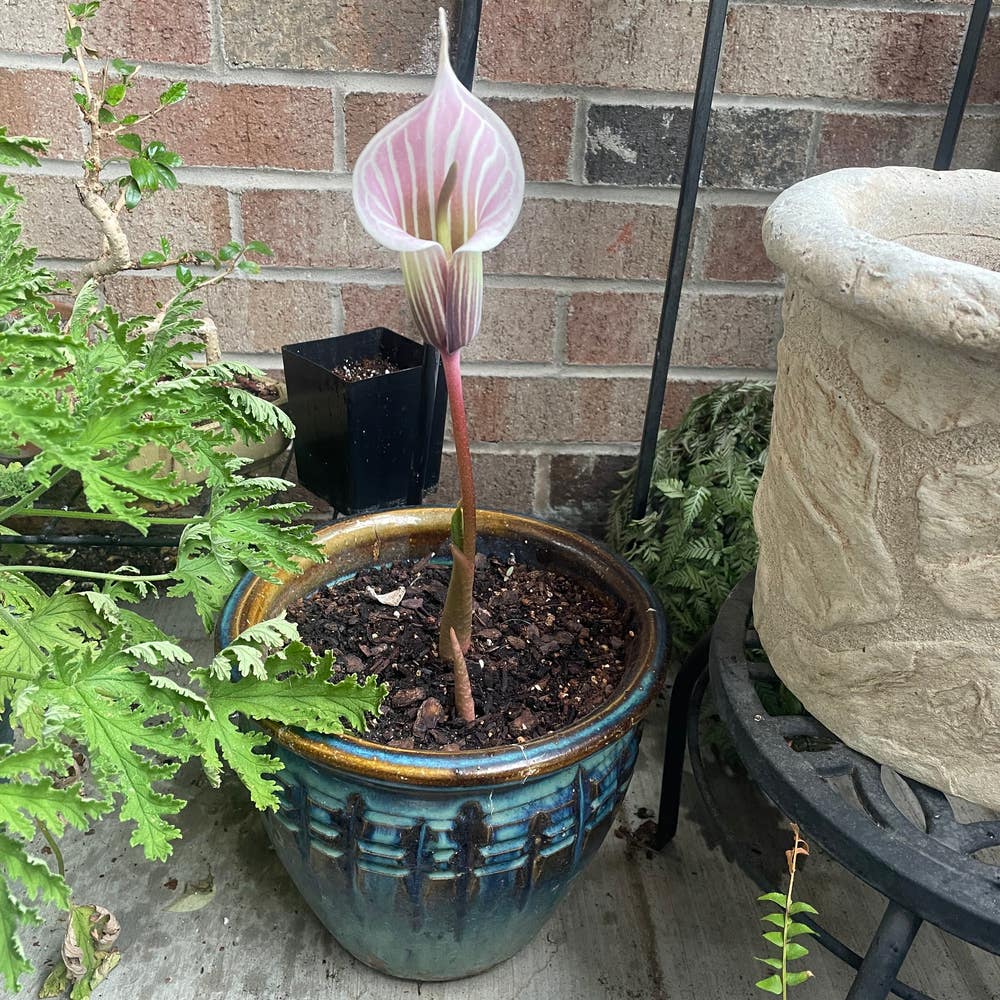
Arisaema ulugurense
By the Greg Editorial Team
Nov 26, 2024•5 min read
This article was created with the help of AI so we can cover more plants for you. May contain errors. See one? Report it here.
Unlock the secret to a resilient garden with Arisaema's stunning beauty and unique perennial traits! 🌿
- 🌱 Arisaema is a perennial, thriving through dormancy and nutrient storage in tuberous roots.
- 🌞 Spring emergence occurs with warming temperatures, signaling active growth and flowering.
- 🐝 Unique flowers attract pollinators, ensuring Arisaema's reproductive success across multiple seasons.
Arisaema's Perennial Nature
🌱 Genetic Characteristics
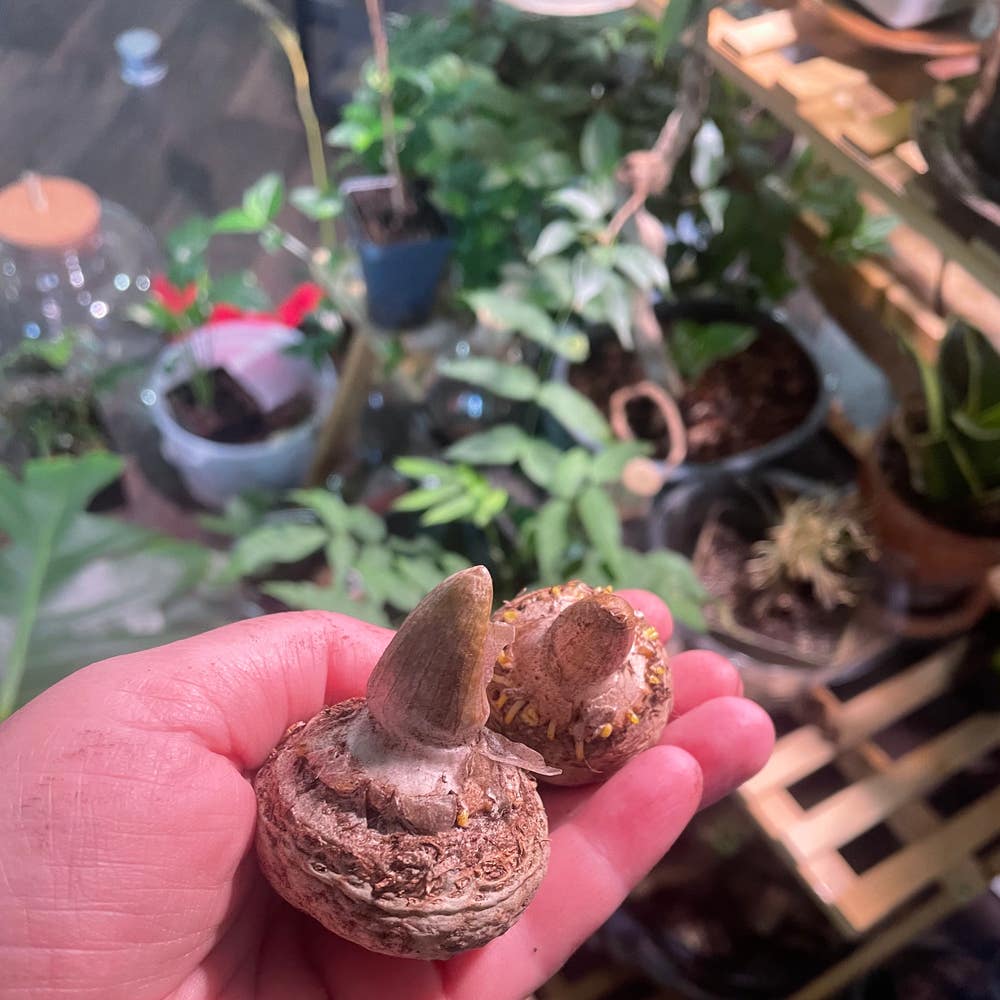
Arisaema plants boast a tuberous root system, which is a clever adaptation for nutrient storage and survival. This unique structure allows them to thrive in various environments, ensuring they have the resources needed to endure tough conditions.
Additionally, Arisaema exhibits genetic resilience, enabling it to withstand adverse conditions through a state of dormancy. This ability to pause growth during unfavorable times is a key factor in its perennial nature.
🌿 Physiological Traits That Support Perennial Growth
The leaf structure of Arisaema is specifically adapted for photosynthesis in shaded environments. This trait allows the plant to maximize energy capture even in low-light conditions, which is essential for its survival.
Moreover, Arisaema demonstrates a growth habit characterized by slow development in early seasons, followed by robust growth when conditions become favorable. This strategic approach ensures that the plant conserves energy until it can thrive.
🔄 Long-Term Lifecycle and Growth Patterns
Arisaema follows a distinct lifecycle that includes several stages: dormancy, emergence, growth, flowering, and seed production. Each phase is crucial for the plant's overall health and reproductive success.
Spring emergence marks the beginning of active growth, typically triggered by warming temperatures and increased sunlight. As the season progresses, Arisaema focuses on leaf development and energy accumulation during the summer months.
In the fall, the plant prepares for dormancy, storing nutrients to survive the winter. This cyclical pattern highlights the resilience and adaptability of Arisaema, reinforcing its identity as a perennial rather than an annual.
Understanding these characteristics and growth patterns can help gardeners appreciate the unique qualities of Arisaema. This knowledge sets the stage for exploring its reproductive strategies in the next section.
Reproductive Strategies of Arisaema
🌸 Flowering Cycles
Arisaema's flowering cycles are intricately tied to seasonal cues and environmental triggers. These plants typically bloom in spring, responding to temperature changes and daylight length, which signal the right time to produce flowers.
The unique structure of Arisaema's inflorescences plays a crucial role in attracting specific pollinators. Their distinctive shapes and colors not only make them visually striking but also serve to lure in the right insects for effective pollination.
🌱 Seed Production and Dispersal Mechanisms
Once pollination occurs, Arisaema undergoes a fascinating seed development process. This journey from pollination to seed maturation can take several months, culminating in the production of seeds that are ready for dispersal.
Dispersal strategies are vital for the survival of Arisaema. These plants utilize various mechanisms, including seed dormancy and environmental triggers, to spread their seeds effectively, ensuring that they can thrive in suitable conditions when the time is right.
🔄 Comparison with Annual Reproductive Strategies
Understanding the differences between Arisaema and annual plants highlights their unique reproductive strategies. Annuals typically complete their lifecycle in one season, flowering once and producing seeds before dying off.
In contrast, Arisaema, as a perennial, engages in repeated flowering and seed production over multiple seasons. This ability to thrive year after year not only enhances their resilience but also enriches the ecosystems they inhabit.
As we delve deeper into the implications of Arisaema's reproductive strategies, we can appreciate how these traits contribute to their survival and adaptability in various environments.
Misconceptions and Exceptions
🌱 Conditions Where Arisaema May Be Mistaken for an Annual
Arisaema can sometimes be misidentified as an annual plant due to environmental stressors. Factors such as extreme temperatures, drought, or excessive rainfall can lead to reduced growth or flowering, making it seem like the plant has completed its life cycle in a single season.
Mismanagement also plays a significant role in this misconception. Overwatering or poor soil conditions can hinder Arisaema's growth, leading to a perception that it behaves like an annual. Proper care is essential to showcase its true perennial nature.
🌍 Regional Variations Affecting Arisaema's Classification
Climate significantly impacts Arisaema's growth patterns and lifecycle. In cooler regions, these plants may enter dormancy earlier, while in warmer climates, they might thrive longer, affecting their appearance and behavior.
Local adaptations also contribute to variations in species based on geographic location. Different environments can lead to unique growth habits and flowering times, further complicating the understanding of Arisaema as a perennial.
As we explore the implications of these misconceptions, it's crucial to recognize how proper care and understanding of regional differences can enhance your gardening experience with Arisaema.
Implications for Gardeners
🌼 Benefits of Incorporating Arisaema in Garden Design
Arisaema brings a unique aesthetic appeal to shaded areas in your garden. Its striking flowers and distinctive foliage can create a captivating focal point that draws the eye.
In addition to beauty, Arisaema contributes to biodiversity. These plants attract various pollinators, supporting local ecosystems and enhancing the overall health of your garden.
🌱 Strategies for Maximizing Arisaema's Longevity
To ensure your Arisaema thrives, start with proper soil preparation. Well-drained, nutrient-rich soil is crucial for healthy growth and helps prevent root rot.
Watering practices also play a vital role. It's essential to balance moisture levels, as both overwatering and underwatering can negatively impact the plant's health.
🌿 Tips for Managing Arisaema as a Perennial
Understanding seasonal care is key to managing Arisaema effectively. Each season brings different needs, so be attentive to changes in the plant's requirements.
A well-planned fertilization schedule can significantly boost growth during active periods. Apply nutrients during the growing season to support robust development and flowering.
Incorporating Arisaema into your garden not only enhances its beauty but also fosters a thriving ecosystem. With the right care, these perennials can flourish for years, bringing joy and vibrancy to your outdoor space.
⚠️ Safety First
This content is for general information and may contain errors, omissions, or outdated details. It is not medical, veterinary advice, or an endorsement of therapeutic claims.
Always consult a qualified healthcare professional before using any plant as food, medicine, or supplement.
Never eat any plant (or feed one to pets) without confirming its identity with at least two trusted sources.
If you suspect poisoning, call Poison Control (800) 222-1222, the Pet Poison Helpline (800) 213-6680, or your local emergency service immediately.
Spotted an error? Please report it here.
Unlock the perennial potential of your Arisaema 🌿 with Greg's tailored care reminders, ensuring it flourishes beautifully season after season!