Ultimate Guide to Humidity for Arisaema 💧
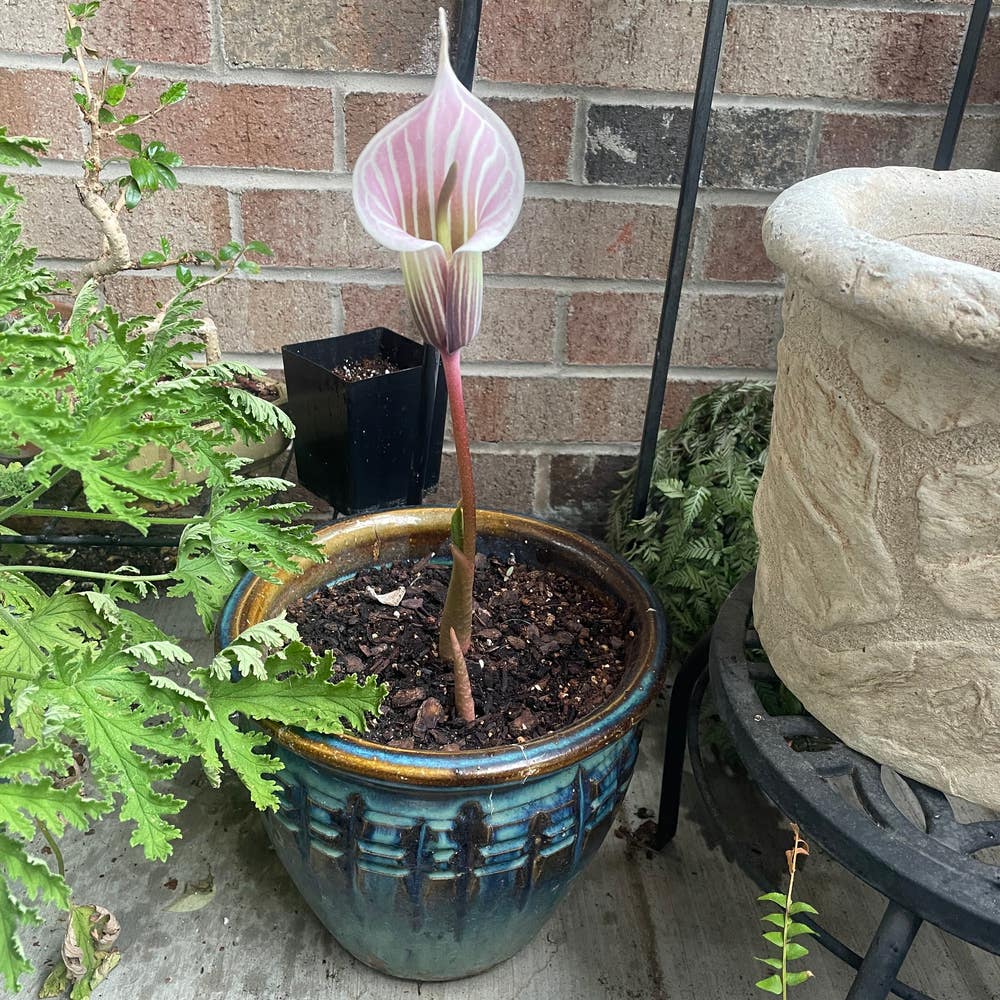
Arisaema ulugurense
By the Greg Editorial Team
Nov 26, 2024•5 min read
This article was created with the help of AI so we can cover more plants for you. May contain errors. See one? Report it here.
Master the ideal humidity for Arisaema 🌱 to ensure vibrant growth and stunning blooms all year round!
- 🌧️ Arisaema needs humidity above 70% for optimal growth; adjust per species.
- 🌱 Seasonal humidity changes affect Arisaema; spring and summer are best for growth.
- 💧 Monitor humidity regularly with hygrometers to ensure healthy Arisaema conditions.
Ideal Humidity Levels for Arisaema
Understanding the ideal humidity levels for Arisaema is essential for their thriving growth. Different species have unique requirements, making it crucial to tailor your care accordingly.
💧 Humidity Needs by Species
Arisaema triphyllum is a standout when it comes to humidity preferences. This species thrives in high humidity, ideally above 70%.
Other Arisaema species exhibit varying needs. While some can tolerate lower humidity levels, they still flourish in moist conditions. This adaptability allows for a bit of flexibility in care, but aiming for higher humidity is generally beneficial.
📅 Seasonal Humidity Considerations
Humidity levels are not static; they fluctuate with the seasons. During spring and summer, Arisaema experiences active growth, which correlates with higher humidity levels.
Conversely, as fall and winter approach, these plants enter dormancy. This period often sees a drop in humidity, necessitating adjustments in your care routine to ensure they remain healthy and vibrant.
By keeping these humidity requirements and seasonal changes in mind, you can create an optimal environment for your Arisaema. This foundational knowledge sets the stage for understanding local humidity considerations, which we will explore next.
Local Humidity Considerations
Assessing Local Humidity Levels 🌧️
To ensure your Arisaema thrives, it's crucial to assess local humidity levels accurately. Hygrometers are your best friends here, with both digital and analog options available to suit your preference.
Regular monitoring is essential for optimal Arisaema care. By keeping an eye on humidity, you can make timely adjustments to your plant's environment.
Understanding your local climate also plays a significant role. Coastal areas typically experience higher humidity levels compared to inland regions, which can affect your Arisaema's growth and health.
Seasonal Variations in Humidity 🌦️
Humidity levels fluctuate throughout the year, impacting your Arisaema's well-being. Spring and summer usually bring higher humidity, creating ideal conditions for growth.
As the seasons shift to fall and winter, humidity levels may drop. This change often requires adjustments in care to ensure your plants remain healthy and vibrant during dormancy.
Strategies for Boosting Humidity
🌧️ Humidity-Boosting Techniques
Maintaining the right humidity levels for your Arisaema plants is essential for their health and growth. Here are some effective strategies to boost humidity in your indoor gardening space.
💧 Using Humidifiers
When it comes to humidifiers, you have two main options: cool mist and warm mist. Cool mist humidifiers are great for adding moisture without raising the temperature, while warm mist models can help create a cozy environment.
For optimal use, place your humidifier near your Arisaema plants but not directly on them. Regular maintenance is key; clean your humidifier frequently to prevent mold and bacteria buildup.
🌱 Grouping Plants Together
One simple yet effective method to increase humidity is by clustering your plants. When grouped, plants can create a microenvironment that retains moisture.
This technique also encourages transpiration, where plants release water vapor, further enhancing humidity levels. So, consider arranging your Arisaema with other humidity-loving plants for a thriving botanical community.
🪴 Pebble Trays and Water Bowls
Setting up pebble trays is a straightforward way to boost humidity. Fill a shallow tray with pebbles and add water, ensuring that the pots sit above the water level. This setup allows evaporation to increase local humidity around your plants.
Additionally, placing water bowls near your Arisaema can also help. The water will evaporate, contributing to a more humid atmosphere, which is particularly beneficial during drier months.
By implementing these humidity-boosting techniques, you can create a thriving environment for your Arisaema. Next, let’s explore how to identify and address excess humidity issues to maintain a balanced atmosphere for your plants.
Strategies for Reducing Humidity
🕵️♂️ Identifying Excess Humidity Issues
Excess humidity can be detrimental to your Arisaema plants. Look out for signs such as mold growth on the soil surface or leaves, which can indicate a moisture problem.
Foul odors emanating from the soil are another red flag, suggesting rot or decay. Addressing these issues promptly is crucial for maintaining plant health.
🌬️ Ventilation Techniques
Air circulation plays a vital role in managing humidity levels. Improving airflow around your Arisaema plants can significantly reduce excess moisture.
Consider using fans or simply opening windows to enhance ventilation. This not only helps lower humidity but also promotes healthier growth.
💧 Using Dehumidifiers
When humidity levels become unmanageable, dehumidifiers can be a game-changer. There are various types available, including portable units and whole-house options.
For optimal Arisaema care, aim to set humidity levels between 40% and 60%. This range supports healthy growth while preventing the issues associated with excessive moisture.
By implementing these strategies, you can create a balanced environment for your Arisaema, ensuring they thrive in the right conditions. Next, let’s explore the signs of humidity stress in these fascinating plants.
Humidity and Plant Health
Signs of Humidity Stress in Arisaema 🌧️
Humidity plays a crucial role in the health of Arisaema plants. When humidity levels drop too low, you may notice visual indicators of stress, such as leaf curling, browning tips, and drooping foliage.
These symptoms signal that your plant is struggling to maintain its moisture balance. If you observe these changes, it’s time to assess your humidity levels and make necessary adjustments.
Importance of Humidity for Growth and Flowering 🌸
Maintaining adequate humidity is vital for the growth and flowering of Arisaema. High humidity levels correlate with successful flowering, as they support the plant's reproductive health.
In the long run, consistent humidity not only promotes vibrant blooms but also ensures robust growth. By prioritizing humidity, you set your Arisaema up for a thriving life, filled with lush foliage and stunning flowers.
As you consider the needs of your Arisaema, remember that humidity is a key player in their overall health. Next, let’s explore effective strategies for boosting humidity in your plant care routine.
⚠️ Safety First
This content is for general information and may contain errors, omissions, or outdated details. It is not medical, veterinary advice, or an endorsement of therapeutic claims.
Always consult a qualified healthcare professional before using any plant as food, medicine, or supplement.
Never eat any plant (or feed one to pets) without confirming its identity with at least two trusted sources.
If you suspect poisoning, call Poison Control (800) 222-1222, the Pet Poison Helpline (800) 213-6680, or your local emergency service immediately.
Spotted an error? Please report it here.
Keep your Arisaema blooming beautifully 🌸 by using Greg's tailored humidity reminders and tips to create the ideal environment for thriving growth!