🐍 How Big Your Arisaema Will Get
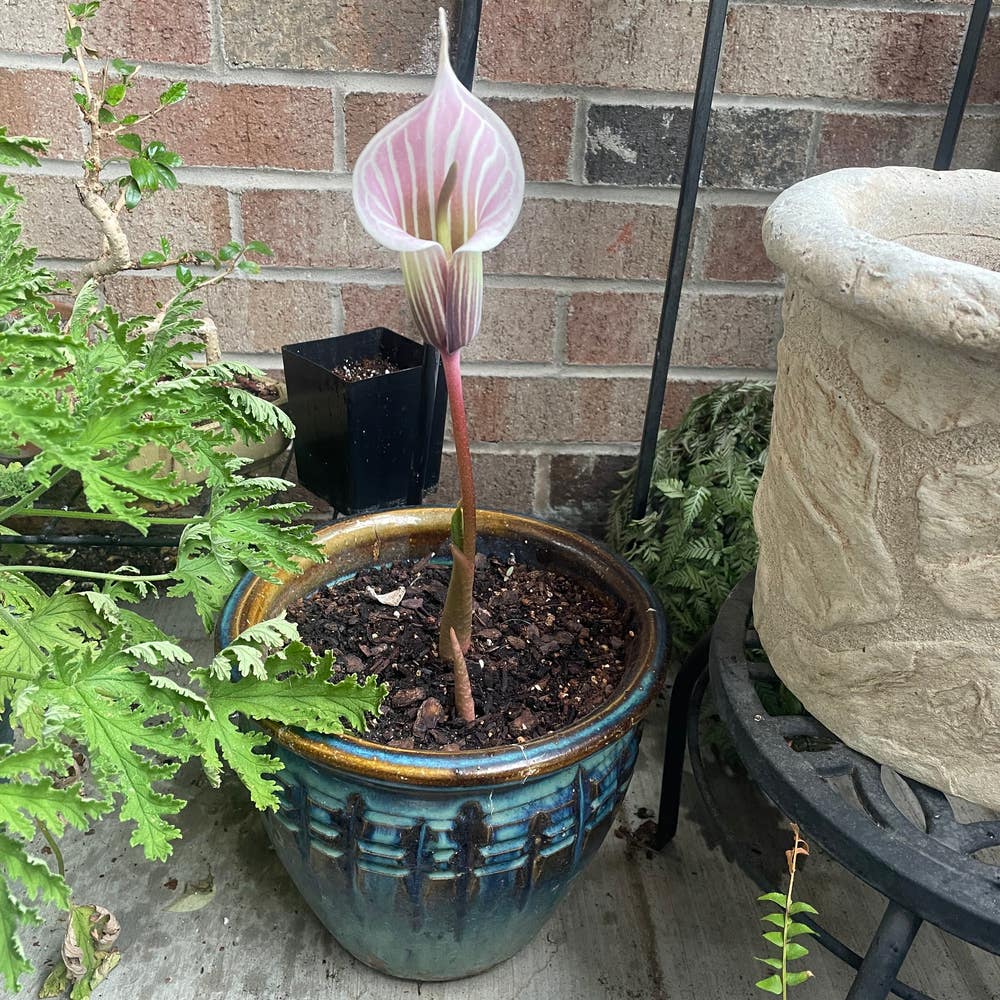
Arisaema ulugurense
By the Greg Editorial Team
Nov 26, 2024•4 min read
This article was created with the help of AI so we can cover more plants for you. May contain errors. See one? Report it here.
Unlock the beauty of Arisaema plants 🌱 by mastering their growth and care for a stunning garden transformation!
- 🌱 Arisaema heights range from 1 to 4 feet, depending on species and conditions.
- 🌿 Soil quality and climate significantly affect Arisaema growth and size.
- ✂️ Pruning promotes bushier growth and controls size for a balanced garden aesthetic.
Mature Height and Spread
Height of Species 🌱
Arisaema species vary significantly in height, generally ranging from 1 to 4 feet. For instance, Arisaema triphyllum typically reaches heights of 2 to 3 feet, while Arisaema consanguineum can grow impressively up to 4 feet.
Several factors influence these heights, including genetic predisposition and environmental conditions. A plant's genetics set the stage, but the environment—like soil quality and climate—plays a crucial role in determining its ultimate stature.
Spread and Dimensions 📏
When it comes to spread, Arisaema plants usually average between 1 to 2 feet, though this can differ by species. Their growth habit is characterized by a clumping nature, which can lead to natural spreading through rhizomes.
Understanding the importance of spacing in garden design is essential. Proper spacing allows each plant to thrive without competing for resources, ensuring a lush and vibrant display in your garden.
Growth Rate
🌱 Variability Among Species
The growth rate of Arisaema can vary significantly among species. Some are rapid growers, establishing themselves quickly in optimal conditions, while others may take several years to mature.
Several factors influence this growth rate. Soil fertility plays a crucial role, as nutrient-rich soil promotes faster development. Additionally, moisture availability and light conditions can either accelerate or hinder growth, making these elements vital for successful cultivation.
⏳ Time to Reach Full Size
On average, Arisaema takes about 2 to 5 years to reach full maturity, depending on the species and environmental conditions. This timeline emphasizes the importance of patience when cultivating these unique plants.
Understanding the growth rate and time to maturity can help gardeners set realistic expectations. With the right care, your Arisaema will thrive and eventually showcase its stunning beauty.
As you consider the growth rate, it's essential to think about the influence of growing conditions, which we'll explore next.
Size Variability
Differences Among Species 🌱
When it comes to Arisaema, size can vary dramatically among species. This variability means that some plants can be quite petite, while others tower impressively.
Dwarf varieties, for instance, typically reach around 1 foot tall, making them perfect for smaller gardens or container arrangements. On the other hand, giant varieties can exceed 4 feet in height, creating a striking focal point in any landscape.
This size difference has significant implications for gardeners. Choosing the right species based on desired size is crucial for achieving a balanced garden aesthetic. Whether you want a subtle accent or a bold statement, understanding these dimensions will guide your selection process effectively.
As you plan your garden, consider how the size of your chosen Arisaema will fit into your overall design. This thoughtful approach will ensure that your space feels harmonious and well-planned.
Next, let’s explore how various growing conditions can influence the size of your Arisaema plants.
Influence of Growing Conditions
🌱 Impact of Soil Type
Arisaema thrives in well-draining soil that is rich in organic matter. Poor soil conditions can stunt growth and lead to unhealthy plants.
☀️ Effects of Sunlight Exposure
These plants prefer partial to full shade, which mimics their natural habitat. Excessive sunlight can result in stunted growth and leaf burn.
💧 Watering Practices
Consistent moisture is crucial for optimal growth. However, overwatering can lead to root rot, a common issue that can quickly kill your Arisaema.
🌡️ Climate Considerations
Arisaema flourishes in cool, moist environments, making them ideal for temperate climates. Extreme temperatures, whether too hot or too cold, can adversely affect their growth and vitality.
Understanding these growing conditions is essential for cultivating healthy Arisaema. By providing the right environment, you can ensure your plants reach their full potential.
Controlling Size
✂️ Pruning Techniques
Pruning is essential for controlling the size of your Arisaema plants. It encourages bushier growth and prevents overcrowding, ensuring each plant has enough space to thrive.
To effectively manage size, consider cutting back spent foliage after dormancy. This practice not only tidies up your garden but also promotes healthier growth in the upcoming season.
🚧 Other Methods
In addition to pruning, you can use barriers to limit the spread of your Arisaema. This is particularly useful in smaller gardens where space is at a premium.
Selecting smaller species is another smart strategy for confined spaces. Dwarf varieties can provide the beauty of Arisaema without overwhelming your garden.
⏰ Timing and Frequency of Pruning
The best times to prune your Arisaema are late fall or early spring. This timing allows you to prepare the plants for their growing season while minimizing stress.
For most gardeners, pruning annually or biannually is sufficient, depending on the growth rate of your plants. Regular maintenance will keep your garden looking its best and your Arisaema in check.
As you consider these techniques, remember that controlling size not only enhances your garden's aesthetics but also supports the health of your plants. Next, let's explore how various growing conditions can influence the overall size of your Arisaema.
⚠️ Safety First
This content is for general information and may contain errors, omissions, or outdated details. It is not medical, veterinary advice, or an endorsement of therapeutic claims.
Always consult a qualified healthcare professional before using any plant as food, medicine, or supplement.
Never eat any plant (or feed one to pets) without confirming its identity with at least two trusted sources.
If you suspect poisoning, call Poison Control (800) 222-1222, the Pet Poison Helpline (800) 213-6680, or your local emergency service immediately.
Spotted an error? Please report it here.
Unlock the full potential of your Arisaema 🌱 with Greg's tailored care reminders and expert tips, ensuring they flourish in your garden for years to come!