Best Climate for Arisaema: Zones 6a-9b 🎩
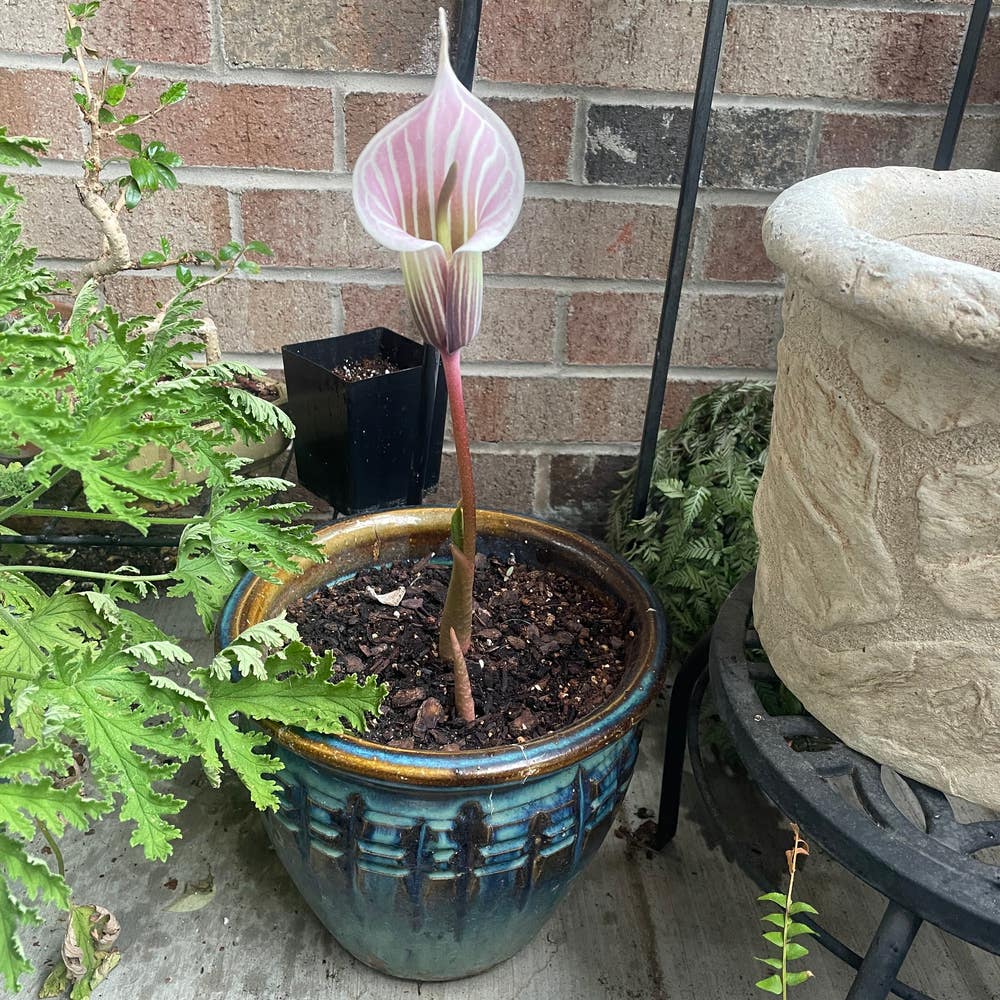
Arisaema ulugurense
By the Greg Editorial Team
Nov 26, 2024•6 min read
This article was created with the help of AI so we can cover more plants for you. May contain errors. See one? Report it here.
Master Arisaema's temperature tolerance 🌱 to ensure your garden flourishes, no matter the climate challenges!
- 🌱 Arisaema thrives in USDA zones 6a-9b, ideal for many U.S. regions.
- ❄️ Cold tolerance allows some Arisaema to survive temperatures as low as -20°F.
- 🌧️ Moist, shaded environments with rich soil are essential for optimal Arisaema growth.
Temperature Tolerance of Arisaema
❄️ Cold Tolerance Specifics
Arisaema species exhibit impressive cold tolerance, with some varieties able to withstand temperatures as low as -20°F (-29°C). This resilience allows them to thrive in regions with harsh winters, making them a great choice for gardeners in colder climates.
Frost tolerance is crucial for determining planting times. Understanding the first and last frost dates in your area can help you time your planting for optimal growth, ensuring your Arisaema has the best chance to flourish.
🔥 Heat Tolerance Specifics
While Arisaema can handle cold, it struggles with prolonged heat and drought. These plants prefer moderate temperatures, ideally between 60°F and 75°F (15°C to 24°C), and excessive heat can lead to wilting and stunted growth.
In hot conditions, Arisaema may exhibit signs of stress, such as yellowing leaves or reduced vigor. It's essential to monitor these indicators to maintain the health of your plants.
🌡️ Impact of Temperature Extremes on Growth
Extreme temperatures, whether hot or cold, can significantly impact the health and growth of Arisaema. Cold snaps can damage foliage, while excessive heat can lead to dehydration and poor growth.
Signs of temperature stress include drooping leaves and slowed growth rates. Recognizing these symptoms early can help you take action to protect your Arisaema from adverse conditions.
Understanding the temperature tolerance of Arisaema is vital for successful cultivation. With the right conditions, these unique plants can thrive beautifully in your garden. Next, we will explore the ideal regions for growing Arisaema, focusing on the best states within USDA hardiness zones 6a-9b.
Ideal Regions for Growing Arisaema
🌍 Examples of US States in Zones 6a-9b
Arisaema thrives in several states that fall within USDA hardiness zones 6a-9b. Notable examples include:
- North Carolina: Known for its humid subtropical climate, North Carolina offers warm summers and mild winters, creating an ideal environment for Arisaema.
- Tennessee: With its diverse topography, Tennessee provides a range of microclimates, from the cool mountains to the warmer valleys, perfect for growing these plants.
- California: The Mediterranean climate in parts of California, especially in coastal regions, supports Arisaema with its mild, wet winters and dry summers.
- Virginia: Virginia's temperate climate, characterized by moderate rainfall and seasonal temperature variations, is conducive to healthy Arisaema growth.
🌱 Factors Contributing to Ideal Growing Conditions
Arisaema prefers shaded, moist environments that mimic its natural habitat.
- Soil Type: Well-draining, rich soil is essential for these plants to thrive.
- Moisture Levels: Consistent moisture is crucial, as Arisaema does not tolerate drought well.
- Humidity: Higher humidity levels enhance growth, making regions with naturally humid conditions particularly favorable.
🗺️ Comparison of Different Regions Within the Suitable Zones
Even within zones 6a-9b, climate and conditions can vary significantly.
- Microclimates: For instance, coastal areas may have milder temperatures compared to inland regions.
- Elevation Changes: Higher elevations can lead to cooler temperatures, affecting the growth cycle of Arisaema.
Understanding these variations helps gardeners select the best locations for planting Arisaema, ensuring they flourish in their unique environments.
As we explore the nuances of microclimates, we’ll see how they can extend the growing range for Arisaema beyond typical hardiness zones.
Microclimates and Their Effects
🌱 How Microclimates Can Extend Growing Range for Arisaema
Microclimates are localized areas where the climate differs from the surrounding region. These unique conditions can enable Arisaema to flourish even outside its typical hardiness zones.
For instance, a sheltered garden nook with dappled sunlight and consistent moisture can create a perfect haven for Arisaema. This adaptability allows gardeners to cultivate these plants in less-than-ideal climates, expanding their growing potential.
🌍 Examples of Microclimates in Various Regions
In California, coastal areas often experience cooler temperatures and higher humidity levels, creating a microclimate that supports Arisaema growth. The proximity to the ocean moderates temperature extremes, making it an ideal environment.
Similarly, in North Carolina, the Appalachian foothills provide diverse microclimates. Here, elevation changes and forest cover contribute to cooler, moist conditions that favor Arisaema. These regions showcase how local geography can significantly influence temperature and moisture levels, enhancing the plant's viability.
Understanding these microclimates can empower gardeners to make informed decisions about where to plant Arisaema. By leveraging these unique conditions, you can create thriving environments for these beautiful plants, even in less favorable climates.
As we explore the broader landscape of suitable states for Arisaema, consider how these microclimates can play a pivotal role in your gardening success.
State-Level Suitability Analysis
List of US States Suitable for Arisaema (Zones 6a-9b) 🌱
Arisaema thrives in USDA hardiness zones 6a to 9b, making several states ideal for its growth. Here’s a comprehensive list of states where you can successfully cultivate this unique plant:
- North Carolina: Known for its humid subtropical climate, North Carolina offers warm summers and mild winters, perfect for Arisaema.
- Tennessee: With its diverse topography, Tennessee provides a range of microclimates, especially in the Appalachian region, that favor Arisaema.
- California: The coastal and mountainous areas of California create ideal conditions with ample moisture and shade.
- Virginia: Virginia’s temperate climate, combined with rich soil, supports healthy Arisaema growth.
These states not only fall within the right hardiness zones but also offer specific regions that enhance the growing experience for Arisaema.
List of US States Unsuitable for Arisaema and Reasons Why 🚫
While many states are suitable, several fall outside zones 6a-9b, making them less than ideal for Arisaema. Here’s a look at those states and the climatic challenges they present:
- Florida: The extreme heat and humidity can stress Arisaema, leading to poor growth.
- Alaska: Prolonged frost and short growing seasons hinder Arisaema’s development.
- Texas: Many areas experience excessive heat and drought, which are detrimental to this plant.
- North Dakota: Harsh winters and extreme cold temperatures are unsuitable for Arisaema.
These climatic challenges, such as extreme heat, prolonged frost, or drought conditions, create environments where Arisaema struggles to survive.
Discussion of Specific Challenges in Unsuitable States 🤔
Certain states pose significant challenges for growing Arisaema due to their unique climates. For instance, in Florida, the high humidity coupled with intense heat can lead to fungal diseases, making it hard for Arisaema to thrive.
In Alaska, the short growing season limits the time for the plant to establish itself.
However, gardeners in these regions can consider adaptations. For example, using shade cloths in hotter areas can help mitigate heat stress. In colder climates, planting in sheltered spots or using raised beds can improve drainage and warmth.
By understanding these challenges and implementing creative solutions, even gardeners in less suitable states can enjoy the beauty of Arisaema.
As we explore the next section, we’ll delve into microclimates and how they can extend the growing range for Arisaema, offering even more opportunities for success.
⚠️ Safety First
This content is for general information and may contain errors, omissions, or outdated details. It is not medical, veterinary advice, or an endorsement of therapeutic claims.
Always consult a qualified healthcare professional before using any plant as food, medicine, or supplement.
Never eat any plant (or feed one to pets) without confirming its identity with at least two trusted sources.
If you suspect poisoning, call Poison Control (800) 222-1222, the Pet Poison Helpline (800) 213-6680, or your local emergency service immediately.
Spotted an error? Please report it here.
Cultivating thriving Arisaema 🌱 is easy when you understand their climate needs, and with Greg's tailored care reminders, you can create the perfect environment for your plants to flourish!