Best Tips for Droopy Leaves on Arisaema 😢
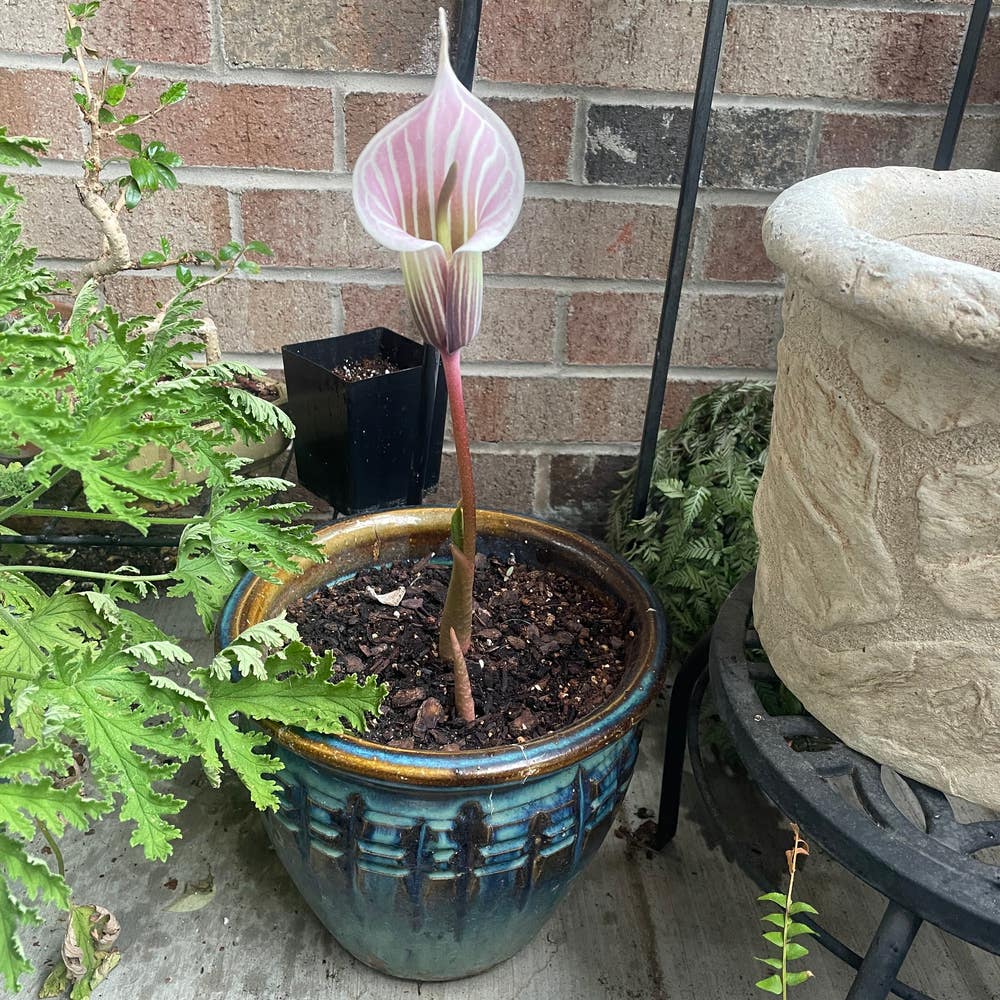
Arisaema ulugurense
By the Greg Editorial Team
Nov 26, 2024•7 min read
This article was created with the help of AI so we can cover more plants for you. May contain errors. See one? Report it here.
Transform droopy Arisaema leaves 🌱 into vibrant greenery with these essential care tips for thriving plants!
- 💧 Overwatering and underwatering both cause droopy leaves; adjust watering practices accordingly.
- 🌱 Nutrient deficiencies lead to droopiness; use balanced fertilizers for healthy growth.
- 🐛 Pests and diseases can harm Arisaema; monitor regularly to prevent droopy leaves.
Causes of Droopy Leaves
💧 Overwatering and Root Rot
Overwatering is a common culprit behind droopy leaves. Symptoms include yellowing leaves and mushy roots, indicating that the plant is struggling.
Root rot occurs when fungal growth thrives in waterlogged soil. To prevent this, ensure proper drainage and avoid any standing water around your Arisaema.
🌵 Underwatering and Drought Stress
On the flip side, underwatering can also lead to droopy leaves. Signs include wilting leaves and dry soil, which signal that your plant is thirsty.
Drought stress reduces leaf turgor and overall plant health. Regularly check the soil, especially during dry seasons, to maintain adequate moisture levels.
🥦 Nutrient Deficiencies
Nutrient deficiencies can significantly impact your plant's vitality. Common deficiencies include nitrogen, potassium, and magnesium, which can lead to pale leaves and stunted growth.
To combat this, use a balanced fertilizer to replenish essential nutrients and support healthy growth.
🌪️ Environmental Stress
Environmental factors play a crucial role in the health of your Arisaema. The ideal temperature range is between 15°C to 25°C (59°F to 77°F), while high humidity levels of 50-70% are preferred.
Signs of environmental stress include leaf curling and droopiness. Monitor these conditions closely to ensure your plant thrives.
🐜 Pest Infestations
🐞 Aphids
Aphids are small, green or black insects that can wreak havoc on your plants. They suck sap from leaves, leading to weakened plants and droopy leaves.
Control methods include using insecticidal soap or neem oil to keep these pests at bay.
🕷️ Spider Mites
Spider mites are another threat, identifiable by fine webbing and stippled leaf surfaces. They cause leaf discoloration and droopiness, indicating a serious infestation.
To treat spider mites, increase humidity around the plant and consider using miticides for effective control.
🍄 Fungal Infections
Fungal infections like powdery mildew and leaf spot can also cause droopy leaves. Symptoms include a white powdery coating or dark spots on leaves.
Prevent these issues by ensuring good air circulation and practicing proper watering techniques. This will help keep your Arisaema healthy and vibrant.
Understanding these causes is essential for maintaining the health of your Arisaema. With the right knowledge, you can take proactive steps to address droopy leaves and ensure your plant thrives. Next, let's explore how to diagnose droopy leaves effectively.
Diagnosing Droopy Leaves
🌿 Visual Signs of Droopiness
Droopy leaves can manifest as wilting, curling, or a limp appearance. In contrast, healthy leaves are firm and stand upright, signaling that your Arisaema is thriving.
💧 Assessing Soil Moisture Levels
To check soil moisture, use the finger test or a moisture meter. Ideally, the soil should be consistently moist but not soggy, ensuring your plant receives the right amount of water.
🐛 Checking for Pests and Diseases
Inspect your plant by looking under the leaves and at the stem bases for any signs of pests. Damage indicators include holes in leaves and sticky residue, which can signal an infestation that needs immediate attention.
🌡️ Evaluating Environmental Conditions
Use a thermometer to check that the temperature remains within the optimal range for your Arisaema. Additionally, a hygrometer can help you assess humidity levels, ensuring they stay within the ideal range for healthy growth.
By thoroughly diagnosing these aspects, you can effectively address the causes of droopy leaves and promote a healthier plant. Next, we’ll explore solutions to revive your Arisaema and restore its vitality.
Solutions for Droopy Leaves
🌊 Adjusting Watering Practices
To revive droopy leaves, start by adjusting your watering schedule. Water your Arisaema when the top inch of soil feels dry to the touch.
Deep watering is key; it encourages roots to grow deeper and stronger. This method helps the plant access moisture more effectively.
🕳️ Improving Soil Drainage
Next, focus on improving soil drainage. Incorporate perlite or sand into your soil mix to enhance drainage capabilities.
If your Arisaema is in a container, ensure it has adequate drainage holes. This prevents water from pooling at the bottom, which can lead to root rot.
🌱 Fertilizing for Nutrient Balance
Fertilizing is another essential step for addressing droopy leaves. Use a balanced NPK fertilizer, such as a 10-10-10 mix, to provide the necessary nutrients.
Apply this fertilizer every 4-6 weeks during the growing season. This will help replenish any nutrient deficiencies that may be contributing to droopiness.
💧 Increasing Humidity Levels
Humidity plays a significant role in the health of your Arisaema. To boost humidity, consider using a pebble tray filled with water or a humidifier in the vicinity.
Aim to maintain humidity levels between 50-70%. This range is ideal for promoting healthy leaf growth and preventing droopiness.
🐛 Treating Pests and Diseases
Lastly, keep an eye out for pests and diseases that can affect your plant's health. Implement integrated pest management strategies that combine both chemical and organic treatments.
Regular monitoring is crucial; check your plants weekly for early signs of issues. Catching problems early can make all the difference in maintaining healthy, upright leaves.
By following these solutions, you can effectively address droopy leaves on your Arisaema. With the right care, your plant will thrive and display its natural beauty once again.
Preventing Droopy Leaves
💧 Best Practices for Watering
To keep your Arisaema thriving, water deeply and less frequently. This approach encourages strong root development and helps prevent overwatering.
Adjust your watering schedule seasonally; increase frequency during hot months when the soil dries out faster. Regularly checking soil moisture will guide you in maintaining the right balance.
🌱 Ideal Soil Composition
A well-draining soil mix rich in organic matter is essential for healthy Arisaema. Aim for a blend that allows excess water to escape while retaining some moisture.
Maintaining a soil pH between 6.0 and 7.0 promotes optimal growth. Testing your soil periodically can help you achieve this ideal condition.
☀️ Optimal Light Conditions
Arisaema prefers partial to full shade, making it perfect for understory planting in woodland gardens. Avoid direct sunlight, as it can lead to leaf scorch and droopiness.
Position your plants where they receive filtered light, ensuring they thrive without the stress of harsh sun exposure.
🍂 Seasonal Care Tips
In spring, fertilize your Arisaema and check for pests as growth begins. This proactive approach sets the stage for a healthy growing season.
As fall approaches, reduce watering to prepare your plant for dormancy. This adjustment helps prevent root rot and supports overall plant health.
🐛 Regular Monitoring for Pests
Conduct weekly inspections during the growing season to catch any pest issues early. Look for signs of damage, such as holes in leaves or sticky residue.
Addressing problems promptly can prevent droopiness and keep your Arisaema looking its best. Regular monitoring is key to maintaining a healthy plant.
By implementing these preventive measures, you can enjoy vibrant, healthy Arisaema without the worry of droopy leaves. Next, let’s explore how to care for your plant post-recovery to ensure long-term health and vitality.
Post-Recovery Care
Signs of Recovery 🌱
After addressing the droopiness in your Arisaema, look for signs of recovery. Healthy plants will display upright leaves and new growth within a few weeks of treatment.
Continued Care After Droopiness 🛠️
Ongoing care is crucial for your plant's revival. Adjust your watering and fertilization based on how the plant responds, ensuring it receives the right amount of moisture and nutrients.
Monitoring Environmental Conditions 🌡️
Keep an eye on environmental factors like humidity and temperature. Stability in these conditions will support your plant's recovery and overall health.
Long-Term Health Maintenance Strategies 🔍
To maintain long-term health, conduct regular soil testing. Checking nutrient levels and pH annually helps you understand your plant's needs better.
Seasonal Adjustments 🍂
Be prepared to adapt your care practices with the changing seasons. Adjusting your approach based on seasonal changes ensures your Arisaema thrives year-round.
With these post-recovery care tips, your Arisaema can regain its vigor and beauty. Next, let’s explore how to prevent droopy leaves from occurring in the first place.
⚠️ Safety First
This content is for general information and may contain errors, omissions, or outdated details. It is not medical, veterinary advice, or an endorsement of therapeutic claims.
Always consult a qualified healthcare professional before using any plant as food, medicine, or supplement.
Never eat any plant (or feed one to pets) without confirming its identity with at least two trusted sources.
If you suspect poisoning, call Poison Control (800) 222-1222, the Pet Poison Helpline (800) 213-6680, or your local emergency service immediately.
Spotted an error? Please report it here.
Revive your Arisaema's vibrant health 🌿 by using Greg's tailored care reminders to master watering, nutrients, and environmental conditions for a flourishing plant!