🌺 9 Advantages of Having a Arisaema
Arisaema ulugurense
By the Greg Editorial Team
Nov 26, 2024•5 min read
This article was created with the help of AI so we can cover more plants for you. May contain errors. See one? Report it here.
Elevate your garden's beauty 🌺 while supporting wildlife with the captivating Arisaema plants that thrive year-round!
- 🌼 Arisaema's unique hooded flowers add striking visual appeal to any garden.
- 🐝 Attract pollinators and support biodiversity by incorporating Arisaema into your landscape.
- 🌱 Low-maintenance and resilient, Arisaema thrives in various conditions with minimal care.
Unique Aesthetic Appeal
Striking Visuals 🌺
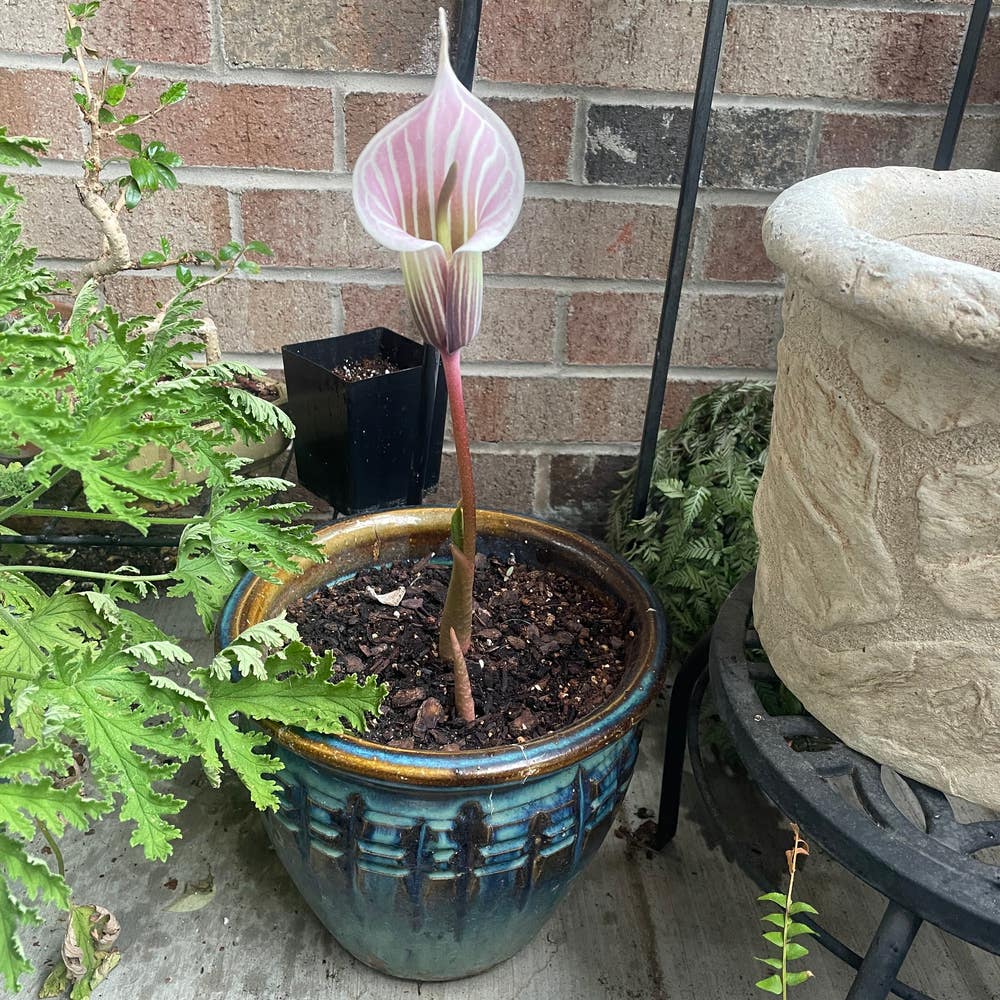
Arisaema plants are known for their unique hooded flowers, which boast intriguing shapes that can captivate any garden enthusiast. These flowers come in various colors, from deep purples to vibrant greens, adding a striking visual element that enhances the overall aesthetics of your garden.
The diverse species of Arisaema offer a palette of colors and forms, ensuring that there's something for every garden style. Whether you prefer the boldness of Arisaema triphyllum or the subtler tones of Arisaema candidissimum, these plants can serve as focal points or complementary elements in your landscape design.
Seasonal Interest 🍂
One of the most appealing aspects of Arisaema is its ability to provide year-round visual interest. As the seasons change, so does the foliage, transforming the garden's appearance with each passing month.
In spring, the emergence of new leaves and flowers brings a fresh vibrancy. By summer, the lush greenery creates a rich backdrop, while autumn showcases stunning foliage changes. Even in winter, the skeletal remains of the plants can add a unique texture to the landscape, ensuring that your garden remains visually engaging throughout the year.
With their striking visuals and seasonal interest, Arisaema plants are a fantastic choice for anyone looking to enhance their garden's aesthetic appeal. As you explore the next section, consider how these plants also attract wildlife, contributing to a thriving ecosystem in your outdoor space.
Attracting Wildlife
Pollinator-Friendly 🐝
Arisaema plants are a magnet for bees and other pollinators. Their unique hooded flowers not only provide a striking visual but also serve as a reliable food source, attracting these essential creatures to your garden.
Pollinators play a crucial role in maintaining healthy ecosystems. By planting Arisaema, you contribute to the well-being of local bee populations and enhance the overall biodiversity of your garden.
Wildlife Habitat 🦉
Beyond attracting pollinators, Arisaema also offers shelter and food for various wildlife species. The dense foliage provides a safe haven for small creatures, while the plant's structure can support insects and other wildlife.
Creating a habitat with Arisaema encourages a thriving ecosystem. This not only enriches your garden but also fosters a connection with nature, making your outdoor space a vibrant sanctuary for wildlife.
As you consider the benefits of Arisaema, think about how these plants can transform your garden into a lively, biodiverse environment. Next, we’ll explore how Arisaema enhances biodiversity through native plant benefits and companion planting.
Enhancing Biodiversity
🌱 Native Plant Benefits
Incorporating native plants like Arisaema into your garden is crucial for supporting local biodiversity. These plants are well-adapted to the local climate and soil, providing essential habitats for native wildlife.
Native plants also promote healthier ecosystems. They attract beneficial insects and pollinators, which are vital for the reproduction of many plants, including crops.
🌿 Companion Planting
Companion planting with Arisaema can enhance your garden's health and aesthetics. Consider pairing Arisaema with ferns, which thrive in similar shaded environments and add lush greenery.
Other great companions include hostas and astilbes. These plants not only complement Arisaema's unique look but also create a vibrant, diverse garden that supports a variety of wildlife.
By choosing the right companions, you can create a thriving ecosystem that benefits both your garden and the local environment. This approach fosters a sense of community among plants, making your garden a sanctuary for nature.
As you explore the benefits of biodiversity, you'll find that every plant plays a role in the larger ecosystem. This interconnectedness is what makes gardening so rewarding and impactful.
Low Maintenance and Resilience
Care Requirements 🌱
Arisaema is a dream for gardeners seeking low maintenance plants. Once established, these hardy perennials require minimal care, thriving in a variety of soil types and light conditions.
They prefer partial to full shade, making them ideal for woodland gardens. Watering is only necessary during dry spells, allowing you to enjoy their beauty without constant upkeep.
Longevity 🌼
One of the standout features of Arisaema is its perennial nature. These plants can live for many years, returning each spring to grace your garden with their unique flowers and foliage.
Their resilience means they can withstand various environmental conditions, ensuring a long-lasting presence in your landscape. With Arisaema, you invest in a plant that not only beautifies your space but also provides enduring enjoyment year after year.
As we explore the next section, let's delve into the cultural significance of Arisaema and its fascinating role in folklore and art.
Cultural Significance
Folklore and Myths 🌌
Arisaema, often referred to as the "Jack-in-the-Pulpit," carries a rich tapestry of myths across various cultures. In some Native American traditions, it is seen as a symbol of protection and healing, believed to ward off negative energies.
In Asian cultures, particularly in Japan, Arisaema is associated with good fortune and prosperity. These stories add a layer of mystique to this fascinating plant, making it not just a garden feature but a bearer of cultural narratives.
Symbolism in Art 🎨
The unique shape and striking appearance of Arisaema have inspired artists and writers alike. In literature, it often symbolizes mystery and the allure of the unknown, reflecting its unusual form and habitat.
Artists have depicted Arisaema in various mediums, celebrating its beauty and complexity. From botanical illustrations to modern art, its presence in creative works highlights its significance beyond the garden, making it a subject of admiration and intrigue.
As we explore the cultural significance of Arisaema, we see how it transcends mere aesthetics, weaving itself into the fabric of human expression and storytelling. This connection to culture enriches our appreciation for this remarkable plant, inviting us to consider its role in our lives and landscapes.
Next, we will delve into how Arisaema enhances biodiversity, showcasing its importance in supporting local ecosystems.
⚠️ Safety First
This content is for general information and may contain errors, omissions, or outdated details. It is not medical, veterinary advice, or an endorsement of therapeutic claims.
Always consult a qualified healthcare professional before using any plant as food, medicine, or supplement.
Never eat any plant (or feed one to pets) without confirming its identity with at least two trusted sources.
If you suspect poisoning, call Poison Control (800) 222-1222, the Pet Poison Helpline (800) 213-6680, or your local emergency service immediately.
Spotted an error? Please report it here.
Transform your garden into a vibrant sanctuary 🌿 with Arisaema's stunning beauty and ecological benefits, and let Greg help you succeed by providing personalized care reminders for these low-maintenance wonders!