Arisaema is Not an Invasive Plant ✅
Arisaema ulugurense
By the Greg Editorial Team
Nov 26, 2024•5 min read
This article was created with the help of AI so we can cover more plants for you. May contain errors. See one? Report it here.
Learn how Arisaema enhances gardens and ecosystems 🌱 without being invasive, promoting biodiversity and beauty! 🌼
- 🌱 Arisaema is not invasive; it grows slowly and spreads minimally in gardens.
- 🦋 Supports biodiversity by providing habitat and food for wildlife, enhancing local ecosystems.
- 🌳 Thrives in shaded, moist areas, making it ideal for diverse garden designs.
Plant Classification
Definition of Invasive Species 🌱
Invasive species are plants that exhibit certain characteristics making them problematic in new environments. They typically grow and spread rapidly, displacing native species and negatively impacting local ecosystems.
These plants can dominate landscapes, outcompeting local flora for resources. This disruption can lead to a decline in biodiversity, altering habitats and the balance of local ecosystems.
Why Arisaema is Not Invasive 🌼
Arisaema, commonly known as Jack-in-the-pulpit, stands apart from invasive plants due to its slow growth rate and limited spread potential. Unlike aggressive invaders, Arisaema prefers specific natural habitats that restrict its ability to grow uncontrollably.
This plant thrives in shaded, moist environments, which naturally limits its expansion. Rather than harming local ecosystems, Arisaema contributes positively by providing habitat and food for various wildlife, enhancing biodiversity in its surroundings.
In summary, Arisaema's growth habits and ecological role highlight its importance as a non-invasive plant. Understanding these characteristics can help gardeners appreciate its value in creating balanced and thriving garden ecosystems.
Growth Habits
Typical Growth Patterns 🌱
Arisaema plants exhibit fascinating growth stages that begin with initial sprouting in spring. As the season progresses, you'll notice the development of lush leaves and the emergence of their unique inflorescence.
These plants typically reach a height of 1 to 3 feet, depending on the specific species. This moderate growth makes them an appealing choice for various garden settings.
Natural Limits to Growth 🚧
Arisaema has a strong preference for shaded, moist environments, which naturally limits its expansion. This habitat requirement helps maintain a balance in garden ecosystems.
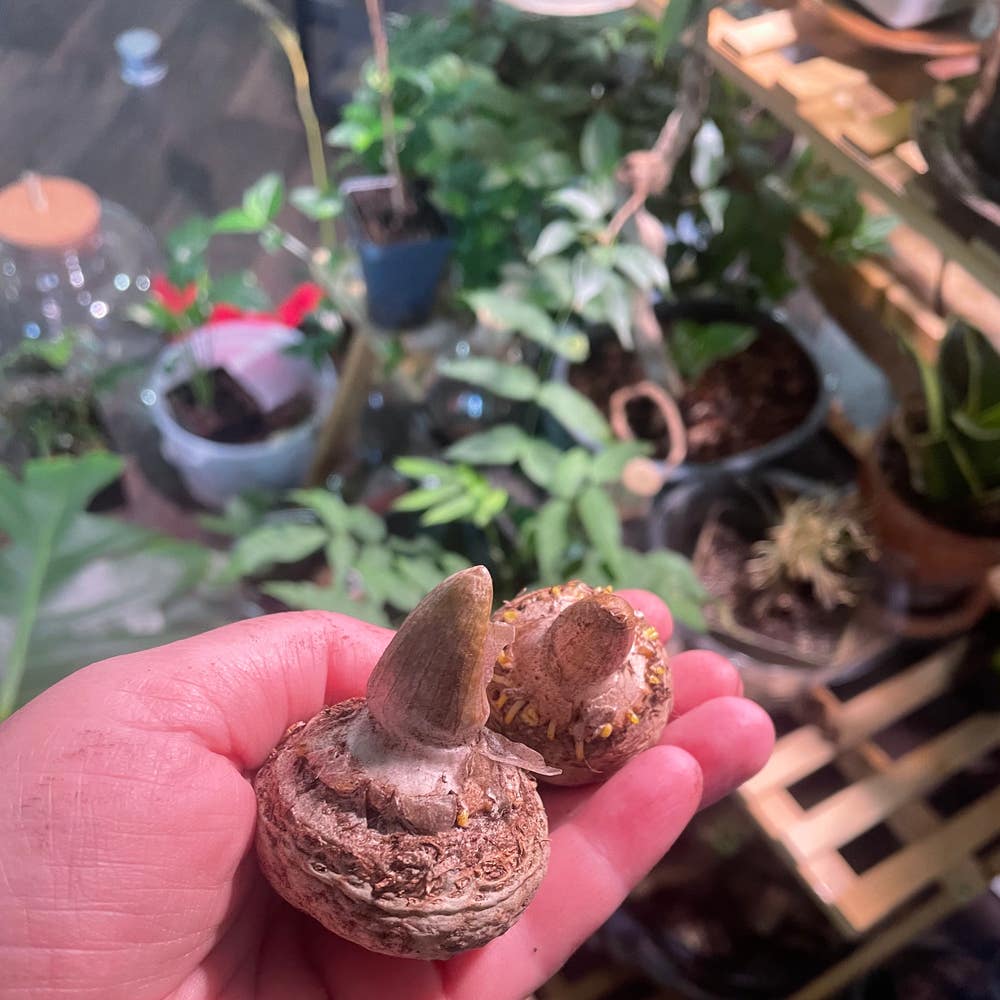
While they do spread through rhizomes, this process occurs at a slow rate. Consequently, Arisaema populations remain manageable, making them easy to incorporate into your garden without overwhelming other plants.
In summary, understanding the growth habits of Arisaema can help you appreciate its role in your garden. Next, we'll explore the ecological benefits these plants provide, enhancing both biodiversity and wildlife interactions.
Ecological Role
Benefits in Gardens 🌼
Arisaema plants play a vital role in garden ecosystems by providing essential habitat and food for various pollinators and wildlife. Their presence enhances biodiversity, creating a thriving environment that supports a wide range of species.
Positive Interactions with Wildlife 🐝
These plants are particularly attractive to beneficial insects, such as bees and butterflies, which are crucial for pollination. Additionally, Arisaema serves as a food source for small mammals and birds, further integrating them into the local food web.
The positive ecological contributions of Arisaema make it a valuable addition to any garden. By fostering a rich habitat, these plants not only beautify spaces but also promote a healthier ecosystem.
As we explore how to incorporate Arisaema into garden designs, it’s essential to consider their unique growth habits and environmental needs.
Garden Management
Incorporating into Garden Designs 🌿
When planning your garden, consider planting Arisaema in shaded areas with moist soil. These conditions mimic its natural habitat, allowing it to thrive while adding a unique touch to your landscape.
Companion planting can enhance the beauty and health of your garden. Pair Arisaema with ferns and other shade-loving plants to create a lush, vibrant environment that supports biodiversity.
Controlling Growth for Aesthetic Purposes 🎨
To maintain the aesthetic appeal of your garden, regular monitoring of Arisaema's growth is essential. This proactive approach helps you manage its spread effectively.
Selective removal of excess rhizomes can keep Arisaema in check. This technique not only controls its growth but also ensures that your garden remains visually appealing and well-organized.
By thoughtfully incorporating Arisaema into your garden and managing its growth, you can create a stunning, harmonious space that celebrates nature's beauty. Next, let's explore the ecological role of Arisaema and its benefits in garden settings.
Comparison to Other Plants
🌱 Comparison with Similar Non-Invasive Plants
When considering non-invasive plants for shaded environments, several options stand out alongside Arisaema. Plants like Trillium, Polygonatum (Solomon's Seal), and Asarum (Wild Ginger) thrive in similar conditions, offering unique aesthetics and ecological benefits.
These plants typically exhibit slower growth rates and limited spread, much like Arisaema. However, they differ in their specific growth habits; for instance, Trillium produces striking flowers early in the spring, while Polygonatum features arching stems that create a lush, layered look.
🌼 Unique Qualities of Arisaema
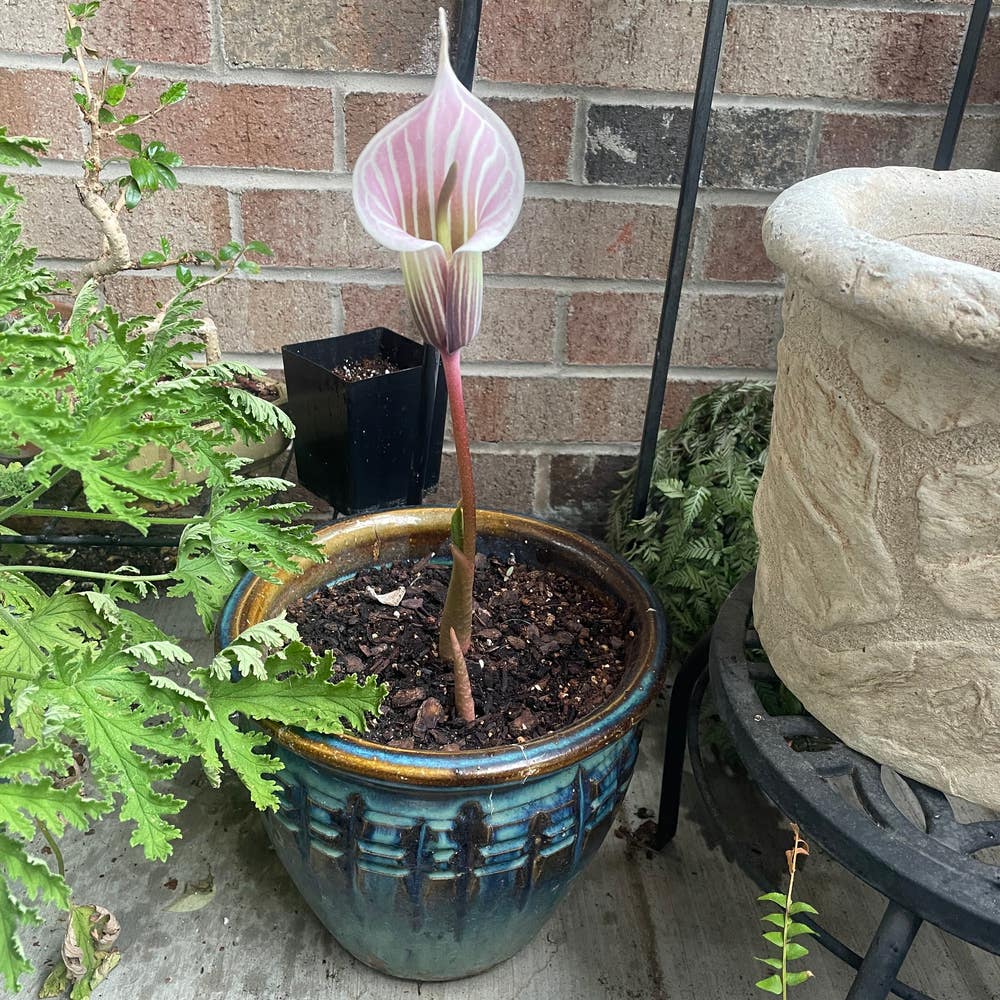
Arisaema is particularly notable for its distinctive inflorescence, which resembles a hooded structure, often referred to as a "jack-in-the-pulpit." This unique appearance not only adds visual interest but also attracts various pollinators, enhancing the garden's biodiversity.
Additionally, Arisaema has adapted beautifully to shaded woodland environments. Its ability to thrive in moist, low-light conditions sets it apart from many other plants, making it a valuable addition to any garden seeking to promote ecological health and diversity.
As we explore the ecological role of Arisaema, it becomes clear how this plant contributes positively to its surroundings.
Legal and Environmental Considerations
📜 Relevant Classifications and Guidelines
When considering planting Arisaema, it's essential to be aware of local regulations. Some regions may have specific guidelines regarding the cultivation of certain plant species, including Arisaema, to ensure they do not disrupt local ecosystems.
Always check with local gardening clubs or environmental agencies for the most accurate information. This proactive approach helps maintain ecological balance while enjoying the beauty of these unique plants.
🌱 Arisaema in Sustainable Gardening Practices
Arisaema plays a vital role in promoting biodiversity within garden ecosystems. By providing habitat and food sources for various wildlife, it supports a healthy balance in nature.
Incorporating Arisaema into your garden encourages native plant gardening, which enhances ecological health. This practice not only beautifies your space but also contributes positively to the environment, making your garden a sanctuary for both plants and animals.
By choosing Arisaema, you're not just planting a flower; you're fostering a thriving ecosystem that benefits everyone.
⚠️ Safety First
This content is for general information and may contain errors, omissions, or outdated details. It is not medical, veterinary advice, or an endorsement of therapeutic claims.
Always consult a qualified healthcare professional before using any plant as food, medicine, or supplement.
Never eat any plant (or feed one to pets) without confirming its identity with at least two trusted sources.
If you suspect poisoning, call Poison Control (800) 222-1222, the Pet Poison Helpline (800) 213-6680, or your local emergency service immediately.
Spotted an error? Please report it here.
Enhance your garden's biodiversity 🌱 with Arisaema, and let Greg guide you with tailored care tips to ensure this unique plant thrives in its perfect shady spot!